The concept of Composable MicroVM Pods brings Firecracker microVMs directly into Kubernetes to provide stronger multi‑tenant isolation without abandoning Kubernetes primitives. In this practical guide, “Composable MicroVM Pods” refers to pods whose containers run inside lightweight, fast-booting microVMs (like Firecracker) orchestrated alongside Kubernetes scheduling and networking, offering a middle ground between containers and full VMs.
Why microVM-backed pods?
Traditional containers share the host kernel, which is efficient but increases risk in multi‑tenant clusters. Firecracker microVMs are minimal VMMs that start in milliseconds, present strong kernel isolation, and keep resource overhead low. Composing microVMs with Kubernetes preserves familiar workflows while raising the isolation bar for untrusted workloads, third‑party code, and regulated environments.
Key benefits
- Stronger security boundary than containers: separate kernel per microVM.
- Fast startup and low overhead compared to full VMs—close to container speeds.
- Compatibility with container images and many cloud-native tools when paired with the right runtime.
Architecture overview
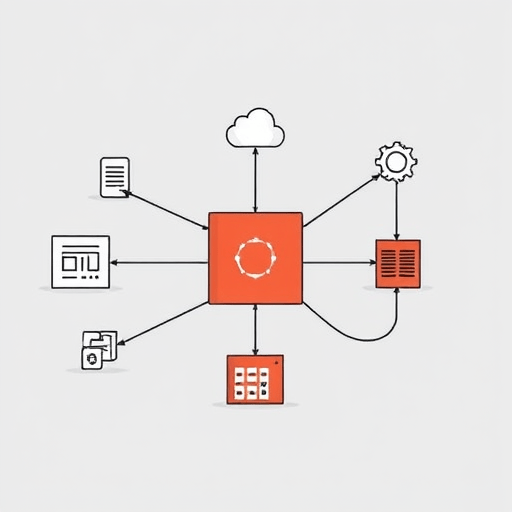
A Composable MicroVM Pod typically has three layers: the Kubernetes control plane and scheduler, an operator or webhook that handles microVM lifecycle, and a host-side microVM runtime that executes Firecracker instances and provides networking and storage plumbing.
Core components
- Pod spec extension (CRD or annotations) to request microVM-backed pods.
- An operator that watches those pod specs, validates requests, and creates corresponding host resources.
- A microVM runtime (e.g., Firecracker + shim) that boots microVMs, injects container images, and exposes standard stdin/stdout for Kubernetes logging.
- Networking and CNI integration so microVMs appear as pod endpoints (multus, SR-IOV, virtual interfaces).
Practical deployment pattern
Deploying Composable MicroVM Pods in an existing cluster follows an operator-led pattern that minimizes control-plane changes.
Step-by-step
- Install a Firecracker runtime on worker nodes (systemd service or containerized runtime) with appropriate kernel modules and KVM access.
- Deploy a CRD (e.g., MicroVMPod) or reuse annotations in PodTemplates to indicate microVM requirements (vCPU, memory, image).
- Install the MicroVM operator that watches the CRD or annotated pods. The operator validates quotas, selects nodes, and writes a host-level instruction to start a microVM.
- When the operator schedules a microVM, the runtime pulls container images (or a VM image with injected rootfs), boots Firecracker with minimal device emulation, configures networking via CNI, and connects container I/O to the Kubernetes Pod API.
- Handle lifecycle events: graceful termination maps to ACPI or shutdown signals; restarts can be morphing (reboot microVM) or recreating from snapshot for speed.
Operator patterns and responsibilities
A robust operator is the brain of this integration. Its primary responsibilities include mapping pod requests to node capabilities, enforcing tenancy and quotas, and coordinating state.
Recommended operator features
- Admission control: Reject or mutate pods that request unsupported microVM configurations.
- Node capability discovery: Label nodes that can run Firecracker and advertise available accelerators (SR-IOV, Nitro-like features).
- Snapshotting and image management: Maintain a cache of rootfs snapshots to accelerate startup.
- Secure metadata handling: Inject secrets and credentials without exposing host-level artifacts.
Tradeoffs and design considerations
Integrating microVMs adds complexity and tradeoffs; understanding them is essential for a production decision.
Pros
- Significantly improved isolation for untrusted workloads.
- Reduced blast radius: kernel exploits in one microVM don’t impact others.
- Compliance and audit benefits for regulated customers.
Cons
- Increased operator complexity: lifecycle, networking, and scheduling are harder.
- Resource accounting: kubelet-level metrics may need augmentation to reflect microVM consumption.
- Density vs. overhead: while lightweight, microVMs still consume kernel and KVM resources that can reduce absolute pod density compared to pure containers.
Security and isolation best practices
Secure-by-default settings and least-privilege operators make microVM-backed pods valuable for multi‑tenant clusters.
- Run the microVM runtime with constrained privileges and fine-grained SELinux/AppArmor profiles.
- Use hardware virtualization features (Intel VT-x/AMD-V) and disable unnecessary device emulation in Firecracker.
- Isolate networking with dedicated CNI networks per tenant or namespace; consider eBPF/XDP for L7 filtering and telemetry.
- Sign and verify images/rootfs and enable encrypted rootfs support when available.
Performance, density, and observability
Measure before and after—understand the practical impact on cluster density and latency.
Tips
- Use snapshot restore to boot microVMs in tens of milliseconds and regain container-like startup times.
- Monitor KVM resources: track /dev/kvm usage, memory balloon metrics, and CPU steal on hosts.
- Integrate microVM telemetry into Prometheus: expose runtime, boot time, uptime, and per‑microVM network stats.
When to choose microVM-backed pods
Adopt Composable MicroVM Pods when stronger tenant isolation is required but full VM orchestration would be too heavyweight. Use cases include multi‑tenant PaaS, untrusted CI runners, FaaS with third‑party code, or clusters that must meet strict regulatory isolation standards.
Checklist for a minimal pilot
- Prepare a small test node pool with KVM and Firecracker runtime installed.
- Deploy the MicroVM CRD and operator in a non-critical namespace.
- Run sample workloads comparing pure container pods vs microVM-backed pods for startup, throughput, and isolation tests.
- Iterate on network and logging plumbing so microVMs behave like first-class pods to the rest of the cluster.
Composable MicroVM Pods bridge the gap between containers and VMs: they deliver meaningful isolation gains with manageable operational changes. When designed around a careful operator pattern and strong observability, they unlock secure multi‑tenant Kubernetes at scale.
Conclusion: Start with a small pilot, measure density and security improvements, then expand microVM-backed pods to the namespaces that most need stronger isolation.
Ready to pilot Composable MicroVM Pods in your cluster? Reach out to your platform team or start a PoC with a single Firecracker-enabled node pool today.