Circular Economy Lodges: Tiny Eco‑Resorts Built from Reclaimed Materials
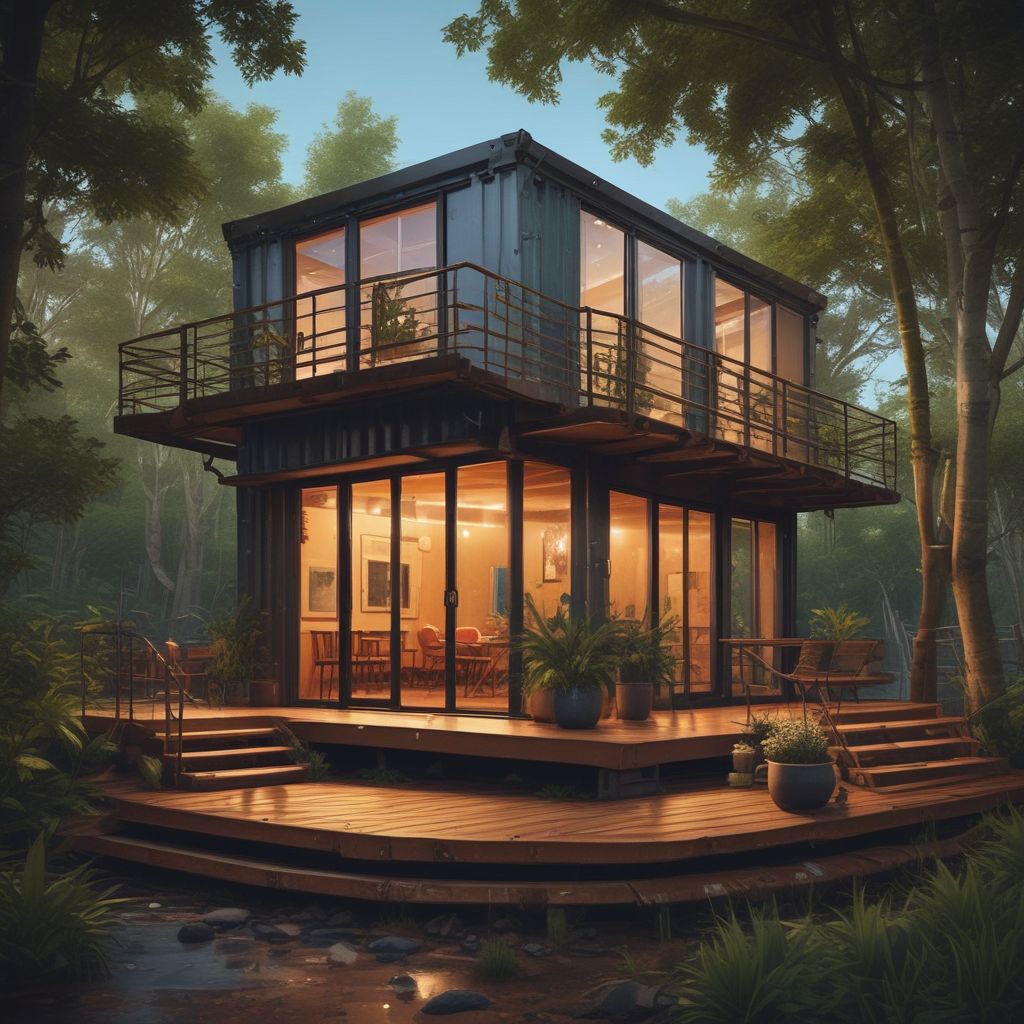
In a world increasingly focused on reducing waste and conserving resources, circular economy lodges have emerged as a beacon of sustainable hospitality. These micro‑accommodations, often housed in repurposed shipping containers, upcycled timber, and recycled textiles, reimagine what it means to travel responsibly. By turning discarded materials into luxurious, eco‑friendly spaces, circular economy lodges are redefining the very notion of a “stay” and proving that small footprints can leave huge impacts.
What Makes a Circular Economy Lodge?
At its core, a circular economy lodge is a deliberate application of the circular economy principles—designing for durability, maximizing reuse, and minimizing waste—within the hospitality sector. Key characteristics include:
- Reclaimed Foundations: Shipping containers, old warehouses, and decommissioned industrial structures serve as the skeletons of these lodges.
- Upcycled Interiors: Furniture, textiles, and décor are sourced from second‑hand markets, community donations, or repurposed industrial by‑products.
- Energy‑Efficient Systems: Solar panels, rainwater harvesting, and geothermal heating are standard, reducing the lodge’s carbon footprint.
- Community‑Centric Design: Many lodges incorporate local artisanship and cultural motifs, ensuring that the circular concept also supports social and economic sustainability.
From Crate to Cottage: The Journey of a Container Lodge
Let’s walk through the transformation of a typical shipping container into a welcoming eco‑resort. This step‑by‑step look highlights how each material is thoughtfully repurposed.
1. Selecting the Vessel
Large, structurally sound containers—often two or three units long—are chosen for their robust steel frames. Engineers assess corrosion levels and structural integrity before any modifications. In some cases, containers are sourced from decommissioned ports, offering a unique history to the lodge’s foundation.
2. Insulation and Climate Control
Unlike their industrial origins, container lodges require thermal performance that can keep guests comfortable in diverse climates. Sustainable insulation materials, such as sheep’s wool or recycled denim, are installed within the steel walls. Passive ventilation systems, coupled with photovoltaic panels, keep temperatures regulated while keeping energy consumption low.
3. Interior Design with Reclaimed Materials
Inside, the focus shifts to creating a warm, inviting atmosphere. Upcycled timber panels cover walls, while reclaimed metal fixtures provide industrial charm. Guest beds are often built from repurposed pallets, and mattresses may be made from natural latex or hemp. Textile elements—blankets, rugs, curtains—are sourced from thrift stores or donations, turning discarded fabrics into luxurious accents.
4. Water and Waste Management
Circular lodges frequently incorporate greywater recycling systems and composting toilets. Rainwater harvesting barrels provide water for irrigation and non‑potable uses. By handling waste on-site, these lodges drastically reduce the need for external sewage and disposal services.
5. Bringing Nature Inside
Green roofs and vertical gardens not only enhance aesthetics but also improve insulation and air quality. Many lodges use reclaimed planters and native plants, creating a living connection between the interior and surrounding ecosystem.
Case Studies: Global Examples of Circular Economy Lodges
1. The Container Lodge in Bali, Indonesia
Set on a reclaimed plot of land, this boutique lodge uses twenty shipping containers stacked in a modular “T” shape. Each unit offers a private terrace with bamboo furniture sourced from local cooperatives. The resort’s kitchen relies on a community‑sourced vegetable garden, and all linens are made from recycled polyester. Guests rave about the sense of adventure combined with eco‑conscious comfort.
2. The Textile Cabin in the Scottish Highlands
Here, a collection of micro‑cabins is constructed from old railway sleepers and reclaimed textile waste. The cabins feature high‑density recycled denim walls and upcycled wool rugs. A micro‑grid powered by wind turbines supplies electricity, while a nearby peat pit provides heating during colder months. The lodge has become a hotspot for hikers and eco‑tourists seeking a unique, low‑impact lodging experience.
3. The Solar‑Powered Safari Tent in Kenya
Designed for nomadic wildlife tours, this circular lodge combines solar panels, bamboo frames, and recycled canvas. Each tent includes a composting toilet and a rainwater collection system. The interior is finished with reclaimed rattan furniture, and guests are invited to participate in local conservation projects, tying the circular economy concept to environmental stewardship.
Benefits Beyond the Environment
While reducing waste and emissions is an obvious advantage, circular economy lodges offer a range of additional benefits:
- Economic Value: By sourcing locally and repurposing materials, these lodges create jobs in construction, design, and community outreach.
- Social Impact: Many lodges collaborate with artisans and local communities, ensuring that cultural heritage is preserved and shared.
- Resilience: Circular design often results in more durable structures that can withstand extreme weather events better than conventional builds.
- Market Differentiation: Unique, story‑rich accommodations attract travelers seeking authenticity and sustainability, increasing brand loyalty.
Challenges and How to Overcome Them
Despite the many advantages, circular economy lodges face unique hurdles:
1. Regulatory Compliance
Building codes can be stringent when it comes to non‑traditional structures. Engaging local architects and legal counsel early ensures that all safety and environmental regulations are met.
2. Supply Chain Limitations
While reclaimed materials are abundant, securing consistent quality can be tough. Forming partnerships with local salvage yards, recycling facilities, and community donation programs mitigates this risk.
3. Public Perception
Some guests may have preconceived notions about the comfort or luxury of repurposed spaces. Transparent storytelling—via marketing, social media, and on‑site guides—helps shift perceptions and showcases the lodge’s unique value proposition.
Future Trends: The Next Frontier for Circular Lodges
As technology and consumer awareness evolve, several trends are poised to shape the future of circular economy lodges:
- Smart Materials: Innovations such as self‑healing concrete and bio‑based composites will make repurposed structures even more resilient.
- Blockchain for Provenance: Tracking the life cycle of reclaimed materials ensures transparency and boosts consumer trust.
- Collaborative Platforms: Digital marketplaces connecting lodge operators with material donors will streamline sourcing.
- Hybrid Designs: Combining container bases with modular living pods will allow flexible, scalable lodge concepts suitable for various climates.
How to Choose the Right Circular Lodge for Your Stay
When planning a trip, consider the following factors to ensure a truly sustainable experience:
- Check the lodge’s sustainability certifications—look for certifications like LEED, Green Key, or local eco‑tourism awards.
- Review the materials used: Are they genuinely reclaimed, or is there a mix of new and old?
- Ask about the lodge’s waste management: Does it offer recycling, composting, or other circular practices?
- Consider the lodge’s community engagement: Does it employ local staff or support local artisans?
Conclusion
Circular economy lodges are proving that luxury and sustainability can coexist in a small, thoughtfully designed space. By harnessing reclaimed shipping containers, recycled textiles, and innovative renewable systems, these micro‑accommodations offer travelers a chance to experience eco‑responsible hospitality without sacrificing comfort. As more operators adopt circular design, the hospitality industry moves closer to a truly regenerative future.
Discover how you can stay green with our circular economy lodges.