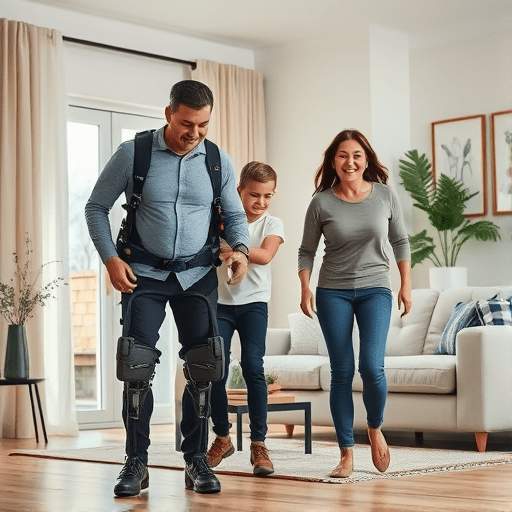
The emergence of brain-computer interfaces in Paralympic sport is transforming what elite adaptive athletics can be, giving athletes new pathways to control equipment, prostheses, and even compete in novel events using neural signals alone. As BCI trials move from lab proof-of-concept to field testing, athletes, coaches, and regulators are wrestling with breakthroughs in performance alongside thorny ethical and classification issues.
What are BCIs and why they matter for Paralympic athletes
Brain-computer interfaces (BCIs) translate neural activity into commands that operate devices — from powered wheelchairs and prosthetic limbs to virtual avatars or assistive exoskeletons. For many Paralympic athletes, BCIs unlock degrees of freedom previously limited by injury, congenital conditions, or limb loss. Unlike traditional assistive technologies that rely on residual muscle control, BCIs can bypass peripheral nerves entirely, creating direct brain-to-device pathways that expand participation and competitive potential.
Types of BCIs used in sport
- Non-invasive BCIs — EEG caps, dry electrodes, and functional near-infrared spectroscopy (fNIRS) systems read surface-level brain signals and are easiest to deploy in trials.
- Partially invasive BCIs — Electrocorticography (ECoG) places electrodes on the cortical surface, improving signal fidelity with moderate surgical risk.
- Fully invasive BCIs — Intracortical microelectrodes provide high-resolution control but require implant surgery and long-term maintenance.
From trials to podiums: athlete breakthroughs and real-world use
Early translational trials have demonstrated that athletes with spinal cord injuries and limb loss can use BCIs to control prosthetic devices and virtual sport interfaces with increasing speed and accuracy. In practice sessions and small competitive formats, athletes have completed tasks such as launching throws, steering adaptive cycling ergometers, and directing avatars in e-sport style events using only neural signals.
- In training environments, BCI-enabled prostheses have reduced the time to perform complex movement sequences, enabling more precise grip patterns for para-archery and javelin-like simulations.
- Hybrid events are emerging in trials where physical action and BCI control combine — for example, a relay where a BCI-operated handoff triggers the next athlete’s mechanical start.
- Neurofeedback-based training programs are helping athletes refine the mental strategies that produce consistent neural signals, improving competition reliability.
Ethical and regulatory questions reshaping the field
As BCIs approach competitive viability, several ethical and governance issues require urgent attention:
Fairness and classification
Traditional classification systems group athletes by impairment measured against physical function. BCIs introduce a new variable: neural augmentation. Regulators must decide whether BCI-assisted actions should be classified like prosthetic technologies, be placed in separate competition classes, or be limited to demonstration events until fair criteria are defined.
Safety, consent, and long-term effects
Implantable BCIs raise surgical and long-term health concerns. Even non-invasive systems can cause fatigue or cognitive load that impacts wellbeing. Informed consent must cover evolving risks, device updates, and data handling over an athlete’s career.
Data privacy and neural rights
BCIs collect intimate neural data that could reveal cognitive states beyond intended control signals. Policies must govern data ownership, retention, secondary use, and protections against misuse — particularly in high-stakes competitions where commercial and national interests collide.
Access and equity
High-performance BCIs are currently expensive and concentrated in research hubs. Without subsidies or standardized equipment, the technology risks amplifying inequalities among nations and athletes, contradicting Paralympic values of fair access.
How governing bodies and sport scientists are responding
Sports federations, medical committees, and ethics boards are convening multidisciplinary working groups to draft provisional frameworks. Key actions include:
- Defining technical standards for BCI devices admitted in competition (signal latency, reliability thresholds, and fail-safe mechanisms).
- Creating temporary pilot categories or demonstration events to gather data without disrupting established medal competitions.
- Partnering with neuroethicists, athletes, and disability advocates to co-design consent protocols and data governance rules.
Training, coaching, and the athlete experience
Using BCIs competitively requires new coaching paradigms. Sports psychologists and neuroengineers are collaborating to teach athletes mental strategies that produce consistent, high-amplitude control signals while minimizing cognitive fatigue. Training plans increasingly include:
- Neurofeedback sessions to build signal reproducibility.
- Simulated competitions to practice device management under stress.
- Cross-disciplinary conditioning to align physical and neural performance, because hybrid systems often demand both mental precision and residual physical control.
What competition could look like in the next decade
Several plausible futures exist: a) BCIs remain restricted to exhibition and adaptive training tools; b) responsible standardization integrates BCIs into existing classifications with strict limits; or c) new event categories emerge where mind-controlled performance is central, spawning fresh spectacle and opportunities for athletes with particular neural training strengths. How stakeholders choose will determine whether BCIs enhance inclusion or create new divides.
Practical steps for athletes and teams
- Engage early with researchers and producers to trial equipment and provide real-world feedback.
- Document performance and safety data to inform classification decisions.
- Advocate for inclusive procurement or funding so access isn’t limited by national wealth.
BCIs present a rare convergence of neuroscience, engineering, and elite sport that could redefine Paralympic competition while offering powerful new options for independence and performance. The technology’s promise is immense, but realizing it fairly will require transparent governance, athlete-centered design, and international cooperation.
Conclusion: Brain-computer interfaces have the potential to be a game-changer in Paralympic sport by unlocking novel capabilities and shaping new competitive formats, but realizing that future responsibly demands careful regulation, athlete protections, and equitable access.
Call to action: Join the conversation — athletes, coaches, and policymakers should collaborate now to shape fair, safe, and inclusive rules for BCI-enabled competition.