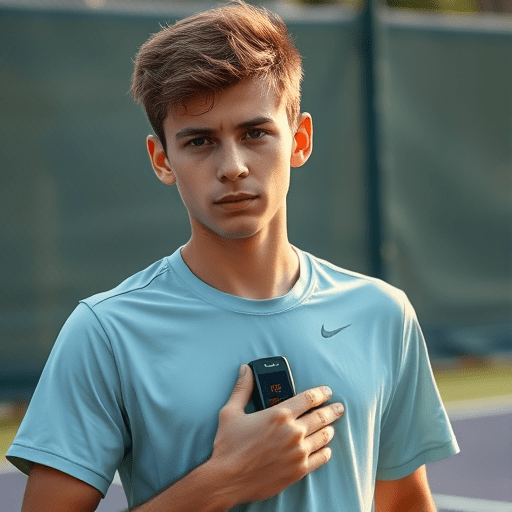
Wearable neurotech is reshaping how Paralympians train, offering real-time brain and muscle biofeedback that turns intuition into measurable gains. From on-track sprinters tuning motor commands to wheelchair racers optimizing force output, athletes are using neurofeedback to sharpen timing, reduce fatigue, and boost confidence under pressure. This article profiles athletes using these tools, explains the startups building the hardware and software, and examines the classification and fairness questions emerging as biofeedback moves from lab to race-day.
How real-time brain and muscle biofeedback works
At its core, wearable neurotech combines portable EEG, electromyography (EMG), inertial sensors, and machine learning to translate physiological signals into actionable feedback. EEG sensors detect changes in brain waves associated with focus, movement preparation, and fatigue; EMG measures muscle activation patterns and timing; inertial measurement units (IMUs) quantify movement mechanics. Algorithms sync these streams and present simplified cues—vibration, auditory tones, or a coach dashboard—so athletes can immediately adjust technique or mental state during drills.
From data to performance
- Feedforward cues: Sensors detect a preparatory brain pattern indicating readiness; athletes learn to reproduce it reliably before a start or a throw.
- Muscle timing: EMG-driven feedback helps athletes fire the right muscles in sequence, reducing energy loss and compensatory movements.
- Fatigue monitoring: Continuous metrics alert coaches when neuromuscular efficiency drops, enabling smarter load management and quicker recovery.
Profiles: Paralympians using biofeedback to improve outcomes
Below are three illustrative athlete profiles showing the range of applications for wearable neurotech in adaptive sport.
Maya Lopez — T35 sprinter refining motor timing
Maya, a regional T35 sprinter with spastic diplegia, began integrating EEG-guided breathing and visual cueing into her block starts. Using a lightweight headband, she learned to couple a consistent pre-movement cortical signature with an explosive leg drive. Over a training cycle she reduced her start reaction variability and reported feeling “more certain” in the first 20 meters, shaving precious hundredths off race times.
Jordan Akoto — Wheelchair racer optimizing push dynamics
Jordan’s team uses EMG sensors on deltoids and triceps plus an IMU on the push rim. Real-time haptic feedback signals inefficient wrist angles and asynchronous muscle firing during sprints. By re-mapping muscle activation patterns, Jordan improved peak propulsion and decreased energy wasted on corrective motions, translating into better lap consistency.
Elena Novak — Para-archer mastering mental-state consistency
For precision sports, neurofeedback helps stabilize attention. Elena pairs EEG-derived attention scores with a subtle auditory tone to anchor focus during pre-shot routines. The outcome is fewer lapses in concentration on competition days and a steadier release window.
Startups and labs pushing the wearable neurotech frontier
Several small companies and university spinouts are building tools aimed specifically at athletes, emphasizing portability, comfort, and coach-friendly analytics.
- NeuroTrack (example startup) — lightweight dry-electrode headbands with on-device preprocessing and a coach app that highlights readiness metrics and cognitive load.
- BioPulse Labs — modular EMG strips and haptic belts designed to cue muscle timing in real time for sprinting and wheelchair propulsion.
- Synaptix Wearables — multi-sensor platforms combining EEG, EMG, and IMU data into a single dashboard with customizable feedback modes for different sports.
Academic groups remain involved, validating protocols and publishing best practices that help turn raw sensor output into meaningful coaching cues. Partnerships between startups and Paralympic training centers are accelerating field-ready iterations.
Classification, fairness, and where lines get blurry
As wearable neurotech improves performance, sport governing bodies and ethicists face thorny questions: Is biofeedback a training tool or an augmentative device? Does using neurofeedback create an unfair advantage similar to technical prosthetics? Which interventions should be allowed in competition versus restricted to training?
Key policy considerations
- Training versus competition: Most current systems are used during training; intentional use of live neurofeedback in competition would raise immediate regulatory interest.
- Structural versus informational advantage: Devices that change the athlete’s body (exoskeletons, active prostheses) are easier to classify than informational tools that simply reveal internal state—yet information can be equally transformative.
- Accessibility and equality: If only well-funded teams access high-quality neurotech, disparities may widen between resource-rich nations and underfunded programs.
- Data privacy and consent: Brain and muscle data are sensitive; governing bodies will need standards for storage, sharing, and use in talent ID or classification disputes.
The International Paralympic Committee (IPC) and national federations are already discussing guidance: clear definitions, permitted contexts (training vs. competition), and transparency requirements for device capabilities and athlete data use.
Practical training routines that integrate biofeedback
Coaches report the most effective protocols are short, focused sessions that translate sensor signals into one or two simple cues. Examples include:
- Pre-start rehearsal: EEG cue + breath control for 5–10 minutes before explosive starts, repeated across days to build consistency.
- Push-phase refinement: EMG haptic cues during 20–30 second sprint intervals to train efficient muscle sequencing.
- Attention anchors: Brief neurofeedback-guided mindfulness before precision events to reduce shot variability.
Crucially, biofeedback should complement, not replace, traditional coaching and adaptive technique work. The technology accelerates learning curves but relies on expert interpretation and individualized programming.
Ethical and practical caveats
Wearable neurotech is not a magic bullet. Signal noise, placement sensitivity, and inter-individual variability mean that not every athlete benefits equally. Long-term dependence on external cues may also undermine autonomous skill under pressure; programs must phase feedback out as competence increases. Finally, transparent reporting and inclusive access strategies are essential to prevent technology from entrenching inequities.
Conclusion: wearable neurotech is already moving athletes from practice gains to podium potential, but its promise must be balanced by thoughtful governance and equitable access. When paired with sound coaching and ethical oversight, real-time brain and muscle feedback can become another tool in the adaptive athlete’s toolbox—one that helps talent, not technology, decide who stands on the podium.
Ready to learn how neurotech could fit into your training program? Contact your national Paralympic training center or a certified sports technologist to start a pilot.