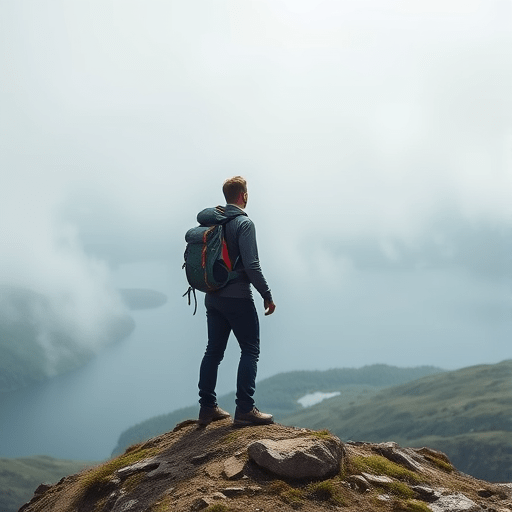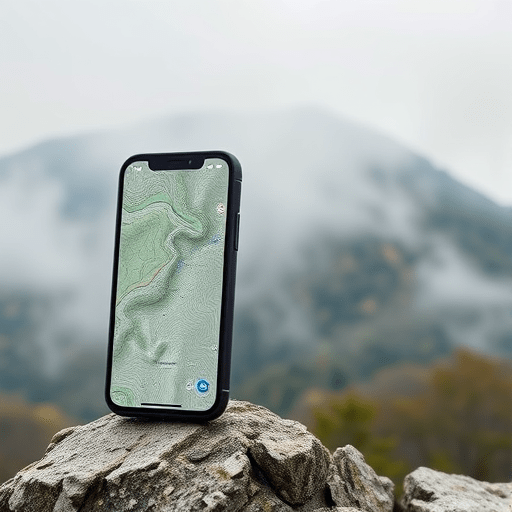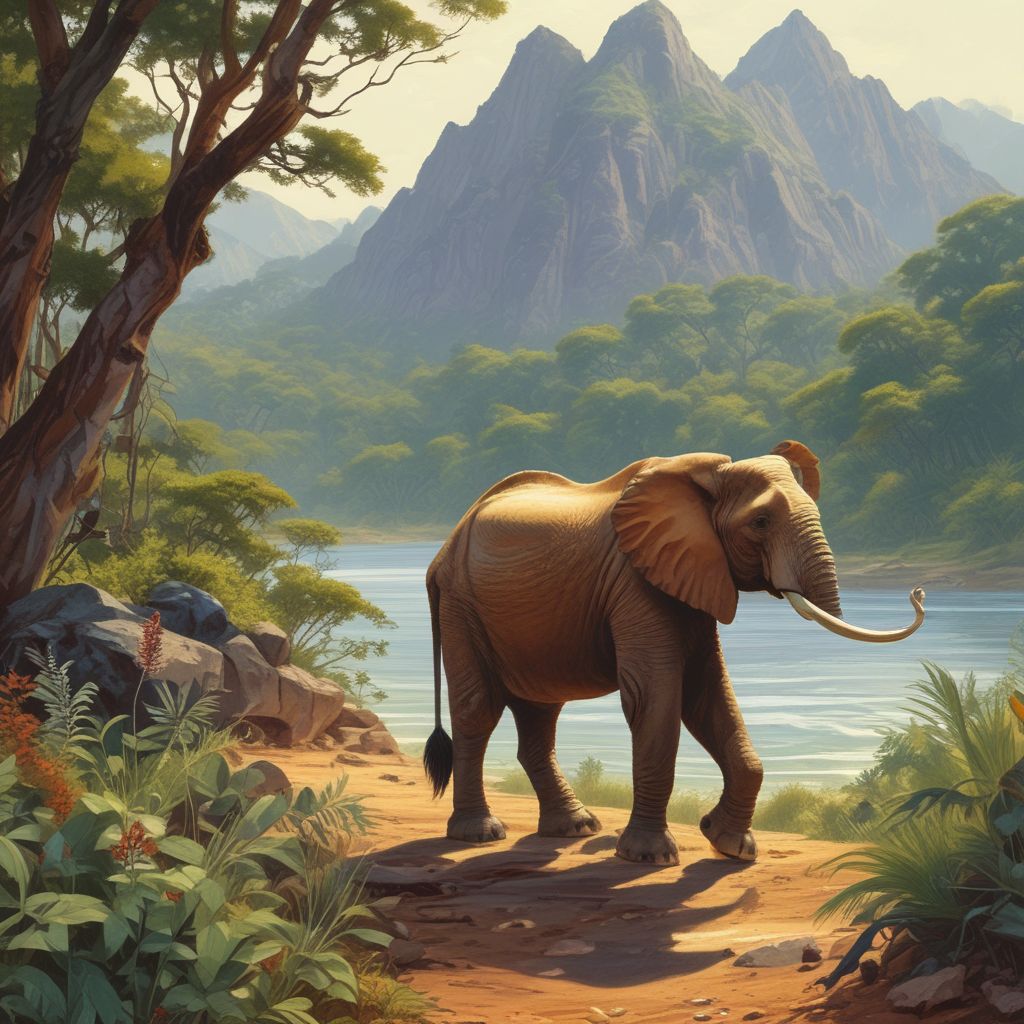
Bioacoustic Safaris are an emergent way to experience nature: instead of relying solely on binoculars and camera lenses, these listening tours use acoustic monitoring and expert ears to reveal wildlife hidden in dense forests, nocturnal wetlands, and remote mountains. On a bioacoustic safari, participants learn to read soundscapes, distinguish species by call, and understand how scientists use recordings to monitor populations and guide conservation. This article explains what to expect, how acoustic monitoring works, and why listening matters for protecting species cameras often overlook.
What Is a Bioacoustic Safari?
A Bioacoustic Safari is a guided tour focused on the sounds of wildlife rather than visual sightings. Led by scientists, sound recordists, or trained naturalists, these trips bring participants into habitats where animals are more likely heard than seen—like dense tropical understory, open savanna at dawn, or saltmarshes after dusk. Using a combination of real-time listening, passive recording equipment, and later spectrogram analysis, guides reveal a layer of biodiversity that traditional wildlife tourism can miss.
Key components of a bioacoustic safari
- Expert-led listening: Scientists and sound ecologists explain calls, rhythms, and acoustic behavior.
- Acoustic monitoring gear: Microphones, hydrophones, autonomous recorders, and parabolic dishes help capture distant or faint calls.
- Soundscape interpretation: Guides teach how to read spectrograms and identify species by frequency, pattern, and timing.
- Conservation integration: Recordings feed databases for population monitoring, species discovery, and anti-poaching efforts.
How Acoustic Monitoring Finds What Cameras Miss
Many species are cryptic, nocturnal, or extremely small—conditions that make visual detection difficult. Acoustic monitoring detects vocalizations and other biological sounds across time and space, often revealing presence where cameras record nothing. For example, a rainforest understory bird may never emerge into clear view but will broadcast distinct songs detectable by recorders; a frog species active at night can be mapped by the timing and frequency of its chorus.
Why sound is sometimes superior to sight
- Sound travels around obstacles and through vegetation that blocks cameras and human sightlines.
- Acoustic recorders can operate day and night for weeks, capturing rare vocal behavior and migration pulses.
- Many animals vocalize more reliably than they appear, especially during mating or territorial displays.
- Acoustic data provides quantifiable metrics (call rate, frequency range, temporal patterns) useful for research and management.
What to Expect on a Listening Tour
A typical bioacoustic safari blends field listening sessions with hands-on demonstrations of monitoring equipment and a classroom-style review of recordings. Early mornings and nights are common, since many animals are most vocal during crepuscular hours. Expect to:
- Spend time silently listening in strategic locations while guides point out subtle differences between calls.
- Watch spectrograms displayed on laptops or tablets to see how calls look and learn identification cues.
- Participate in deploying or retrieving autonomous recording units and learn ethical deployment practices.
- Discuss conservation implications—how recordings support habitat protection, species inventories, and community science.
Equipment you might encounter
- Parabolic microphones for focused listening
- Autonomous recording units (ARUs) for long-term monitoring
- Hydrophones for underwater soundscapes
- Portable recorders and directional mics for live demonstrations
Scientific and Conservation Benefits
Bioacoustic Safaris are not just educational—they contribute to science. Many tours partner with research projects and conservation NGOs to expand monitoring networks and build open-access sound libraries. Data collected can:
- Document species presence and seasonal patterns across remote areas
- Detect rare or cryptic species and inform targeted surveys
- Track changes in soundscapes caused by habitat loss, noise pollution, or climate-driven shifts in behavior
- Support anti-poaching and enforcement by detecting gunshots or vehicle noise
Case study: Listening for a rare frog
In a Central American cloud forest, researchers partnered with eco-guides to run bioacoustic safaris that deployed ARUs along elevational gradients. The resulting recordings confirmed the continued presence of a critically endangered frog species long after visual surveys failed to find individuals—informing a targeted habitat protection plan and raising funds from safari participants to support conservation work.
How to Choose a Responsible Bioacoustic Safari
Not all wildlife tourism is equal. When selecting a listening tour, prioritize operators who:
- Work with local scientists, communities, and conservation organizations
- Use low-impact listening practices and follow ethical guidelines for deploying equipment
- Return data to public repositories or local conservation partners
- Educate participants about soundscape conservation and noise pollution impacts
Questions to ask before booking
- Who runs the scientific component and how is data used?
- Are recording devices left in place, and if so, how are they secured and retrieved?
- Do local communities benefit from the tours?
- What measures are taken to minimize disturbance during nocturnal listening sessions?
Bringing the Experience Home: Citizen Science and Listening at Home
Bioacoustic learning doesn’t stop on the trail. Many operators supply participants with starter kits of recordings, identification guides, and instructions for using smartphone apps to record backyard soundscapes. Joining citizen science platforms helps expand monitoring efforts—participants’ recordings from everyday places feed continental databases that map biodiversity across landscapes and time.
Whether it’s the pulse of a distant canopy bird, the chorus of a wetland at dusk, or the faint sonar clicks of a river dolphin, Bioacoustic Safaris open a new dimension of the natural world. For travelers who want to combine adventure, science, and meaningful conservation impact, these listening tours offer experiences that cameras alone can’t capture.
Conclusion: Bioacoustic Safaris transform travel into active science—teaching participants to listen, contribute data, and protect species that hide in plain sound. By prioritizing responsible operators and supporting community-linked research, travelers can help document and conserve the world’s most elusive wildlife through the power of sound.
Ready to hear what you’ve been missing? Book a bioacoustic safari and start listening to the hidden life of the planet.