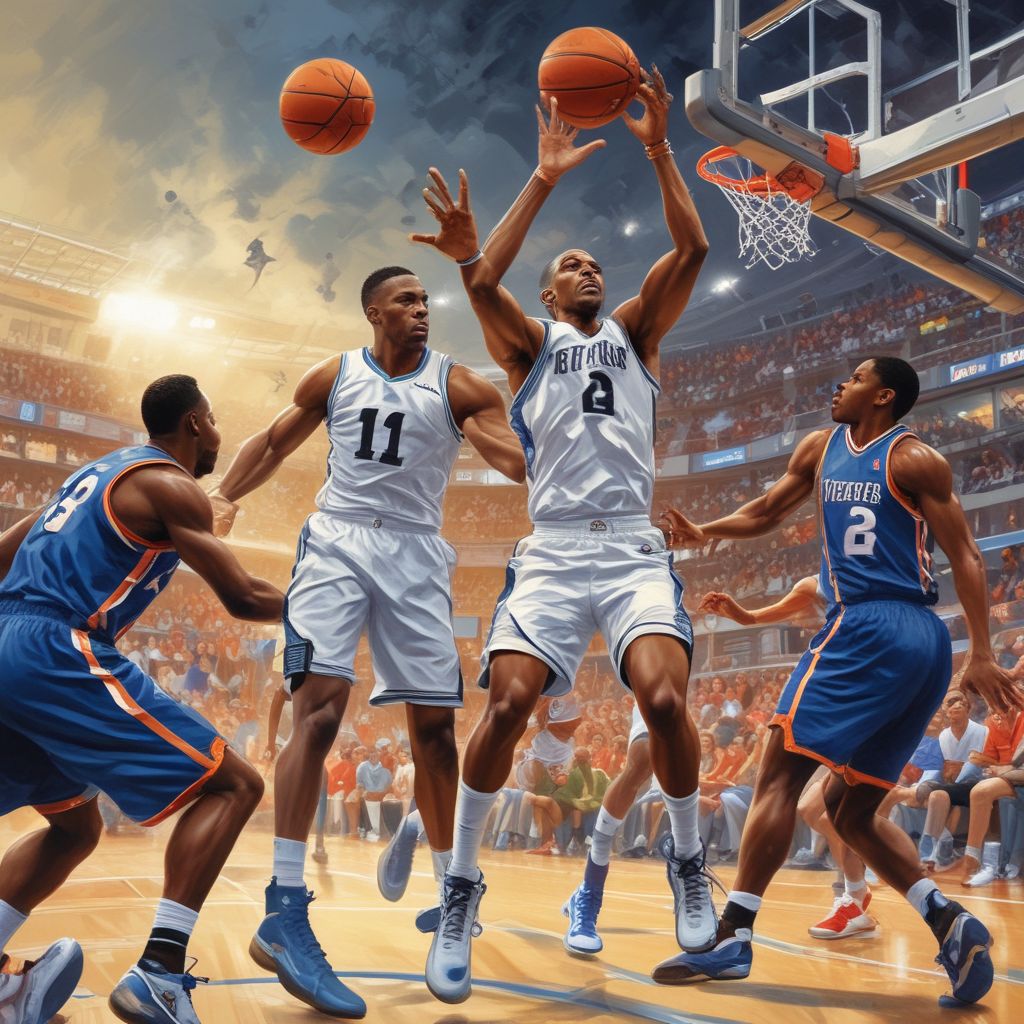
The crossover from court to field is no longer a metaphor — From Pick-and-Roll to Play-Action: How Basketball’s Space-and-Pace Revolution Is Reshaping NFL Offenses describes a real tactical migration where spacing, motion, and tempo-driven analytics are changing how coaches create open-field mismatches in the NFL. As offenses chase efficient, high-variance plays, football coordinators are borrowing basketball’s playbook of horizontal spacing and quick decision-making to isolate defenders and magnify yards after catch (YAC) opportunities.
Why basketball principles fit football
Basketball’s most valuable assets are space and pace: spreading defenders thin across the court and forcing quick, high-value decisions. Football’s evolution — with spread formations, RPOs, and route concepts designed to attack soft spots in zones — mirrors that logic. Both sports reward creating one-on-one matchups in open space and maximizing possessions (or plays) where a single successful action produces outsized returns.
Shared concepts
- Horizontal spacing: Stretch the defense sideline-to-sideline to create lanes and isolate defenders.
- Motion as a mismatch tool: Pre-snap and at-snap motion forces defenders to reveal coverage and adjust leverage.
- Tempo and possession control: Faster pace reduces defensive substitution windows and increases play volume — akin to more possessions in basketball.
- Two-man game logic: Like a pick-and-roll, coordinated actions between two players force defenders into conflict or late switches.
Tactical crossovers: pick-and-roll analogues on the gridiron
In basketball the pick-and-roll creates a momentary two-on-one or a mismatch after a switch. Football has begun to replicate that structure through coordinated actions that force defenders to choose between pursuing the run fake, following a motioning receiver, or passing off in coverage. The results are clean spaces for play-action shots, quick outs, and screen opportunities.
Examples of football plays that function like a pick-and-roll
- Play-action rollouts + seam/flat reads: A strong run fake drags linebackers, the QB rolls, and a seam or flat route exploits the vacated area — a defender is effectively screened out of the play.
- Jet motion + quick-game passing: Motion creates a traffic problem for defenders; the offense then targets the vacated zone with a quick pass or slant.
- Rub/pick routes and legal screens: Route concepts that force natural interference (within the rules) produce separation for a receiver much like a ball-handler getting a screen.
- RB release into route after pass-pro slide: The OL’s movement sets a seam while a released blocker becomes a mismatch in the flat or on a linebacker.
Analytics-driven tempo: measuring pace and its payoff
Analytics quantify what coaches already feel: more high-quality plays per game increases scoring opportunities. Metrics like EPA (expected points added) per play, success rate, and YAC are central to evaluating whether a tempo or spacing tweak is worthwhile. Faster pace raises play count but can reduce play success if decisions are rushed; analytics help calibrate where tempo yields net positive gains.
How analytics guide spacing and tempo choices
- EPA per route concept: Identify which route combinations consistently produce high EPA against specific coverages.
- Personnel matchup analysis: Use snap-by-snap data to flag when linebackers are repeatedly matched on slot receivers or RBs in space and design plays to force those matchups.
- Substitution and tempo windows: Track defensive personnel change times and deploy no-huddle or hurry-up to exploit slower substitution processes.
Coaches who translate spacing into football wins
Modern offensive minds have embraced spacing principles to build flexible, mismatch-seeking systems. They use formations, pre-snap motion, and play designers who think in terms of “space creation” rather than just “route trees.” The best implementations pair schematic creativity with data: scouting tendencies, mapping coverage seams, and prioritizing high-EPA concepts on early-down sequences.
Common schematic implementations
- Spread formations: Wide splits and four- or five-receiver sets that force defenses to choose between coverage help and run-stopping strength.
- RPO integration: Read-based plays that combine run and pass threats make defenders hesitate and open up room for play-action and short explosive passes.
- Slot isolation: Creating single-coverage opportunities on athletic slot receivers or RBs to exploit matchups against linebackers or nickel backs.
Practices and drills: teaching spacing to players
Spacing is behavior as much as design; teachable habits help athletes exploit created lanes. Practice should emphasize route depth and horizontal stems, QB timing on quick reads, and receiver awareness for using picks and natural rubs without committing offensive fouls.
Suggested drills
- Horizontal route ladders: Receivers run staggered routes across the field to rehearse lane timing and separation.
- Motion response drills: Defense and offense practice adjusting on jet/shift motion to train defenders to communicate and offenses to read leverage.
- Quick-decision QB drills: Simulated no-huddle reps with preset read progressions to improve accuracy and timing under tempo pressure.
Risks and countermeasures
No tactical import is perfect: increased tempo can lead to mistakes, and spacing can leave teams vulnerable to defensive pressure or well-drilled zone coverage. Countermeasures include mixing tempo, using max-protection packages on critical downs, and leveraging analytics to avoid predictability.
Defensive adjustments to watch for
- Zone-heavy responses plugging interior seams
- Schemed matchups where hybrid defenders trail athletic receivers
- Disguised pressure to collapse the QB’s quick-read window
The ongoing fusion of basketball spacing and football play-calling reflects a broader shift: sport-by-sport tactical learning combined with analytics is unlocking creative, high-value play design. Teams that master spacing and tempo without becoming one-dimensional will keep defenses guessing and create the mismatches that lead to explosive plays.
Conclusion: As offenses continue to mine basketball for spacing and pace lessons, the NFL will see more play designs that look like pick-and-rolls in spirit: coordinated, space-creating, and relentlessly focused on isolating the defense’s weakest responder. Embrace spacing, practice tempo, and let analytics tell you when to accelerate.
Want a tactical breakdown of a specific NFL play that borrows basketball principles? Request a film study and formation diagram.