In the high‑stakes environment of the Intensive Care Unit (ICU), even a single delayed or misread order can impact patient outcomes. Automating ICU Bedside Order Entry Workflow is no longer a luxury—it is a necessity for reducing hand‑off errors, accelerating clinical decision‑making, and freeing clinicians to focus on bedside care. This guide walks you through a practical, step‑by‑step process for aligning ICU teams, IT departments, and vendors to implement a seamless, error‑reduced order entry system.
Why Automation Matters in the ICU
ICUs are hubs of rapid decision‑making, continuous monitoring, and frequent medication changes. Traditional paper‑based or fragmented electronic systems can create:
- Data silos that delay critical orders.
- Increased cognitive load on nurses during hand‑offs.
- Higher risk of transcription errors when clinicians rely on manual entry.
Automating bedside order entry eliminates these bottlenecks by:
- Providing real‑time visibility of all orders.
- Enabling smart defaults and decision support at the bedside.
- Ensuring audit trails that meet regulatory compliance.
Mapping the Current Order Entry Process
Before you roll out automation, you need a clear baseline of how orders flow today. Follow these steps:
- Process Mapping Workshop: Gather ICU physicians, nurses, pharmacists, and IT staff. Use a swimlane diagram to capture each step from order initiation to pharmacy fulfillment.
- Identify Pain Points: Highlight delays, duplicate entries, and common hand‑off errors. Document the time taken for each step.
- Quantify Impact: Use metrics such as average order entry time, error rate, and readmission due to medication mishandling.
- Set Target Goals: Define SMART objectives—for example, reduce order entry time by 30% and eliminate transcription errors within six months.
Building a Cross‑Functional Alignment Team
Successful automation hinges on collaboration. Create a multidisciplinary steering committee that includes:
- Clinical Champions: ICU physicians and nurse leaders who will advocate for workflow changes.
- IT Representation: EHR project managers, system integrators, and data analysts.
- Vendor Liaison: Account managers from your EHR provider.
- Quality & Safety Officer: To monitor error reduction and compliance.
- Pharmacy Liaison: For medication reconciliation and workflow alignment.
Hold weekly virtual meetings to ensure transparent communication, address roadblocks early, and keep the project timeline on track.
Selecting the Right EHR Vendor Features
Not all EHRs offer the same bedside capabilities. Evaluate vendors against these criteria:
- Real‑time Bedside Access: Ability to enter orders directly from the bedside terminal or mobile device.
- Clinical Decision Support (CDS): Real‑time alerts for drug interactions, allergies, and dosing limits.
- Integrated Documentation: Auto-population of nursing notes, vital signs, and medication logs.
- Data Analytics & Reporting: Built‑in dashboards to track order accuracy, time-to-implementation, and compliance metrics.
- Interoperability: Seamless data exchange with pharmacy, laboratory, and radiology systems.
- User‑Friendly Interface: Customizable order sets and voice‑to‑text capabilities to reduce typing errors.
Conduct a proof‑of‑concept (POC) with top vendors, allowing ICU staff to test real‑world scenarios before committing.
Designing the Bedside Order Entry Flow
With the right tools in place, map the new workflow. Keep it patient‑centric and minimalistic:
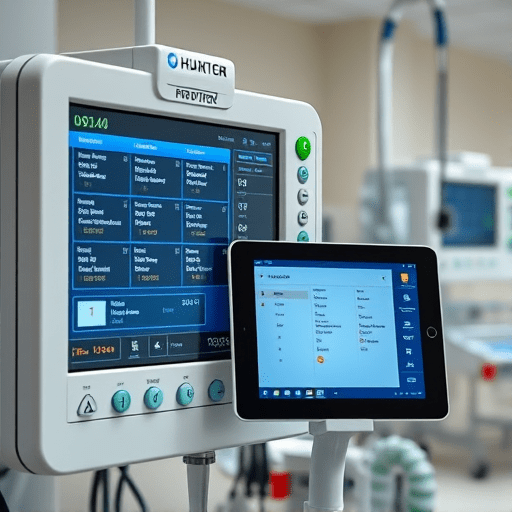
- Order Initiation: Physician or advanced practice provider enters the order on the bedside tablet using a pre‑built medication order set.
- Automated Verification: CDS checks for allergies, interactions, and dosing. The system flags any red flags with clear, actionable recommendations.
- Order Confirmation: Nurse confirms the order at bedside, ensuring mutual verification.
- Pharmacy Dispensing: Order is routed to the pharmacy automatically. Pharmacists review the CDS alerts before dispensing.
- Documentation Sync: All steps are logged in the EHR, generating a real‑time audit trail visible to all team members.
Use visual design best practices: keep screens uncluttered, use color coding for order status (e.g., green = confirmed, yellow = pending, red = flagged), and provide a “panic button” for urgent overrides.
Training and Change Management
People are the biggest barrier to change. Adopt a structured training approach:
- Kick‑off Workshops: Hands‑on sessions with simulated patient scenarios.
- Microlearning Modules: Short video tutorials (5–7 minutes) covering specific tasks.
- On‑Demand Help Desk: 24/7 support during the first 30 days.
- Feedback Loop: Anonymous surveys to gauge confidence levels and identify pain points.
Leadership endorsement matters. Have unit chiefs sign off on the new protocol, and visibly celebrate early successes to build momentum.
Pilot Implementation and Feedback Loops
Roll out the new workflow in a single ICU unit before scaling:
- Define Success Metrics: Error rate, average order entry time, pharmacist verification time.
- Daily Debrief Sessions: Short stand‑ups to capture lessons learned.
- Real‑time Analytics Dashboard: Share performance metrics with the entire team.
- Iterative Improvements: Adjust order sets, refine alerts, and tweak UI based on real data.
Document every change in a change log to maintain traceability and comply with audit requirements.
Scaling Across Units and Institutions
Once the pilot demonstrates measurable improvements, expand the solution systematically:
- Standardize Order Sets: Create institution‑wide templates for common ICU protocols (e.g., sepsis bundle, ventilator weaning).
- Centralize Governance: Establish a regional IT‑clinical committee to oversee deployment across all ICUs.
- Leverage Vendor Roadmaps: Align future updates (e.g., AI‑driven dosing suggestions) with institutional plans.
- Continuous Learning: Host quarterly knowledge‑sharing sessions where units report successes and challenges.
Maintain flexibility to customize order sets for specialty ICUs (cardiac, neuro, burn) while preserving core safety standards.
Conclusion
Automating ICU bedside order entry is a complex but rewarding journey that requires clear goals, cross‑functional collaboration, and a patient‑first mindset. By meticulously mapping current processes, selecting vendors with robust bedside capabilities, designing intuitive workflows, and embedding continuous feedback, ICUs can dramatically reduce hand‑off errors, accelerate care, and ultimately improve patient outcomes. The result is a lean, high‑quality care environment where clinicians spend less time on documentation and more time delivering life‑saving interventions.