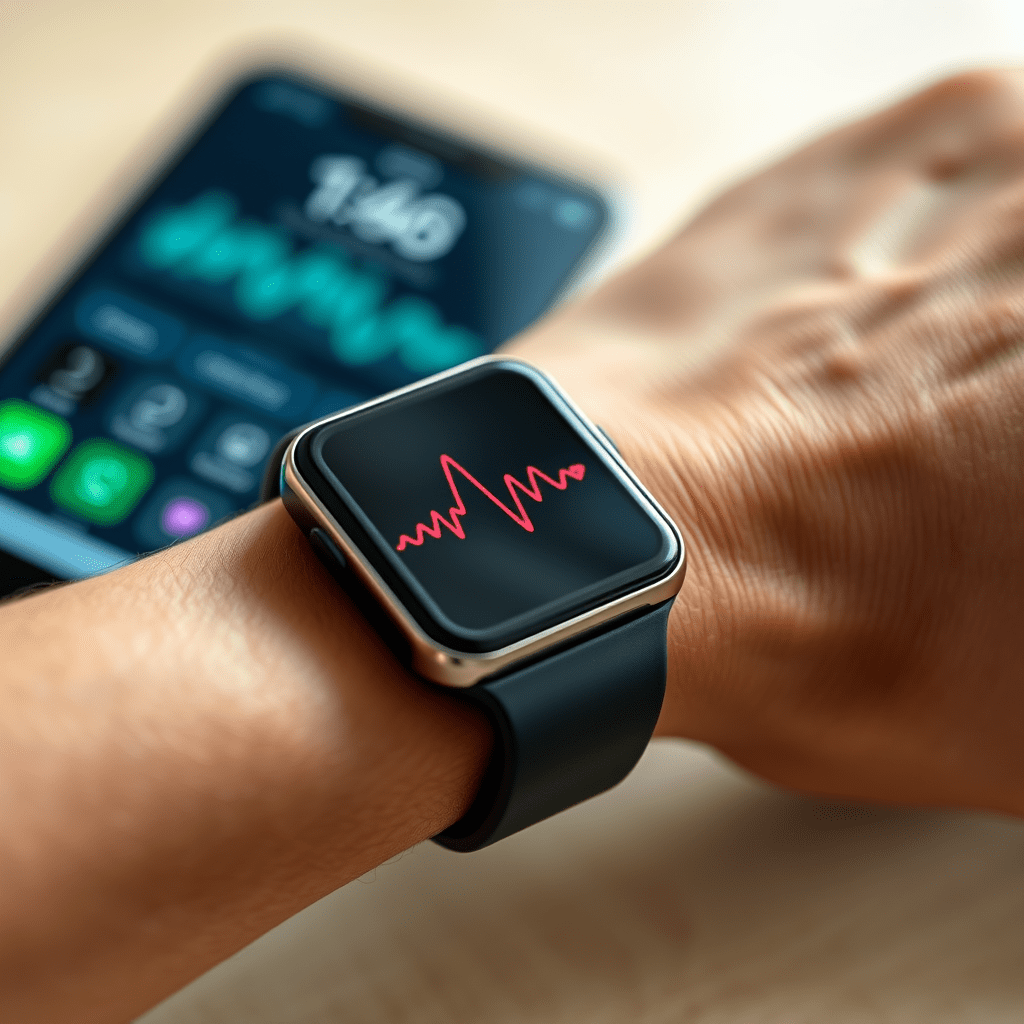
AI-Powered Wearables Face a New Regulatory Landscape – Balancing Rapid Innovation with Robust Patient Privacy Protections
AI-powered wearables, such as smart watches, fitness trackers, and implantable health monitors, are reshaping how patients manage chronic conditions, track fitness, and receive real‑time medical insights. Yet, as the industry accelerates, regulatory bodies worldwide are tightening oversight to safeguard personal health information while preserving the momentum of technological progress.
The Promise of AI-Powered Wearables
Artificial intelligence embedded in wearables can sift through millions of data points, identify subtle physiological patterns, and deliver actionable health alerts. From detecting atrial fibrillation within minutes to predicting glucose spikes for people with diabetes, these devices empower patients and clinicians alike. For many, the convenience of a wrist‑band that continuously monitors heart rhythm means fewer emergency department visits and earlier interventions.
Key Technological Advancements
- Edge AI processing: Devices now process data locally, reducing latency and protecting sensitive information from cloud transmission.
- Multimodal sensing: Combining photoplethysmography, accelerometry, and bio‑impedance yields richer datasets for diagnosis.
- Adaptive algorithms: Machine learning models refine themselves based on individual user patterns, improving accuracy over time.
Emerging Regulatory Challenges
Governments, healthcare regulators, and data protection authorities are grappling with how to classify these hybrid devices—both as medical devices and as personal health apps. The main challenges include:
1. Device Classification and Clearance
In the United States, the Food and Drug Administration (FDA) must decide whether an AI algorithm integrated into a wearable is a Class II or Class III medical device. The European Union’s Medical Device Regulation (MDR) similarly requires CE marking and a conformity assessment. Ambiguity arises when a device offers both fitness tracking and clinical diagnostics.
2. Data Governance and Consent
Wearables collect continuous streams of biometric data, often linked to location, sleep patterns, and social behavior. Regulations such as the General Data Protection Regulation (GDPR) and the California Consumer Privacy Act (CCPA) demand granular user consent, right to erasure, and transparency in data usage.
3. Algorithmic Transparency and Explainability
Regulators are demanding that AI models used in medical decisions provide a clear rationale for their outputs. The FDA’s Artificial Intelligence and Machine Learning (AI/ML)-Based Software as a Medical Device (SaMD) Action Plan outlines the need for post‑market performance monitoring and risk mitigation plans.
Privacy Concerns: Why They Matter
Patient privacy is not a peripheral issue; it is central to the trust ecosystem in digital health. Breaches of sensitive health data can lead to:
- Stigmatization or discrimination by employers and insurers.
- Identity theft if biometric data is compromised.
- Loss of patient confidence in technology, stalling adoption.
In light of these risks, manufacturers are now implementing privacy‑by‑design principles, such as anonymizing data streams and employing differential privacy techniques.
New Regulatory Frameworks Around the World
Governments are moving beyond reactive measures, creating proactive frameworks that support innovation while ensuring data protection:
United States
- FDA AI/ML SaMD Action Plan: Provides guidance on pre‑market and post‑market requirements for AI/ML software.
- HIPAA Modernization Efforts: Updates to the Health Insurance Portability and Accountability Act aim to clarify coverage of wearables and telehealth data.
European Union
- MDR (Medical Device Regulation): Requires rigorous clinical evaluation, traceability, and risk management for all health‑related devices.
- GDPR: Enforces data minimization, purpose limitation, and the right to data portability.
Asia‑Pacific
- Australia’s Therapeutic Goods Administration (TGA): Introduced an AI‑enabled medical device risk classification.
- Singapore’s Personal Data Protection Act (PDPA): Updated to explicitly cover health data collected by IoT devices.
Best Practices for Developers and Manufacturers
To navigate this complex regulatory terrain, companies can adopt the following strategies:
1. Early Regulatory Engagement
- Consult with regulators during the design phase.
- Use pre‑submission pathways (e.g., FDA’s Pre‑Submission Program) to clarify classification and clearance requirements.
2. Robust Data Governance
- Implement a data lifecycle strategy: collection, storage, processing, sharing, and deletion.
- Use privacy‑preserving techniques such as on‑device processing and encryption.
3. Transparent Algorithmic Documentation
- Maintain a technical file that details model architecture, training data, performance metrics, and validation results.
- Establish a post‑market surveillance plan to monitor algorithm drift.
4. Patient‑Centric Consent Models
- Provide granular, tiered consent options: basic wellness data vs. clinical-grade diagnostics.
- Offer clear dashboards where patients can view, export, and delete their data.
Future Outlook: Toward Harmonized Global Standards
While regulatory approaches differ across jurisdictions, there is growing momentum toward harmonization. International bodies like the International Medical Device Regulators Forum (IMDRF) are drafting consensus documents on AI/ML medical device classification. The forthcoming EU Digital Health Ecosystem (DHES) will integrate AI standards, data protection rules, and interoperability protocols.
For AI‑powered wearables to reach their full potential, stakeholders must collaborate. Manufacturers, clinicians, regulators, and patient advocacy groups need to co‑create a regulatory ecosystem that protects privacy without stifling innovation.
In short, the next decade will see a convergence of rapid technological advancements and rigorous regulatory oversight—paving the way for safe, reliable, and privacy‑respecting wearable health solutions.
Conclusion
AI-powered wearables stand at the intersection of cutting‑edge technology and sensitive personal data. By embracing proactive regulation, transparent AI practices, and patient‑centric privacy safeguards, the industry can deliver groundbreaking health benefits while maintaining public trust.
Ready to explore how your organization can navigate this evolving landscape? Contact our regulatory compliance team for a tailored strategy session.