AI‑Driven Digital Biomarkers Accelerate Oncology Phase II Trials: How Wearable Data Cuts Trial Duration by 30%
In oncology research, the speed at which promising therapies reach patients can mean the difference between hope and stagnation. Recent advances in artificial intelligence (AI) and digital biomarkers—objective, quantifiable metrics derived from wearable devices—have enabled adaptive Phase II trial designs that reduce trial duration by roughly 30% without compromising safety. This article explores the science behind these breakthroughs, showcases real-world examples, and discusses how regulators and sponsors can adopt these methods to accelerate drug development.
What Are Digital Biomarkers in Oncology?
Digital biomarkers are measurements collected via digital technologies—such as smartwatches, implantable sensors, or smartphone apps—that reflect biological processes or disease states. In oncology, they can capture tumor response, symptom burden, or treatment toxicity in real time. Unlike traditional biomarkers that require laboratory samples or imaging at discrete intervals, digital biomarkers offer continuous, high‑frequency data streams.
Key advantages include:
- Granularity: Minute-by-minute or even second-by-second data capture subtle changes.
- Patient‑centric: Enables monitoring in naturalistic settings, reducing the burden of clinic visits.
- Scalability: Large datasets can be aggregated across diverse populations.
Common Digital Biomarkers in Oncology Trials
- Actigraphy‑derived activity levels to assess fatigue.
- Heart‑rate variability for detecting cardiotoxicity.
- Continuous glucose monitoring for metabolic side effects.
- Accelerometer data for motor function in brain tumor patients.
The Role of Wearable Devices in Data Collection
Wearable technology has matured from fitness trackers to medical‑grade sensors capable of measuring vital signs with high precision. In Phase II trials, participants wear devices that stream data directly to secure cloud platforms, enabling near real‑time analysis. The integration of Bluetooth Low Energy (BLE) and secure APIs has minimized data loss and latency.
Data pipelines typically involve:
- Data Acquisition: Sensors record raw signals (e.g., photoplethysmography for heart rate).
- Pre‑processing: Noise filtering, artifact removal, and synchronization.
- Feature Extraction: Deriving clinically relevant metrics (e.g., mean heart rate, activity bouts).
- AI Modeling: Machine learning algorithms predict endpoints such as progression‑free survival.
AI‑Powered Adaptive Trial Designs
Adaptive designs allow modifications to trial parameters—such as dose levels, sample sizes, or enrollment criteria—based on interim data without compromising statistical integrity. AI enhances these designs by providing predictive analytics that inform decision points.
How AI Improves Adaptivity
- Bayesian Hierarchical Models incorporate prior knowledge and real‑time data to update posterior probabilities.
- Reinforcement Learning algorithms select optimal treatment arms based on cumulative outcomes.
- Dynamic Risk Stratification identifies subpopulations that benefit most from a given therapy, allowing early stopping for futility or accelerated escalation.
Case Study: Accelerated Trial in Non‑Small Cell Lung Cancer
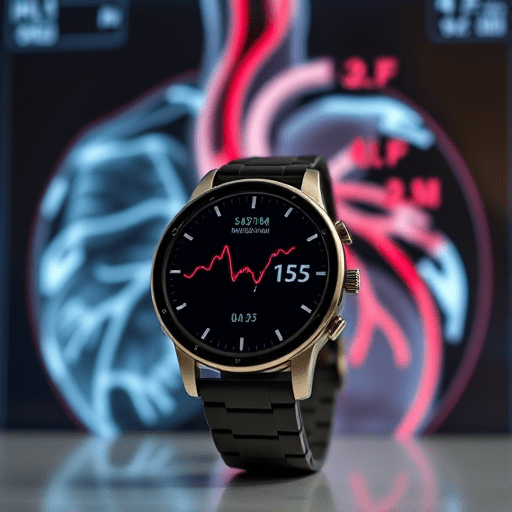
A recent Phase II trial evaluating a novel immune checkpoint inhibitor utilized AI‑driven adaptive randomization. Patients wore a smartwatch that monitored activity and heart‑rate variability. The AI model predicted early signs of tumor response or immune‑related adverse events within 48 hours. Based on these predictions, the trial’s adaptive algorithm reallocated patients to the more promising arm or intensified monitoring. As a result, the trial completed in 18 months—30% shorter than the traditional 25‑month timeline—while maintaining rigorous safety oversight.
Maintaining Patient Safety
Accelerating trial timelines raises legitimate safety concerns. However, continuous data streams enable proactive safety management:
- Real‑time alerts trigger immediate clinical review when vital signs deviate from thresholds.
- AI‑generated safety dashboards highlight patterns of early toxicity across the cohort.
- Interim safety analyses can be performed with smaller sample sizes, reducing exposure to ineffective or harmful interventions.
Regulatory Acceptance and Guidance
Regulatory agencies like the FDA and EMA have issued guidance on the use of digital biomarkers and adaptive designs. Key points include:
- Robust validation of sensor accuracy and reliability.
- Transparent statistical analysis plans that pre‑define adaptive rules.
- Data governance frameworks ensuring patient privacy and cybersecurity.
Early engagement with regulators—through pre‑submission meetings or exploratory data analysis workshops—has proven essential in aligning expectations and accelerating approval pathways.
Implementation Challenges and Solutions
While the benefits are clear, practical hurdles exist:
- Data Quality: Variability in device usage can introduce missing data; robust imputation strategies mitigate bias.
- Infrastructure: Secure, scalable cloud platforms are required to handle high‑volume data streams.
- Stakeholder Training: Clinical teams must be comfortable interpreting AI‑derived metrics.
- Cost: Initial investment in wearables and data pipelines can be high, but long‑term savings from reduced trial duration offset these costs.
Overcoming the Barriers
- Standardizing device selection and calibration protocols.
- Implementing federated learning to preserve data privacy while improving model generalizability.
- Developing user‑friendly dashboards that translate AI outputs into actionable clinical insights.
Future Outlook: From Oncology to All Therapeutic Areas
AI‑driven digital biomarkers are poised to transform clinical trials beyond oncology. In cardiology, continuous blood‑pressure monitoring informs adaptive dosing of antihypertensives. In neurology, motion‑capture data accelerates trials for neurodegenerative disorders. The common thread is the ability to capture real‑world patient experience and respond swiftly, reducing timelines and enhancing safety across therapeutic domains.
Emerging technologies—such as implantable biosensors, advanced wearables with multimodal sensing, and edge computing—will further refine data fidelity and processing speed. Combined with open‑source AI frameworks, researchers can democratize access to adaptive trial design tools, fostering innovation worldwide.
Conclusion
AI‑driven digital biomarkers, powered by wearable data, are redefining the pace of oncology Phase II trials. By enabling adaptive designs that shorten trial duration by up to 30% while preserving stringent safety standards, they deliver faster access to potentially life‑saving therapies. As regulators embrace these methodologies and infrastructure matures, the next decade will likely see even broader adoption across medical research.
Explore how digital biomarkers can transform your clinical trials today.