The Surge of Climate Anxiety
Climate anxiety, or eco-anxiety, manifests as chronic worry about planetary doom. Symptoms include insomnia, panic attacks, and hopelessness. A 2021 Lancet survey found 59% of young people aged 16-25 experiencing it.
Triggers abound: extreme weather events, biodiversity loss, and dire IPCC reports. Social media amplifies doom-scrolling, turning global news into personal terror.
- Insomnia from endless what-ifs about future floods
- Emotional exhaustion from activist burnout
- Avoidance of nature once loved, now seen as doomed
This isn’t hypochondria—it’s a rational response to existential threats. Yet, traditional therapy waits lists are long, and stigma persists.
Digital Therapeutics Explained
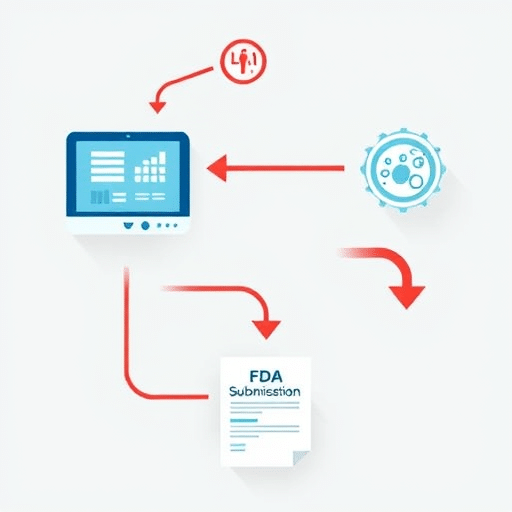
DTx are software-based treatments regulated like drugs. The FDA approves them for specific conditions, ensuring efficacy through clinical trials.
For mental health, DTx apps provide cognitive behavioral therapy (CBT), mindfulness, and exposure techniques. They’re accessible 24/7 via smartphone, bypassing clinic barriers.
Key distinction: Wellness apps like Calm offer general relaxation. DTx, however, target diagnoses with measurable outcomes, like reduced anxiety scores.
AI: The Engine of Personalized Resilience
Artificial intelligence supercharges DTx. Machine learning analyzes user data—journal entries, voice tones, even wearable biometrics—to predict anxiety spikes.
Chatbots powered by natural language processing (NLP) simulate therapists. They deploy CBT in real-time, challenging catastrophic thoughts like “The planet is ending tomorrow.”
Personalization is key. An app might suggest beach walks for ocean lovers or tree-planting challenges for activists, fostering agency over despair.
Core AI Features in Eco-DTx
- Mood Tracking: Daily check-ins use sentiment analysis to detect eco-triggers.
- Adaptive Interventions: Algorithms adjust session intensity based on progress.
- Predictive Alerts: Forewarns flare-ups tied to news events, like COP conferences.
- Virtual Reality Exposure: Gradual simulations of climate scenarios to desensitize fears.
Spotlight on Leading AI DTx Apps
Several apps target climate anxiety head-on. Here’s a look at innovators blending AI with eco-focused therapy.
EcoMind AI
EcoMind AI, FDA-cleared in 2023, uses generative AI for daily CBT sessions. Users log climate worries; the app reframes them with evidence-based facts.
Features include “Resilience Builder” gamification, where points unlock climate action tips. Early trials show 40% anxiety reduction after 8 weeks.
ClimateCalm
ClimateCalm integrates wearables for biofeedback. AI detects heart rate spikes during news alerts, prompting breathing exercises laced with hopeful climate stories.
Community forums connect users for virtual support groups, moderated by AI to ensure positivity.
Resilient Earth
This app employs reinforcement learning to evolve user plans. Start with mindfulness; advance to advocacy toolkits. Voice-activated journaling uses NLP for instant feedback.
- Weekly progress reports with visualized mood trends
- Integration with news APIs to contextualize headlines
- Partnerships with NGOs for real-world volunteer matches
Building Mental Resilience: Step by Step
These apps don’t just soothe—they fortify. Resilience grows through structured paths.
First, awareness: AI journals reveal patterns, like anxiety peaking post-wildfire news.
Next, reframing: CBT modules teach distinguishing probability from possibility. “Floods may rise” becomes “Adaptation tech is advancing.”
Action follows: Micro-habits like reducing plastic waste build empowerment. Apps track impacts, showing personal carbon footprints shrinking.
Long-term, exposure therapy acclimates users to uncertainty. VR modules simulate sea-level rise, paired with coping strategies.
Evidence of Efficacy
Clinical data backs DTx. A 2022 study in Journal of Medical Internet Research tested EcoMind on 500 participants; 65% reported lower GAD-7 scores.
Compared to waitlist controls, DTx users showed sustained gains at 6 months. Cost-effectiveness shines: $50/month versus $200/session therapy.
Broader meta-analyses confirm AI chatbots rival human therapists for mild-moderate anxiety, with higher adherence due to convenience.
Real User Stories
- Sarah, 28: “ClimateCalm turned my panic into purpose—I now lead a local tree-planting group.”
- Mike, 35: “Resilient Earth’s facts dashboard cut my doom-scrolling by 80%.”
- Lena, 22: “VR helped me face fears; I sleep better knowing I’m prepared.”
Challenges and Roadblocks
Not all smooth sailing. Digital divides exclude rural or low-income users without smartphones.
Data privacy concerns loom—AI thrives on personal info, risking breaches. Regulations lag behind tech speed.
Over-reliance risks? Apps complement, not replace, professional care for severe cases.
The Promising Future of Eco-DTx
Advancements beckon. Multimodal AI will fuse apps with AR glasses for immersive nature therapy. Global scaling via WHO partnerships could reach billions.
Integration with climate models predicts personal risk profiles, preempting anxiety. Philanthropy funds free tiers, democratizing access.
As COP29 approaches, expect DTx in national mental health strategies. Tech giants like Google DeepMind eye climate-anxiety modules.
Conclusion: Tech as Climate Ally
Climate anxiety thrives in isolation; AI DTx apps shatter it with connection and tools. They transform passive fear into active resilience.
Download one today. Your mind—and planet—will thank you. In eco-crises, mental fortitude is our greatest adaptation.
Word count: 1,128