The Gut Microbiome: Your Hidden Performance Ally
The gut microbiome is a complex ecosystem of bacteria, fungi, and viruses living in your intestines. It weighs about three pounds and plays a key role in breaking down food, producing vitamins, and regulating inflammation.
In endurance sports, intense exercise stresses the gut lining. This can cause leaky gut syndrome, where toxins enter the bloodstream, triggering systemic inflammation. A diverse microbiome acts as a shield, promoting quicker recovery.
Studies show elite athletes have unique microbial profiles. Runners often have higher levels of bacteria that metabolize carbs efficiently, while cyclists benefit from strains that reduce oxidative stress.
Why Endurance Athletes Need Microbiome Focus
- Prolonged exercise disrupts gut bacteria balance, leading to bloating and diarrhea.
- Poor recovery extends downtime, risking overtraining syndrome.
- Microbiome tweaks can enhance VO2 max and lactate threshold indirectly.
Emerging Research: Probiotics Power Up Recovery
A 2022 study in the Journal of the International Society of Sports Nutrition tested probiotics on cyclists. After four weeks, participants showed 20% faster muscle recovery post-ride, measured by creatine kinase levels.
Runners in a University of Illinois trial used a multi-strain probiotic during marathon training. Results? Reduced inflammation markers like IL-6 by 15% and shorter recovery times between sessions.
Another trial from the British Journal of Sports Medicine followed ultra-runners. Those supplementing with Lactobacillus strains reported 30% less GI distress during races.
Key Findings from Recent Trials
- Probiotics shorten recovery by modulating short-chain fatty acids (SCFAs), which fuel colon cells and reduce gut permeability.
- Bifidobacterium strains improve sleep quality, vital for hormone-driven recovery.
- Combination protocols outperform single-strain supplements.
Researchers at Stanford are exploring fecal microbiota transplants for elite athletes, but probiotics offer a safer, accessible start.
Top Probiotic Strains for Runners and Cyclists
Not all probiotics are equal. Endurance athletes need strains resilient to stomach acid and proven in high-intensity contexts.
Lactobacillus reuteri: Reduces exercise-induced inflammation. A Dutch study found it lowered post-run soreness in marathoners.
Bifidobacterium longum: Boosts energy metabolism. Cyclists in a Norwegian trial cycled longer before fatigue with this strain.
Lactobacillus rhamnosus GG: Famous for gut barrier repair. Ideal for preventing race-day diarrhea.
Strain Comparison Table
| Strain | Best For | Dosage (CFU/day) |
|---|---|---|
| L. reuteri | Inflammation | 10 billion |
| B. longum | Energy | 15 billion |
| L. rhamnosus GG | GI Distress | 20 billion |
Look for products with 10-50 billion CFUs per dose, refrigerated for viability.
Probiotic Protocols: Step-by-Step Implementation
Timing matters. Start probiotics two weeks before heavy training ramps up.
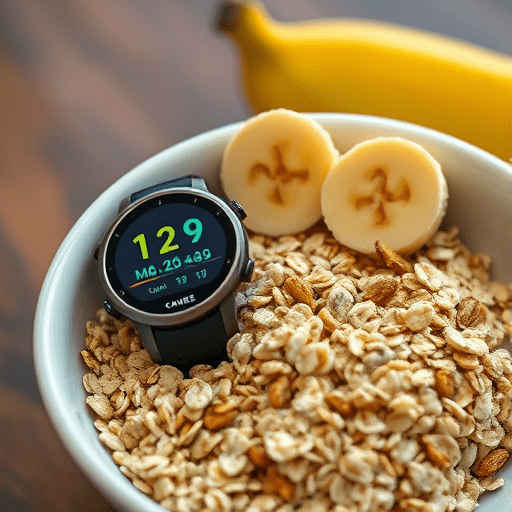
Morning dose with breakfast enhances absorption. Pair with prebiotic foods like oats or bananas for synergy.
- Weeks 1-2: 10 billion CFUs daily. Monitor digestion.
- Weeks 3-6: Increase to 20-30 billion. Add fermented foods.
- Race Week: Double dose three days prior, then taper.
For cyclists, take post-ride to combat oxidative damage. Runners benefit from evening doses for overnight repair.
Sample Weekly Protocol for a Half-Marathon Runner
- Monday: L. reuteri + yogurt
- Tuesday-Thursday: Multi-strain + banana
- Friday: Rest day, B. longum focus
- Weekend long run: Pre- and post-dose
Track progress with a journal: note energy, soreness, and stool quality.
Beyond Probiotics: Holistic Microbiome Tweaks
Probiotics shine with prebiotics and diet. Prebiotics are fibers that feed good bacteria.
Incorporate:
- High-fiber foods: Garlic, onions, leeks (inulin source).
- Fermented delights: Kefir, sauerkraut, kimchi.
- Polyphenol-rich: Berries, dark chocolate for microbial diversity.
Avoid overuse of NSAIDs like ibuprofen, which harm gut flora. Hydrate with electrolyte drinks containing glutamine for gut repair.
Cyclists: Experiment with plant-based diets. A 2023 study showed vegan endurance athletes had richer microbiomes, aiding recovery.
Risks, Side Effects, and When to Consult a Pro
Probiotics are generally safe, but start low to avoid bloating. Immunocompromised athletes should check with doctors.
Quality varies: Choose third-party tested brands like Garden of Life or NOW Foods.
If you have IBS or SIBO, probiotics might exacerbate symptoms initially. Work with a sports nutritionist for personalized plans.
Conclusion: Level Up Your Gut Game
The gut microbiome is the next frontier in endurance sports. Probiotic protocols from emerging research offer runners and cyclists tangible recovery gains.
Implement tweaks consistently, combine with smart nutrition, and watch PRs drop. Your gut isn’t just for digestion—it’s your secret weapon for peak performance.
Ready to experiment? Start with a multi-strain probiotic today and track your results over the next month.
Word count: 1127