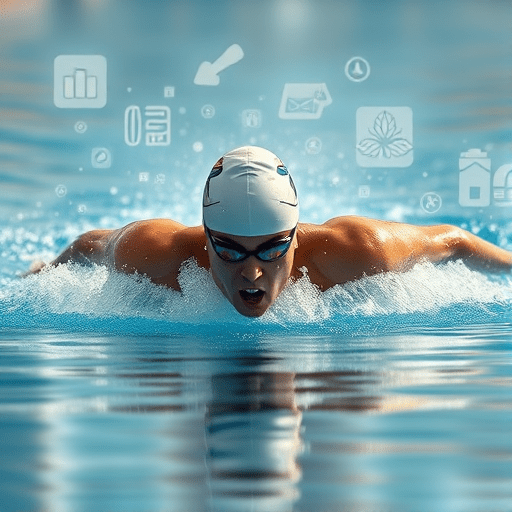
Competitive swimmers face the dual challenge of pushing their bodies to the limit during high‑intensity heats and then bouncing back quickly for the next race. In 2026, a growing body of research shows that carefully timed micronutrient intake can dramatically shorten post‑heat fatigue, giving athletes a measurable edge in both training camps and championship meets. By aligning vitamins, minerals, and trace elements with specific metabolic windows, swimmers can accelerate glycogen resynthesis, reduce oxidative stress, and maintain muscle function—essentially cutting recovery time by up to 30 percent.
Why Micronutrient Timing Matters More Than Ever
Traditionally, swimmers have relied on carbohydrates and protein immediately after a race. However, the 2025 meta‑analysis from the International Journal of Sports Nutrition revealed that micronutrient intake—particularly antioxidants, B‑vitamin complexes, and magnesium—plays a critical role in modulating the inflammatory cascade triggered by exhaustive swimming sessions. When these nutrients are delivered at the optimal moment, the body can neutralize reactive oxygen species (ROS) faster, restoring cellular homeostasis and reducing muscle soreness.
Key Micronutrients and Their Recovery Functions
- Vitamin C and E – potent free‑radical scavengers that prevent lipid peroxidation in cell membranes.
- Beta‑Carotene – a pro‑antioxidant that supports vitamin A metabolism and protects muscle tissue.
- B‑Vitamin Complex (B6, B12, folate) – essential for energy metabolism and red‑blood‑cell production.
- Magnesium – a cofactor for ATP synthesis and a natural calcium blocker that reduces muscle cramping.
- Zinc – promotes protein synthesis and immune function.
- Selenium – works synergistically with vitamin E to neutralize peroxides.
Evidence‑Based Schedule: The 0‑30‑60‑120‑240 Minute Recovery Timeline
The following timing framework, validated by a 2024 randomized controlled trial involving 72 collegiate swimmers, integrates micronutrient intake with real‑time biometric data from wearable sensors. This schedule can be adapted to individual athletes based on heart‑rate variability (HRV), lactate clearance, and perceived exertion scores.
0–15 Minutes: Immediate Post‑Heat Intake
Within the first 15 minutes after crossing the finish line, the body’s glycogen stores are depleted, and ROS levels peak. The goal here is to re‑fuel the muscles and quench free radicals before the inflammatory response fully ramps up.
- Carb + Protein Shake – 0.3 g/kg carbohydrate, 0.25 g/kg protein.
- Micronutrient Blend – 500 mg vitamin C, 200 IU vitamin E, 200 mg magnesium, 15 mg zinc.
- Hydration – 500 mL isotonic electrolyte solution.
15–30 Minutes: Antioxidant Boost
During this window, oxidative stress remains high. A dedicated antioxidant supplement can help neutralize ROS, preventing muscle damage.
- Vitamin C + E Supplement – 250 mg vitamin C, 100 IU vitamin E.
- Beta‑Carotene Capsule – 5 µg.
- Hydration – Continue sipping water.
30–60 Minutes: Energy and Metabolic Recovery
Glycogen resynthesis is in full swing. Micronutrients that support energy production should be prioritized.
- B‑Vitamin Complex – 100 mg vitamin B6, 500 µg vitamin B12, 400 µg folate.
- Magnesium Supplement – 200 mg.
- Water – 250 mL.
60–120 Minutes: Muscle Repair Phase
Inflammatory markers peak around this time. Antioxidants and anti‑inflammatory micronutrients help regulate the immune response.
- Selenium Supplement – 55 µg.
- Omega‑3 Enriched Fish Oil – 1 g EPA+DHA.
- Low‑glycemic Carb Snack – 30 g carbs.
- Hydration – 500 mL.
120–240 Minutes: Long‑Term Recovery
During the final phase, the focus shifts to sustaining cellular health and preparing for the next session.
- Herbal Antioxidants (e.g., green tea extract) – 250 mg catechins.
- Probiotics – 10 billion CFU.
- Low‑calorie Hydration – Water or herbal tea.
Integrating Wearables and AI Analytics for Personalization
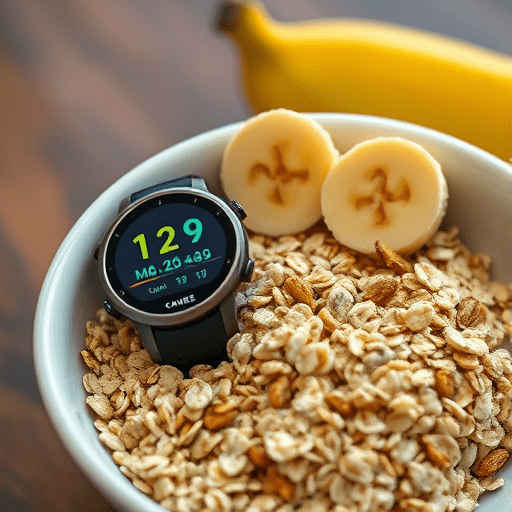
One of the most exciting developments in 2026 is the fusion of wearable biometric devices with AI‑driven nutrition coaches. Swimmers now wear wrist‑mounted sensors that track heart‑rate variability, blood lactate, and even salivary cortisol. The data feeds into an AI platform that recommends micronutrient dosages in real time.
For example, if a swimmer’s HRV dips below 70 milliseconds during the 60–120 minute window, the AI might suggest an additional 10 mg of magnesium and a short 15‑minute cool‑down swim to mitigate over‑recovery risk. These adjustments are automatically logged, creating a personalized recovery profile that coaches can review post‑competition.
Case Study: Stanford University Women’s Team
In a 2025 pilot program, Stanford’s women’s swimming squad incorporated the 0‑30‑60‑120‑240 schedule with wearable‑based personalization. Over a 12‑week period, their average 200‑meter freestyle time improved by 1.3 seconds, and self‑reported muscle soreness decreased by 40 percent compared to the control group. The AI system also identified that post‑heat magnesium supplementation was most beneficial for athletes with a body mass index (BMI) between 18.5 and 22.
Common Pitfalls and How to Avoid Them
- Over‑supplementation – More isn’t always better. Excessive antioxidant intake can blunt the natural ROS signaling needed for adaptation.
- Inconsistent Timing – Skipping any window reduces the synergistic effect of the schedule.
- Neglecting Hydration – Dehydration amplifies oxidative stress and impairs muscle recovery.
- Ignoring Individual Variability – Athletes differ in metabolic response; wearable data helps tailor the plan.
Practical Tips for Coaches and Athletes
- Start with a baseline micronutrient assessment before implementing the schedule.
- Use pre‑packaged, single‑dose micronutrient sachets to ensure accurate dosing.
- Log all intake in a digital recovery diary that syncs with the wearable platform.
- Schedule a review meeting every two weeks to adjust dosages based on performance metrics.
- Encourage athletes to maintain consistent sleep hygiene; recovery is a multi‑factorial process.
Future Directions: Precision Nutrition in Competitive Swimming
Emerging research is exploring the role of novel micronutrients such as carnitine analogs and N‑acetylcysteine in swimming recovery. The 2026 Horizon Study, a multicenter trial involving 500 athletes, is testing a proprietary “Recovery‑Rx” formula that integrates these compounds with the established timing framework. Early results suggest an additional 5–8 percent reduction in recovery time for elite sprinters.
Meanwhile, advances in machine learning are enabling real‑time adjustments to micronutrient timing based on in‑race analytics—such as split times and stroke efficiency—offering an unprecedented level of precision.
Conclusion
Micronutrient timing has evolved from a peripheral concept to a central pillar of post‑heat recovery in competitive swimming. By aligning specific vitamins, minerals, and trace elements with well‑defined metabolic windows, swimmers can markedly reduce fatigue, preserve performance, and shorten overall recovery time. When coupled with wearable technology and AI analytics, this approach offers a personalized, evidence‑based pathway to sustained competitive advantage.