Finding time to exercise is a perennial challenge for parents juggling work, household chores, and child care. A sustainable home gym routine for busy working parents doesn’t require a luxury schedule; it relies on micro‑habits, smart technology, and a mindset shift that turns a few minutes into lasting health gains. By breaking workouts into five‑minute segments, leveraging automated reminders, and creating a visual feedback loop, you can keep your fitness on track without sacrificing family time.
Why a Micro‑Habit Approach Works for Parents
Micro‑habits—tiny, easily doable actions—are especially powerful for people with irregular daily rhythms. For parents, the typical day is punctuated by unpredictable events: a toddler’s sudden nap, a child’s after‑school activity, or an urgent email. When the workout is reduced to a five‑minute burst, the commitment threshold drops dramatically. Studies show that habits formed in under ten minutes are three times more likely to stick than longer sessions. In essence, micro‑habits let you reap the benefits of consistent movement without demanding a block of uninterrupted time.
Step 1: Map Your Day and Identify “Micro‑Workout Windows”
The first technical step is to chart the day on a simple timeline. Highlight moments that naturally fit a quick workout: the 15‑minute coffee break, the 10‑minute car‑pooling pause, or the 5‑minute interval between school pickups. Use a digital planner—Google Calendar, Apple Calendar, or Microsoft Outlook—to block these slots as recurring events. Mark them with a distinct color so you can instantly see them against other commitments.
When you have a clear visual of available windows, you can start pairing a specific micro‑exercise with each slot. For instance, do a quick body‑weight circuit during the coffee break and a yoga stretch before bedtime. This pairing creates a cue‑action relationship that trains your brain to associate the time slot with movement, reinforcing the habit each day.
Step 2: Choose Technology That Sends Smart Reminders
Technology is the silent partner that ensures you don’t forget or skip a micro‑session. Here are three key tools:
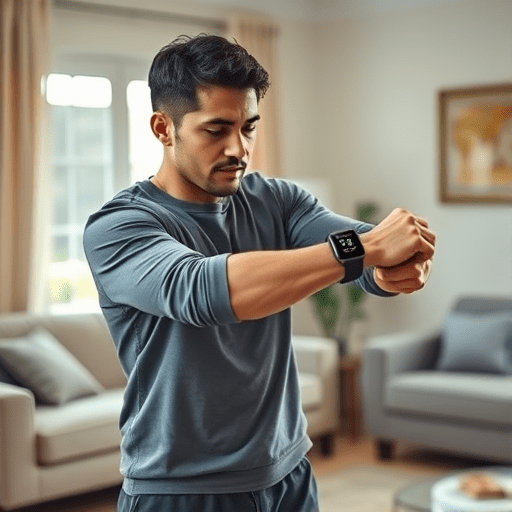
- Wearables: Smartwatches (Apple Watch, Fitbit, Garmin) can vibrate or display a subtle icon when your scheduled workout time approaches.
- Phone Apps: Habit‑tracking apps like Habitica, Streaks, or Loop allow you to set micro‑workout reminders that unlock a small reward each time you complete the task.
- Smart Home Devices: Alexa or Google Assistant can give verbal cues, or even light up a smart bulb in a specific hue to signal workout time.
Choose a device or app that aligns with your daily routine and that you are likely to check regularly. The goal is to embed the reminder into a habit you already perform—opening your phone, wearing a smartwatch, or hearing your home assistant greet you.
Step 3: Build a 5‑Minute “Micro‑Workout” Bundle
A micro‑workout should cover the major movement categories—warm‑up, core, strength, flexibility, and cool‑down—without overwhelming you. Below is a sample template you can rotate throughout the week:
- Warm‑Up (1 min): March in place, arm circles, shoulder rolls.
- Core (1 min): 30 seconds of planks, 30 seconds of bicycle crunches.
- Strength (1 min): 20 seconds of squats, 20 seconds of push‑ups (modified if needed), 20 seconds of glute bridges.
- Flexibility (1 min): 30 seconds of seated hamstring stretch, 30 seconds of standing quad stretch.
- Cool‑Down (1 min): Deep breathing, gentle neck rolls, brief gratitude moment.
Use a timer app on your phone or smartwatch to keep track of each segment. The strict timing turns the routine into a quick, almost game‑like experience, making it easier to stick to it. Rotate the order or add new exercises every two weeks to keep the routine fresh and engaging.
Step 4: Automate Your Routine with Schedules and Automation
Automation removes the manual step of remembering to start the workout. Pair your calendar events with automation tools such as IFTTT (If This Then That) or Zapier. Here’s how:
- Create a Zap that triggers when a calendar event titled “Micro‑Workout” starts.
- Set the Zap to send you a push notification, text message, or an Alexa voice command.
- Optionally, the Zap can also start a Spotify playlist of high‑energy tracks to keep you motivated.
Smart speakers can also play a role. Set a routine in Google Home that, at the scheduled time, says “Time to move!” and plays a short countdown timer. Because the automation is in place, the only thing you need to do is follow the cue and perform the micro‑workout.
Step 5: Create a Visual Progress Dashboard
Visual feedback is a powerful motivator. Use a spreadsheet (Google Sheets) or a dedicated habit tracker app to log each completed session. Include columns for date, time, type of micro‑workout, and a quick rating of how you felt afterward. Set up a simple graph that shows your streak of consecutive days.
Link this dashboard to a smart display (e.g., a Kindle Fire or a smart TV) in your kitchen or living room. Seeing a growing streak each morning can reinforce the habit and give you a tangible sense of accomplishment before you even get out of bed.
Step 6: Keep It Fun: Gamify, Social Accountability, Family Involvement
Gamification turns exercise into a playful challenge. Use an app that assigns points or badges for each completed micro‑session. Earn “Parent Power” badges for consistency, or “Family Fit” badges for coordinating a workout with your kids.
Social accountability can be leveraged by sharing your dashboard with a supportive friend or by joining an online community of parents who commit to similar routines. A quick group check‑in on a private Discord server or WhatsApp group can spark friendly competition and provide motivation.
Involve your children by turning the micro‑workout into a family game. For example, each parent and child can perform a quick set of squats while singing a short song. The kids love the playful element, and the parents stay on track. This synergy builds both fitness and family bonding.
Common Pitfalls and How to Avoid Them
- Over‑promising: Setting too many micro‑workouts per day can lead to fatigue. Stick to 1–3 sessions a day unless your body signals otherwise.
- Ignoring the cue: If the reminder feels intrusive, adjust the timing or switch to a less aggressive notification (e.g., subtle vibration).
- Skipping the cool‑down: Even a short cooldown prevents muscle soreness and improves flexibility. Always keep the final minute.
- Neglecting variety: Repeating the same routine can stall progress. Swap exercises every two weeks and challenge yourself with new movements.
- Inconsistent logging: If you fail to update the dashboard, the motivation drop may be faster. Set a brief 30‑second “log time” after each workout.
Conclusion
For working parents, a sustainable home gym routine is achievable when you treat fitness as a series of micro‑habits supported by smart technology. By mapping your day, automating reminders, and keeping workouts short and diverse, you create a realistic framework that respects both your family obligations and your health goals. Over time, these micro‑sessions accumulate into significant physical and mental benefits, proving that even the busiest parents can thrive with a well‑structured, tech‑enhanced home gym strategy.