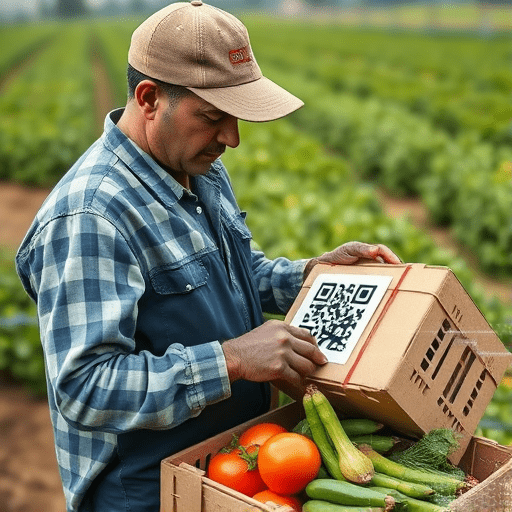
In an era where consumers demand end‑to‑end visibility and farmers seek to cut waste, Polygon traceability for local farms has emerged as a pivotal solution. By leveraging Polygon’s layer‑2 scaling, low‑fee architecture, and robust smart‑contract ecosystem, local food producers can now record every step of their produce’s journey—from seed to shelf—in a secure, tamper‑proof ledger. This article explores the specific features that make Polygon ideal for local supply chains, walks through a typical implementation roadmap, showcases real‑world successes, and looks ahead to the next wave of tech‑driven waste reduction.
Why Polygon Is a Game‑Changer for Local Food Traceability
Traditional traceability systems often rely on siloed spreadsheets or proprietary databases that are difficult to share across stakeholders. Polygon overcomes these limitations by offering a publicly verifiable chain that remains cost‑effective for small farms. Key benefits include:
- Scalability – Polygon’s Plasma and zk‑Rollup solutions handle thousands of transactions per second, essential for farms that generate daily batches of produce.
- Low Transaction Fees – Near‑zero gas costs mean that recording a QR code scan or a temperature log does not erode profit margins.
- Interoperability – Polygon’s EVM compatibility allows farms to integrate with existing ERP or supply‑chain software without rewriting code.
- Data Privacy Controls – While the ledger is transparent, on‑chain encryption lets farms restrict visibility to authorized partners.
Key Features of Polygon That Benefit Local Farms
Smart Contracts for Automated Quality Checks
Farmers can deploy immutable contracts that trigger alerts if a batch falls outside predefined temperature ranges. These contracts can automatically initiate re‑routes to local distributors, reducing spoilage.
QR Code‑Linked Metadata
Each produce crate can carry a QR code that, when scanned, pulls the entire chain of custody from the farm to the consumer. This not only satisfies regulatory requirements but also builds trust with eco‑conscious shoppers.
Immutable Audit Trails
Because every transaction is cryptographically signed, auditors can verify authenticity without the risk of back‑dating or tampering—critical for meeting certification standards like USDA Organic or Fair Trade.
Cross‑Chain Bridges for Regional Markets
Polygon’s bridges to Ethereum and Binance Smart Chain allow farms to collaborate with neighboring cooperatives that may operate on different blockchains, expanding market reach while keeping traceability intact.
Implementing a Polygon Traceability System in 2026
While the concept is straightforward, successful adoption requires a structured approach. The following roadmap outlines the major steps local farms should follow:
1. Onboarding and Education
Farm managers and field staff must understand the basics of blockchain, smart contracts, and how to use QR scanners. Workshops and short video tutorials can accelerate learning.
2. Data Capture Infrastructure
- IoT Sensors – Install temperature and humidity sensors on storage units.
- Mobile Scanners – Provide tablets or smartphones equipped with QR‑reading apps that automatically push data to the Polygon network.
- Use Data Integration APIs (placeholder) to sync with existing farm management software.
3. Smart Contract Development
Work with a blockchain developer to craft contracts tailored to the farm’s workflow. Contracts should handle:
- Batch creation and tagging
- Quality thresholds and automatic flagging
- Stakeholder access permissions
4. Testing and Pilot Launch
Run a small pilot with a single crop batch to validate data integrity, transaction speed, and user experience. Adjust contract parameters based on pilot feedback.
5. Full Rollout and Continuous Improvement
Scale to all production lines, integrate with local distributors, and set up real‑time dashboards for stakeholders. Regularly review audit logs and refine smart‑contract logic as new regulatory requirements emerge.
Real‑World Success Stories: From Farm to Table
Several local farms in the Pacific Northwest and the Midwest have begun integrating Polygon traceability in 2025, with impressive results:
- Green Valley Orchards – After implementing smart contracts for citrus harvests, they reported a 15% reduction in spoilage due to quicker temperature breach alerts.
- Riverbend Dairy Co‑op – By linking each milk batch to an on‑chain QR code, the co‑op increased consumer trust and secured a premium pricing tier in the regional grocery chain.
- HarvestHub Collective – Using Polygon’s cross‑chain bridge, the collective shared traceability data with a neighboring organic producer on Binance Smart Chain, expanding their combined distribution network by 20%.
Reducing Waste Through Real‑Time Visibility
One of the most compelling advantages of Polygon traceability is its ability to minimize waste at every stage:
- Real‑time Monitoring – Immediate detection of temperature excursions allows swift corrective action, preventing entire batches from spoiling.
- Optimized Routing – Smart contracts can automatically redirect surplus produce to nearby food banks or compost facilities before it degrades.
- Consumer Transparency – When shoppers see a detailed provenance report, they are more likely to choose local products, supporting shorter supply chains that inherently produce less waste.
Future Outlook: AI, IoT, and the Next Wave of Traceability
Looking ahead, the convergence of AI, IoT, and Polygon’s blockchain will push traceability to new heights. Predictive analytics can forecast spoilage risks, while AI-driven demand modeling can help farms adjust yields in real time. Coupled with Polygon’s scalability, these tools will enable hyper‑local markets to operate with near-zero waste and maximum transparency.
As 2026 unfolds, local farms that adopt Polygon traceability will not only meet evolving regulatory standards but also gain a competitive edge by offering consumers a level of transparency previously only seen in large corporates. By turning every crate into a data‑rich, immutable asset, Polygon is turning the local food supply chain into a resilient, waste‑free ecosystem.