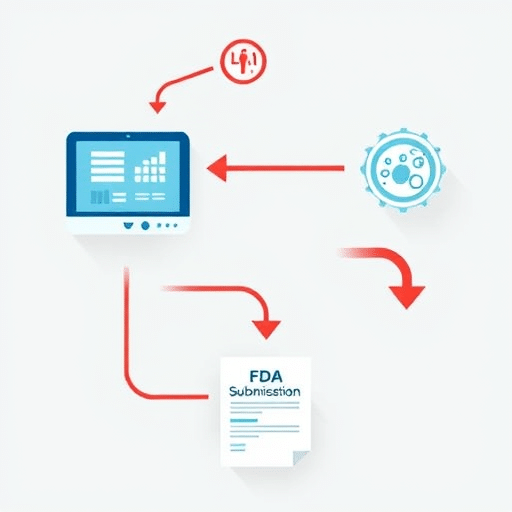
Securing reimbursement for a digital therapeutic in the European Union requires more than meeting the Medical Device Regulation (MDR) technical and safety criteria; it demands a carefully curated evidence package that satisfies both regulatory authorities and payers. In 2026, the convergence of stricter MDR enforcement and increasingly rigorous health technology assessment (HTA) frameworks means that developers must adopt a systematic, data‑driven strategy to demonstrate safety, effectiveness, and cost‑effectiveness. This blueprint lays out the essential steps—from pre‑submission to post‑market data collection—so that digital therapeutic innovators can navigate the dual requirements of EU MDR and payer evaluation with confidence.
1. Clarify the Regulatory Classification and Pathway
The first decision point is determining the device’s classification under MDR: Class I, IIa, IIb, or III. Digital therapeutics that directly influence patient care—such as those managing diabetes or depression—often fall into Class IIa or higher, triggering the need for a notified body review. Knowing the class shapes the quality management system (QMS) obligations, the extent of clinical data required, and the timeline for obtaining the CE mark.
1.1. Engage a Notified Body Early
- Choose a notified body with experience in software medical devices to streamline the assessment.
- Submit a technical file that clearly defines the intended purpose, risk analysis, and performance specifications.
- Leverage the notified body’s feedback to adjust the clinical evaluation plan before the full application.
1.2. Map the Reimbursement Landscape
While the MDR focuses on safety and performance, payers assess value, budget impact, and health outcomes. Each EU member state may have distinct HTA processes, so it’s prudent to identify the target markets early (e.g., Germany, France, the UK) and align the evidence package with their reimbursement criteria.
2. Build a Robust Clinical Evaluation Framework
Under MDR Annex II, a comprehensive clinical evaluation must demonstrate that the device meets its intended purpose. For digital therapeutics, this involves a mix of clinical studies, real‑world evidence (RWE), and post‑market surveillance (PMS). The following components form the backbone of the evidence package.
2.1. Pre‑Market Clinical Investigations
Design a randomized controlled trial (RCT) or pragmatic trial that mirrors the therapeutic pathway and endpoints required by HTA bodies. Key considerations include:
- Defining clinically meaningful endpoints (e.g., HbA1c reduction, PHQ‑9 score improvement).
- Selecting an appropriate comparator (standard of care, placebo, or active control).
- Ensuring statistical power to detect significant differences while minimizing patient burden.
- Incorporating a longitudinal follow‑up to capture durability of effect.
2.2. Real‑World Evidence Generation
Post‑market data can reinforce clinical claims and support payer negotiations. Adopt a data collection strategy that includes:
- Leveraging integrated health record analytics to track adherence, clinical outcomes, and adverse events.
- Using digital biomarkers—such as heart rate variability or activity levels—to provide objective efficacy measures.
- Implementing a patient‑reported outcomes (PRO) platform to capture patient‑centered metrics.
Compliance with GDPR and the European Health Data Space (EHDS) regulations is essential when handling patient data for RWE studies.
2.3. Post‑Market Surveillance and Vigilance
MDR requires continuous monitoring of device performance through PMS and vigilance reporting. For digital therapeutics, PMS includes:
- Automated telemetry of device performance metrics.
- User feedback loops for interface usability and engagement.
- Periodic safety updates and firmware patches documented in a risk management file.
Reporting to competent authorities and notifying the notified body of any major changes safeguards the CE mark and informs payers of ongoing safety.
3. Develop a Value Proposition Aligned with HTA Criteria
Payers assess clinical effectiveness, cost‑effectiveness, and organizational feasibility. A well‑structured value dossier should address these dimensions systematically.
3.1. Clinical Effectiveness Narrative
Translate clinical data into a clear narrative that demonstrates how the digital therapeutic achieves outcomes that standard care cannot. Use visual aids—graphs, decision trees—to illustrate clinical pathways and benefit thresholds.
3.2. Cost‑Effectiveness Analysis
Provide a health economics model (e.g., Markov model) that estimates incremental cost‑effectiveness ratios (ICERs) relative to existing therapies. Key inputs include:
- Direct costs: device purchase, subscription fees, clinician time.
- Indirect costs: productivity gains, reduced hospital admissions.
- Quality‑adjusted life years (QALYs) derived from PROs and clinical outcomes.
Highlight sensitivity analyses to demonstrate robustness under varying payer scenarios.
3.3. Feasibility and Implementation Blueprint
Showcase integration pathways into existing electronic health record (EHR) systems, interoperability standards (FHIR), and clinical workflow adaptations. Include:
- Technical deployment timelines.
- Training modules for clinicians and patients.
- Data governance frameworks ensuring compliance with EHDS.
Providing a realistic implementation roadmap reduces perceived risk for payers.
4. Align Documentation with International Standards
While MDR sets the baseline, harmonizing documentation with ISO 13485 (QMS), ISO 14971 (risk management), and ISO 62304 (software lifecycle) enhances credibility.
4.1. Quality Management System (QMS)
Implement a QMS that supports traceability from design to deployment. Include:
- Document control for all regulatory submissions.
- Change management protocols for software updates.
- Supplier risk assessment procedures for third‑party components.
4.2. Risk Management Lifecycle
Maintain a risk register that captures hazards, risk controls, and post‑market incidents. Use ISO 14971’s risk analysis matrix to quantify residual risks and justify risk mitigations.
4.3. Software Development Life Cycle (SDLC)
Adopt a model‑based SDLC that incorporates verification and validation at each stage. Documentation should include design specifications, code reviews, unit tests, integration tests, and user acceptance testing (UAT) logs.
5. Prepare for Payer Engagement Sessions
Once the evidence package is complete, the next step is engaging with payers through formal presentations and negotiations.
5.1. Structured Payer Briefing Deck
Create a concise deck that covers:
- Device overview and regulatory status.
- Clinical evidence summary.
- Economic model outcomes.
- Implementation strategy.
- Post‑market data plan.
Use visual storytelling to make complex data accessible.
5.2. Decision Analysis Simulation
Provide an interactive tool that allows payers to adjust parameters (cost, efficacy, prevalence) to see the impact on ICERs. This demonstrates transparency and facilitates trust.
5.3. Continuous Dialogue and Feedback Loop
Establish a formal feedback mechanism to capture payer concerns and adapt the evidence package accordingly. Promptly address unmet information gaps with supplemental studies or data analyses.
6. Leverage Digital Ecosystems for Accelerated Adoption
2026 sees increased adoption of digital health platforms that bundle therapy, monitoring, and reimbursement facilitation. Aligning with these ecosystems can streamline market entry.
- Integrate with national digital health registries for automated reporting.
- Partner with health insurance platforms that provide real‑time evidence aggregation.
- Adopt API‑first designs to facilitate future interoperability.
These strategies not only improve reimbursement prospects but also enhance patient engagement and data quality.
Conclusion
Achieving reimbursement for a digital therapeutic under EU MDR in 2026 requires a meticulous blend of regulatory compliance, robust clinical evidence, economic justification, and strategic payer engagement. By mapping the regulatory classification, assembling a comprehensive clinical evaluation, articulating a clear value proposition, and aligning documentation with international standards, developers can construct an evidence package that satisfies both regulators and payers. This blueprint offers a structured pathway to navigate the evolving landscape and secure market access for innovative digital therapeutics across the European Union.