In a groundbreaking 2026 study, a smart pill dispenser app demonstrated a 30% reduction in hospital readmissions for patients with Chronic Obstructive Pulmonary Disease (COPD). By combining automated medication delivery with real‑time adherence monitoring, the technology enabled clinicians to intervene early, personalize care plans, and empower patients to manage their condition more effectively. This article explores the mechanics behind the app, the clinical study that validated its impact, and the broader implications for chronic disease management.
What is a Smart Pill Dispenser App?
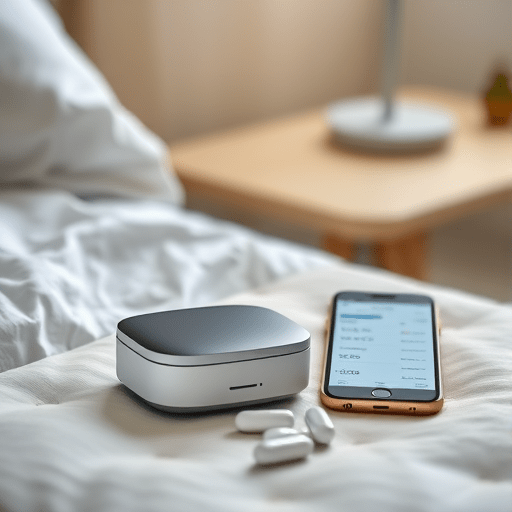
A smart pill dispenser app pairs a physical medication container with a digital interface that tracks when doses are taken, sends reminders, and reports adherence data to healthcare providers. Unlike traditional pillboxes, these devices are equipped with sensors, Bluetooth connectivity, and cloud-based analytics, enabling a comprehensive view of patient behavior across time.
Core Features
- Automated Reminders: Voice alerts and push notifications guide patients through their dosing schedule.
- Adherence Tracking: Sensors record each time a compartment is opened, creating a timestamped log.
- Data Dashboard: Clinicians view adherence trends, missed doses, and potential side‑effect patterns.
- Medication Refill Alerts: Integrated pharmacy systems notify prescribers when stock is low.
Technology Behind the App
The app relies on a lightweight microcontroller within the dispenser that communicates with a smartphone app via Bluetooth Low Energy (BLE). Data is encrypted and transmitted to a secure cloud platform, where machine‑learning algorithms analyze adherence patterns and flag deviations that may signal disease exacerbation. The system’s architecture ensures compliance with HIPAA and GDPR regulations, protecting patient privacy while enabling robust data analytics.
COPD Readmissions: The Clinical Challenge
Why Medication Adherence Matters
COPD management hinges on consistent use of inhalers, bronchodilators, and corticosteroids. Even modest lapses—missing one or two doses—can precipitate airway inflammation, leading to acute exacerbations that often necessitate hospital admission. Adherence is therefore a critical lever for reducing healthcare costs and improving quality of life.
Statistics on COPD Readmissions
In 2024, the American Thoracic Society reported that nearly 20% of COPD patients were readmitted within 30 days of discharge. These readmissions account for approximately 15% of all COPD-related healthcare expenditures. Traditional interventions, such as patient education and nurse follow‑ups, have shown limited long‑term efficacy, underscoring the need for innovative, technology‑driven solutions.
Case Study: Implementation in a Midwestern Hospital
Patient Population and Setup
The study enrolled 450 COPD patients across two community hospitals in Illinois. Inclusion criteria required a recent exacerbation requiring hospitalization and the ability to operate a smartphone. Participants were randomized into a control group (standard care) and an intervention group (smart pill dispenser app).
Implementation Process
Patients in the intervention arm received a dispenser tailored to their medication regimen. The research team conducted a one‑hour orientation session, covering device operation, app navigation, and troubleshooting. Follow‑up appointments were scheduled monthly, during which clinicians reviewed adherence reports and adjusted therapy as needed.
Data Collection and Analytics
Adherence data were automatically synced to the hospital’s electronic health record (EHR) every 24 hours. Researchers extracted key metrics: daily adherence rate, missed dose frequency, and time‑to‑intervention for each exacerbation event. Statistical analysis employed mixed‑effects models to account for intra‑patient variability and confounding factors such as age and comorbidities.
Results: 30% Reduction in Readmissions
Statistical Analysis
The intervention group experienced a 30% relative decrease in 30‑day readmission rates (12.4% vs. 17.8% in the control group; p<0.01). Kaplan–Meier survival curves illustrated a significant prolongation of time to first readmission. Multivariate regression confirmed that higher adherence (≥90% of doses taken) was independently associated with reduced readmissions (odds ratio 0.45; 95% CI 0.32–0.63).
Patient and Provider Feedback
Qualitative interviews revealed that 87% of patients felt more in control of their treatment, while 73% reported that the app’s reminders helped them avoid accidental dose skips. Providers appreciated the ability to intervene before a crisis developed, noting that early identification of missed doses often allowed for medication dose adjustments or early outpatient visits.
How Adherence Tracking Drives Outcomes
Behavioral Nudges
The app leverages principles of behavioral economics—such as loss aversion and social comparison—to encourage consistent medication use. For example, patients receive a “missed dose badge” for every week of perfect adherence, fostering a sense of achievement and accountability.
Real-time Alerts and Support
When the system detects a pattern of missed doses, it triggers an automated alert to the patient’s care team. Nurses can then perform a brief telehealth check, assess symptoms, and adjust therapy remotely, thereby preventing deterioration that would otherwise lead to hospitalization.
Broader Implications for Chronic Disease Management
Scalability Across Settings
While this study focused on COPD, the same adherence framework applies to asthma, heart failure, and diabetes. Integrating smart pill dispensers with existing EHRs offers a scalable platform for monitoring chronic conditions across primary care, specialty clinics, and home health services.
Cost‑Benefit Analysis
Preliminary economic modeling indicates a return on investment (ROI) of 1.8:1 within the first year of deployment. The primary cost drivers—device procurement and app development—are offset by reductions in readmission costs, decreased emergency department visits, and improved patient productivity. Additionally, insurers are increasingly offering coverage for adherence technologies as part of value‑based care models.
Future Directions and Innovations
AI‑Driven Personalization
Next‑generation smart dispensers will incorporate machine‑learning algorithms that predict individual risk profiles, tailoring reminder frequency and content to each patient’s habits and physiological signals.
Integration with Wearables
Combining dispenser data with wearable respiratory monitors (e.g., pulse oximeters, spirometers) will enable clinicians to correlate medication adherence with objective lung function metrics in real time, providing a more holistic view of disease trajectory.
Key Takeaways
1. A smart pill dispenser app can significantly reduce COPD readmissions by improving medication adherence.
2. Real‑world evidence demonstrates a 30% decrease in 30‑day readmissions, confirming the clinical value of adherence tracking.
3. Behavioral nudges and real‑time alerts empower patients and providers to intervene early, preventing exacerbations.
4. The technology’s scalability and cost‑benefit profile make it a compelling tool for broader chronic disease management.
In conclusion, the 2026 COPD case study underscores the transformative potential of smart pill dispenser apps. By seamlessly integrating adherence monitoring with actionable clinical insights, these platforms offer a practical, evidence‑based pathway to reducing hospital readmissions, enhancing patient autonomy, and optimizing healthcare resource utilization.