How Wearable Biomechanics is Revolutionizing Snowboarding: Real‑Time Coaching from Boot Sensors
In the high‑velocity world of snowboarding, milliseconds can separate a flawless run from a wipeout. Wearable biomechanics has stepped onto the slopes, offering snowboarders instant coaching through sensors embedded in their boots. By measuring stance, weight shift, and edge control, these smart boots deliver data in seconds, enabling riders to fine‑tune performance on the fly. In this article we dive into the technology, its benefits, real‑world applications, and future directions.
What Is Wearable Biomechanics in Snowboarding?
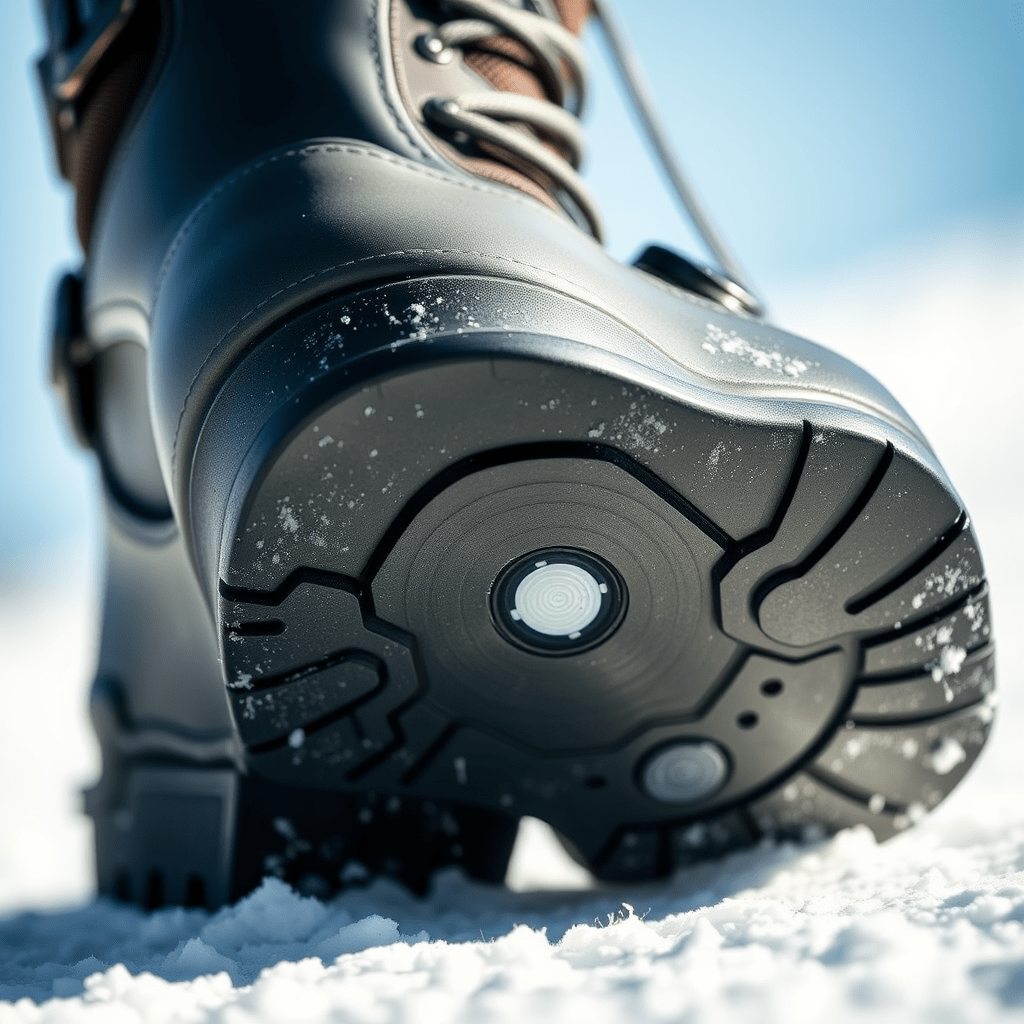
Wearable biomechanics refers to the integration of sensors and data analytics into apparel or equipment to monitor movement patterns, load distribution, and body mechanics. In snowboarding, the primary sensor platform is the boot—an object already essential to rider safety and performance. The boots now carry a suite of micro‑electromechanical systems (MEMS) that capture motion and pressure data, transmitting it to a handheld device or smartphone for analysis.
The Core Sensors Inside a Smart Boot
- Inertial Measurement Units (IMUs): 3‑axis accelerometers and gyroscopes track acceleration, tilt, and rotational speed.
- Pressure Sensors: Piezoelectric pads gauge foot placement, weight distribution, and dynamic shifts.
- Magnetometers: Provide orientation relative to Earth’s magnetic field, improving heading accuracy.
- Temperature & Moisture Sensors: Monitor boot conditions for comfort and safety.
When combined, these sensors produce a detailed map of the rider’s biomechanics, from the micro‑adjustments of a carving edge to the global stance shift when tackling a jump.
Real‑Time Coaching: From Data to Decision
The magic lies not just in data collection, but in the instantaneous feedback loop. With low‑latency wireless protocols (Bluetooth Low Energy, proprietary mesh networks), sensor data reaches a paired device within 50–100 milliseconds. Algorithms process this information and translate it into actionable insights:
- Stance Adjustments: Visual cues (e.g., color‑coded overlays) indicate whether the rider’s center of gravity is too forward or backward.
- Weight Shift Optimization: Auditory prompts (beeps) signal when the rider should lean left or right to maximize edge engagement.
- Edge Control Alerts: Haptic feedback via vibrating pads warns of under‑ or over‑carving.
- Progress Tracking: Graphs over a session show improvement trends, encouraging data‑driven practice.
These cues are designed to be non‑intrusive, ensuring riders can focus on the terrain rather than the screen.
How Snowboarders Benefit on the Mountain
1. Faster Skill Acquisition
Novice riders can see precisely how their body aligns with the board, correcting mistakes in real time. The immediacy of feedback replaces trial‑and‑error learning, shortening the time needed to achieve a solid stance.
2. Injury Prevention
Biomechanical data highlights over‑loading on joints, excessive torsion, or imbalanced weight distribution—common precursors to stress fractures or ligament strain. By adjusting stance proactively, riders reduce the risk of injury.
3. Performance Optimization
Advanced riders use the data to fine‑tune micro‑adjustments—shifting the center of gravity 1–2 cm for better carving, or timing weight transfer for jumps. The result is smoother turns, tighter carving, and more confident aerial maneuvers.
4. Training Efficiency
Coaches and instructors can review session data post‑run, identify persistent issues, and design targeted drills. This data‑driven approach cuts training time while boosting effectiveness.
Case Study: From Powder to Podium
Take Anna Keller, a 19‑year‑old alpine snowboarder who transitioned from a recreational rider to a World Cup competitor in 18 months. Anna adopted a sensor‑integrated boot kit from a leading sports tech company. Within the first month, she noted:
- Weight shift accuracy improved by 35%, reducing turn‑in time.
- Edge engagement increased, enabling higher speeds on groomers.
- Reduced time in the learning phase for switch stance, a notoriously difficult skill.
By the end of the season, Anna qualified for the World Championships, attributing her rapid progress to the real‑time coaching data she received every run.
Choosing the Right Wearable Biomechanics System
Not all smart boot systems are created equal. Here’s a quick guide for riders looking to invest:
- Sensor Accuracy: Look for units with ±0.02 g acceleration precision and ±0.5° rotational accuracy.
- Data Latency: Aim for under 100 ms from sensor to display.
- Battery Life: At least 6 hours of continuous operation to cover a full day.
- Software Integration: Compatibility with iOS and Android; support for third‑party analytics platforms.
- Durability: Water‑resistant enclosure, shock‑absorbing mounts to survive high‑impact falls.
Brands such as BoardSense, GluedGear, and PeakTech are leading the market, each offering unique features like AI‑driven coaching or integrated GPS tracking.
Beyond the Boot: The Ecosystem of Snowboarding Wearables
While the boot remains the centerpiece, a comprehensive biomechanical ecosystem includes:
- Smart Helmets: Pressure sensors on the crown detect impact forces, linking to the boot data to analyze body posture during crashes.
- Camera‑Linked Analysis: High‑speed cameras capture motion; computer vision aligns with boot sensor data for detailed joint kinematics.
- Cloud Platforms: Secure storage and AI analytics enable long‑term trend analysis and personalized coaching plans.
- Community Platforms: Social sharing of performance metrics encourages friendly competition and peer learning.
These components together create a holistic view of a rider’s biomechanics, pushing the boundaries of what’s possible in snowboarding training.
Future Trends in Wearable Biomechanics for Snowboarding
1. Predictive Analytics & AI Coaching
Machine learning models will anticipate a rider’s next move, offering proactive guidance—“lean forward now to prepare for the next turn.” This anticipatory coaching could be a game changer for high‑speed competitions.
2. Adaptive Boot Design
Boots with active stiffness modulation can adjust flex in real time based on stance data, providing optimal support during carving versus freestyle tricks.
3. Integration with Virtual Reality (VR)
VR simulators coupled with boot data could allow riders to practice complex runs indoors, analyzing biomechanics in a controlled environment.
4. Expanded Health Monitoring
Beyond performance, sensors could monitor physiological metrics (heart rate, respiration) to optimize training loads and prevent overtraining.
Conclusion
Wearable biomechanics is no longer a futuristic concept—it’s a tangible, everyday tool that’s reshaping how snowboarders learn, train, and perform. By embedding precise sensors into boots and delivering instant, actionable feedback, riders can fine‑tune their stance, shift weight more efficiently, and master edge control in real time. Whether you’re a beginner looking to shave months off your learning curve or an elite athlete aiming for that podium finish, the data from your boots is the next frontier in snowboarding excellence.
Elevate your snowboarding game with these cutting‑edge tech insights.