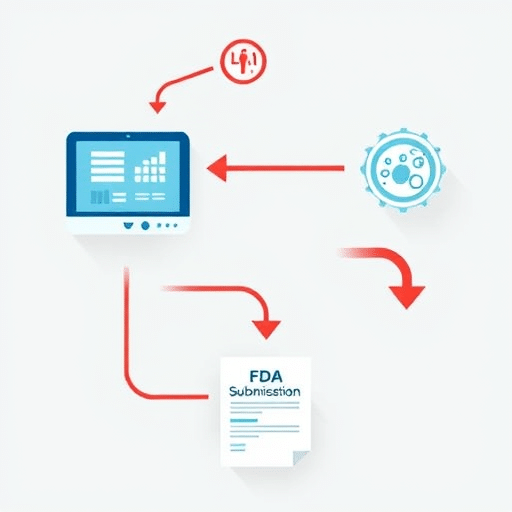
Predictive Sepsis Detection with AI-Enabled Wearables: How Continuous Monitoring Saves Lives
Predictive Sepsis Detection with AI-Enabled Wearables has emerged as a game‑changing technology in critical care. By continuously monitoring heart‑rate variability (HRV) and skin temperature, these wearables can flag a patient’s sepsis risk minutes before clinical deterioration, allowing for earlier intervention and dramatically improving outcomes. In this article, we dive into how the technology works, its clinical benefits, challenges, and the future landscape of AI-driven sepsis care.
What is Sepsis and Why Early Detection Matters
Sepsis is a life‑threatening organ dysfunction caused by a dysregulated response to infection. Early detection is crucial because the window for successful treatment narrows by the hour—mortality rates rise exponentially after the first 24 hours of onset. Traditional detection relies on intermittent vital sign checks and lab tests, which often miss the subtle, early physiological changes that precede overt symptoms. Predictive Sepsis Detection with AI-Enabled Wearables addresses this gap by providing continuous, real‑time data streams.
How AI-Enabled Wearables Work
At the heart of these devices is a combination of biosensors, data analytics, and cloud computing. The wearable captures raw physiological signals—primarily HRV and skin temperature—at high frequencies. These raw data are then transmitted via secure wireless protocols to a processing hub where advanced machine‑learning algorithms analyze patterns, detect deviations from baseline, and calculate a sepsis risk score.
Key Components
- Biosensors: Optical photoplethysmography (PPG) for HRV, thermistors for skin temperature.
- Edge Computing: On‑device preprocessing to reduce latency and protect patient privacy.
- Cloud Analytics: Aggregation of large datasets to refine predictive models over time.
Key Physiological Signals: HRV and Skin Temperature
Heart‑rate variability reflects the autonomic nervous system’s regulation of cardiac function. A rapid decline in HRV is one of the earliest indicators of systemic inflammation. Skin temperature, meanwhile, can reveal peripheral vasoconstriction or vasodilation—another hallmark of septic shock. By monitoring both signals simultaneously, AI models achieve higher sensitivity and specificity than single‑parameter approaches.
Machine Learning Models: Turning Data into Alerts
Predictive Sepsis Detection with AI-Enabled Wearables relies on supervised learning algorithms trained on millions of patient records. The models incorporate:
- Temporal feature extraction (e.g., rolling averages, acceleration of change)
- Multivariate correlation (linking HRV patterns with temperature trends)
- Contextual modifiers (age, comorbidities, medication history)
The output is a continuous risk score that clinicians can view on dashboards or receive via mobile alerts, enabling prompt assessment and intervention.
Clinical Implementation: From Bedside to Home
Integrating these wearables into patient care pathways involves coordination across multiple stakeholders. Hospitals can deploy the devices in ICUs and step‑down units, while post‑discharge care models can use them for remote monitoring of high‑risk patients.
Workflow Integration
- Alert Thresholds: Customizable per institution, balancing sensitivity and alarm fatigue.
- Clinical Decision Support: Automated recommendations for labs, imaging, or antibiotics.
- Data Governance: Compliance with HIPAA, GDPR, and other regulatory frameworks.
Studies show that early alerts lead to faster antibiotic administration and reduced ICU length of stay, demonstrating tangible benefits.
Benefits for Patients and Healthcare Systems
Both patients and providers stand to gain from AI‑enabled sepsis monitoring:
- Improved Survival: Early intervention reduces mortality by up to 30% in high‑risk cohorts.
- Reduced ICU Stays: Prompt treatment often shortens intensive care requirements.
- Cost Savings: Fewer organ failures and shorter hospitalizations translate to lower overall costs.
- Patient Empowerment: Continuous data foster engagement and adherence to follow‑up care.
Challenges and Ethical Considerations
Despite the promise, several hurdles must be addressed:
- Data Quality: Motion artifacts can degrade signal fidelity, necessitating robust filtering algorithms.
- Algorithm Bias: Models trained on limited demographics may underperform in underserved populations.
- Alert Fatigue: Excessive false positives can erode clinician trust; dynamic thresholding is essential.
- Privacy: Continuous biometric monitoring raises concerns about data ownership and misuse.
Transparent validation, continuous monitoring of model performance, and inclusive design are key to overcoming these challenges.
Future Directions and Emerging Trends
The field is evolving rapidly. Key areas of innovation include:
- Multimodal Sensing: Adding respiratory rate, blood pressure, and oxygen saturation for richer models.
- Federated Learning: Enabling hospitals to collaborate on model improvement without sharing raw data.
- Personalized Baselines: Adaptive algorithms that recalibrate to each patient’s unique physiological profile.
- Integration with Electronic Health Records (EHR): Seamless data flow for comprehensive clinical context.
These advancements promise to make sepsis detection even more accurate, faster, and accessible across diverse care settings.
Conclusion
Predictive Sepsis Detection with AI‑Enabled Wearables represents a paradigm shift in early sepsis management. By harnessing continuous heart‑rate variability and skin temperature monitoring, clinicians can detect the subtle physiological precursors of sepsis minutes before clinical deterioration. The resulting early interventions not only improve survival rates but also reduce healthcare costs and empower patients. As technology matures, addressing data quality, bias, and privacy will be essential to realizing the full potential of this life‑saving innovation.
Discover how AI‑enabled wearables can transform sepsis care today.