GPS Insoles Turn Strides into Live Performance Dashboards – The Next Frontier in Wearable Tech
In the age of hyperconnected gadgets, GPS insoles turn strides into live performance dashboards by mapping every footfall to real‑time training metrics. Imagine stepping onto the track and instantly seeing your pace, cadence, and stride efficiency reflected on your smartphone or smartwatch. This breakthrough technology blends precise location tracking with biomechanical analysis, offering athletes an unprecedented level of insight into their movements. Whether you’re a marathoner, a soccer player, or a casual runner, GPS insoles are poised to revolutionize how we train, recover, and prevent injury.
How GPS Insoles Work: A Technical Breakdown
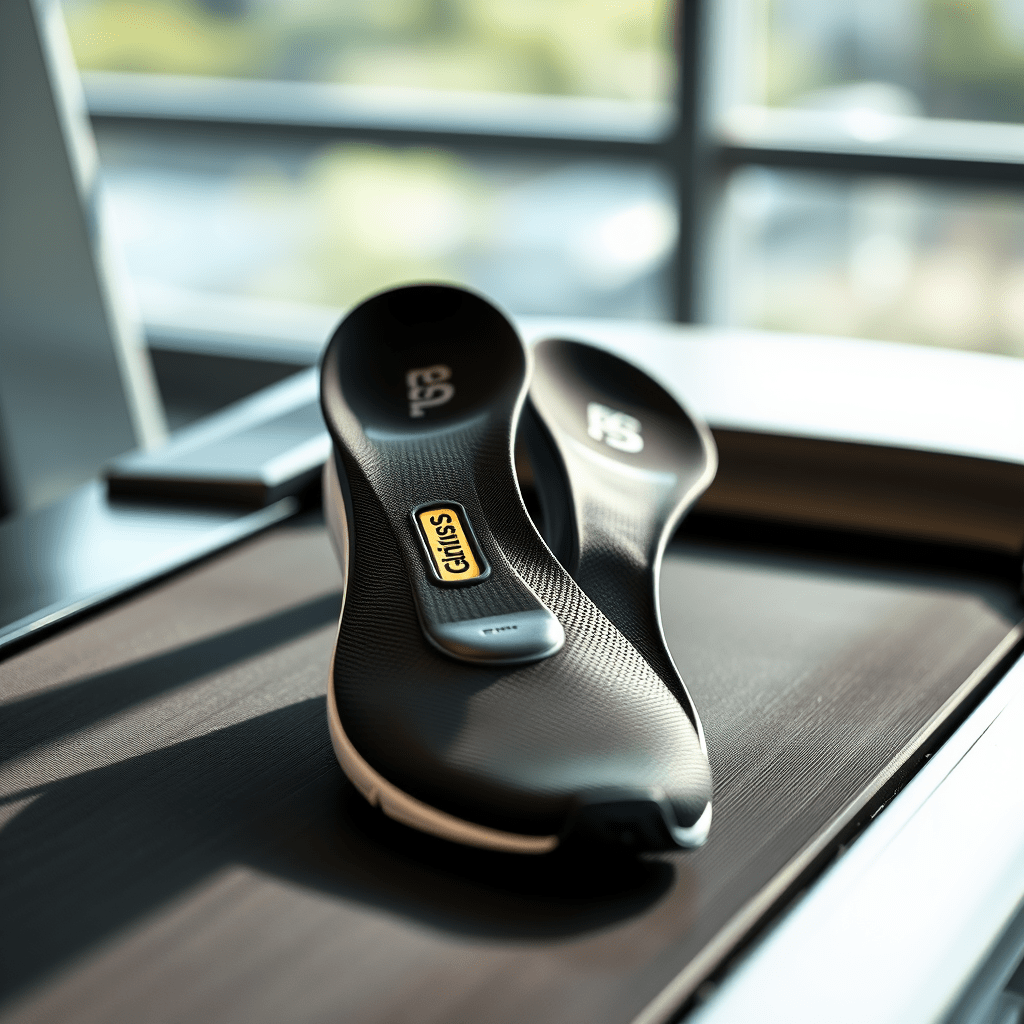
At their core, GPS insoles are a marriage of miniature satellite receivers, inertial measurement units (IMUs), and smart software. Here’s how they function:
- GPS Module: A lightweight GPS chip constantly receives satellite signals, determining your precise location and movement speed.
- IMU Sensors: Accelerometers, gyroscopes, and magnetometers track motion dynamics, capturing data on foot acceleration, tilt, and rotation.
- Pressure Sensors: Embedded in the sole, they measure ground contact force, helping calculate load distribution across your feet.
- Connectivity: Bluetooth Low Energy (BLE) or Wi‑Fi transmits data to a paired device in real time.
- Cloud & Analytics: Data is processed by cloud-based algorithms that filter noise, compute metrics, and visualize them on dashboards.
The synergy between GPS and IMU data allows the insoles to achieve sub‑meter positional accuracy while also providing a fine‑grained view of gait mechanics. The result? A comprehensive snapshot of your performance that was previously only possible with expensive lab equipment.
Key Performance Metrics Captured
Here are the most valuable metrics that GPS insoles track:
- Stride Length & Cadence: Real‑time calculation of each step’s length and overall cadence.
- Ground Contact Time: Measures how long each foot stays on the ground, informing speed and efficiency.
- Vertical Oscillation: Tracks vertical movement, indicating running economy.
- Pressure Distribution: Visualizes weight shift between forefoot, midfoot, and heel.
- Distance & Pace: Accurate measurement of distance traveled and instantaneous pace.
- Impact Acceleration: Monitors high‑force impacts that can lead to injury.
Real-Time Dashboards: Turning Data into Action
The real magic lies in how data is presented. Most GPS insole systems come with companion apps that turn raw numbers into intuitive dashboards. Coaches and athletes can now:
- Adjust Training on the Fly: If your cadence drops mid‑run, you can immediately modify pacing or technique.
- Track Recovery: Post‑workout dashboards show changes in ground contact time and vertical oscillation, indicating fatigue.
- Prevent Overuse Injuries: By monitoring impact acceleration, athletes can avoid repetitive strain.
- Compare Performance: Side‑by‑side graphs let you analyze different sessions or drills.
- Integrate with Other Platforms: Sync data with Strava, Garmin Connect, or training software like TrainerRoad.
Case Study: The Boston Marathon 2024
During the 2024 Boston Marathon, 12 elite runners used GPS insoles throughout the race. Data collected in real time revealed a 2% increase in stride efficiency on the final kilometer, correlating with faster finish times. Coaches praised the ability to see instant biomechanical feedback, allowing them to fine‑tune pacing strategies during the race.
Benefits Beyond the Track
While athletes are the obvious beneficiaries, GPS insoles offer value across various domains:
- Physical Therapy: Therapists can monitor patient gait recovery in daily life, not just in clinic sessions.
- Occupational Health: Workers in logistics or construction can track load distribution to prevent musculoskeletal disorders.
- Elderly Mobility: Monitoring gait stability helps detect fall risks early.
- Sports Analytics: Teams can gather detailed player movement data for performance analysis.
Implementing GPS Insoles in Your Training Routine
Adopting GPS insoles is simpler than you might think. Follow these steps to integrate them seamlessly:
- Choose the Right Pair: Look for insoles that match your activity level, foot size, and desired metrics. Some models are designed for high‑intensity sports, while others focus on walking and daily activity.
- Pair with Your Device: Install the companion app, connect via Bluetooth, and calibrate according to the manufacturer’s instructions.
- Set Baseline Goals: Input your current performance metrics (e.g., average pace, stride length) to establish a baseline.
- Start Small: Use insoles during a few training sessions to acclimate your body to the data stream.
- Review & Adjust: After each session, review the dashboard, note any anomalies, and adjust training loads or technique accordingly.
- Stay Consistent: Consistent data collection yields the most reliable insights.
Common Pitfalls to Avoid
- Ignoring Battery Life: GPS modules consume significant power. Plan training sessions around battery capacity or bring a portable charger.
- Over‑relying on Numbers: Data is an aid, not a replacement for intuition and experienced coaching.
- Misreading Metrics: Without proper context, metrics can be misleading. Pair insole data with video analysis when possible.
Future Trends: What’s Next for GPS Insoles?
As sensor technology and AI analytics advance, GPS insoles are poised for several exciting developments:
- Ultra‑Low Power Sensors: New chips will extend battery life, enabling multi‑week monitoring.
- AI‑Driven Coaching: Real‑time coaching cues delivered via haptic feedback or smart speaker alerts.
- Integrated Footwear: Smart shoes that embed insoles, eliminating the need for separate devices.
- Expanded Sensor Arrays: Incorporating temperature, sweat composition, and blood flow sensors for comprehensive health monitoring.
- Data Sharing Ecosystems: Seamless integration across health platforms, allowing researchers and clinicians to aggregate large datasets for population health studies.
Conclusion
GPS insoles that turn strides into live performance dashboards represent a paradigm shift in how athletes and non‑athletes alike understand movement. By combining precise GPS tracking with sophisticated biomechanical analysis, these devices deliver actionable insights in real time, empowering users to refine technique, optimize training, and reduce injury risk. Whether you’re racing for a personal best, managing a rehabilitation program, or simply tracking daily steps, GPS insoles provide a level of detail that was once confined to high‑end laboratories.
Explore the future of performance with GPS insoles today.