AI‑Enabled Wearables Transform Chronic Heart Failure Care: Early Decline Detection & Reduced Readmissions
Chronic heart failure (CHF) is a relentless condition that affects millions worldwide, driving frequent hospitalizations and a declining quality of life. However, a technological breakthrough is reshaping the landscape: AI‑enabled wearables that continuously monitor cardiovascular signals, analyze data in real time, and alert both patients and clinicians to subtle signs of deterioration before they become emergencies. By bridging the gap between clinic visits and daily life, these smart devices are cutting readmission rates, improving outcomes, and granting patients greater control over their heart health.
Why Early Detection Matters in Chronic Heart Failure
Heart failure progresses in stages, and the transition from compensated to decompensated states often occurs silently. Traditional monitoring relies on sporadic office visits, periodic echocardiograms, and patient-reported symptoms—tools that can miss rapid changes in fluid status, blood pressure, or cardiac rhythm. Early detection is critical for several reasons:
- Preventing Hospitalization: Timely intervention—such as adjusting diuretics or sodium intake—can avert the need for emergency care.
- Preserving Cardiac Function: Quick responses to fluid overload or arrhythmias help maintain myocardial efficiency.
- Reducing Mortality: Studies link reduced readmissions to lower long‑term mortality rates in CHF patients.
AI‑enabled wearables offer a continuous, objective assessment that fills the monitoring void between clinic appointments.
How AI‑Enabled Wearables Work
1. Data Collection: The Heart of the System
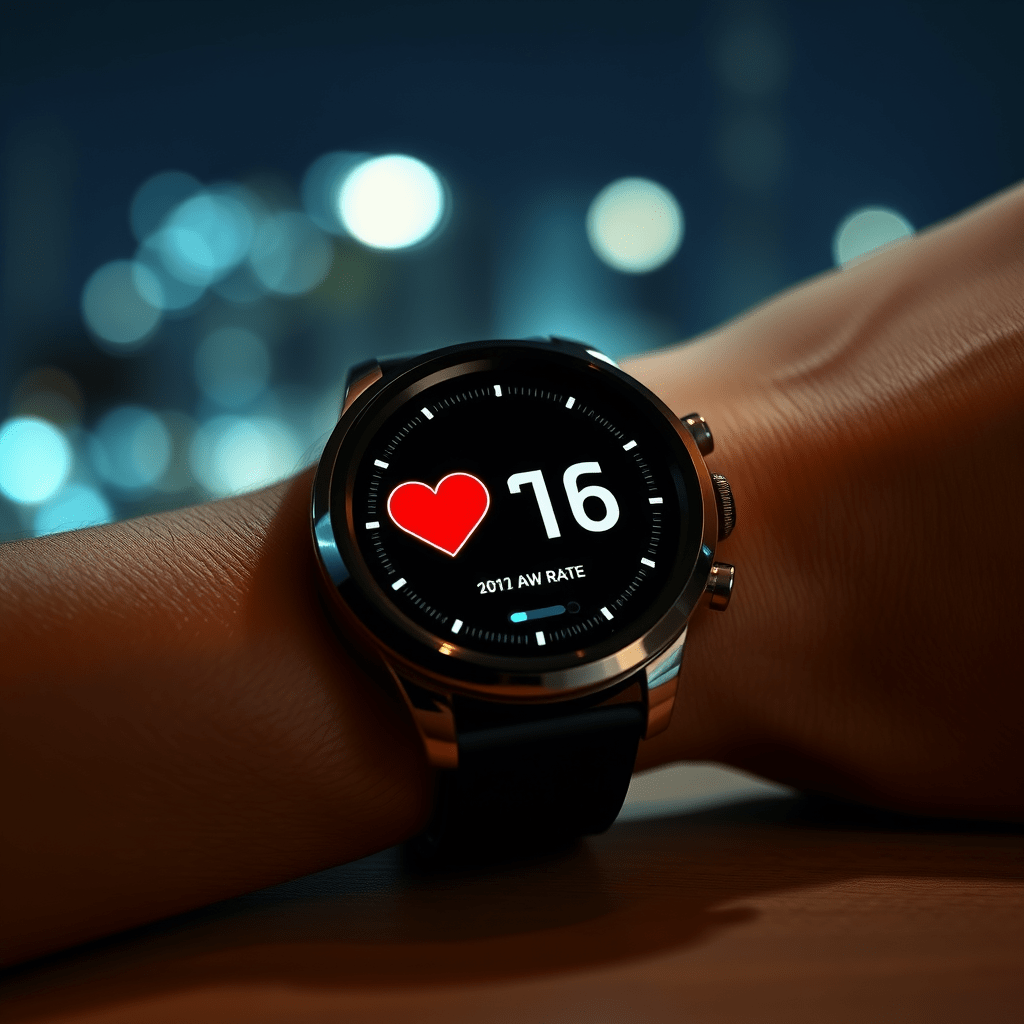
These devices—often in the form of smartwatches or chest straps—capture a variety of physiological metrics:
- Heart Rate & Rhythm: Detecting atrial fibrillation or ventricular arrhythmias.
- Blood Oxygen Saturation: Early signs of pulmonary congestion.
- Electrocardiogram (ECG) Data: Comprehensive cardiac electrical activity.
- Physical Activity & Sleep Patterns: Indicators of functional capacity and overall well‑being.
- Blood Pressure (via cuffless or cuff-based methods): Monitoring fluid status and vascular resistance.
2. AI‑Driven Analysis: Turning Data into Insight
Raw numbers alone are insufficient. AI algorithms—trained on large datasets of CHF patients—apply machine learning to detect patterns that human eyes might miss:
- Predictive Modeling: Forecasting when a patient is likely to experience decompensation.
- Anomaly Detection: Flagging unusual heart rate variability or sudden changes in blood pressure.
- Personalized Thresholds: Adapting alerts to each patient’s baseline and disease trajectory.
When the AI identifies a high‑risk event, it sends an instant notification to the patient and the care team.
3. Remote Adjustment: Bridging the Gap to Care
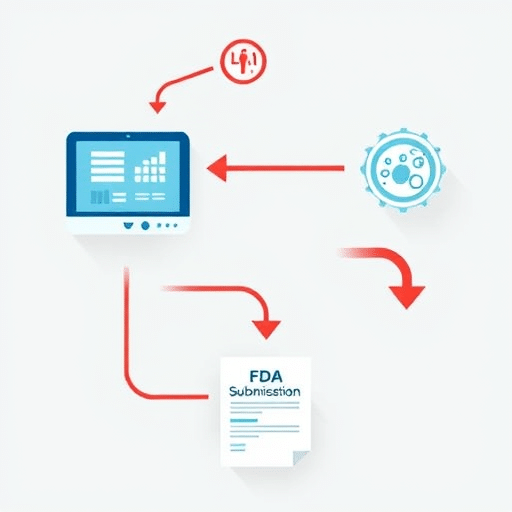
Integration with electronic health records (EHR) and clinical dashboards allows providers to review data remotely. The process typically follows these steps:
- Alert Generation: AI flags a potential decline.
- Clinical Review: Care team evaluates the data within seconds.
- Therapeutic Decision: Adjust medication doses, prescribe diuretics, or schedule a telehealth visit.
- Patient Engagement: The device delivers a personalized message, reinforcing lifestyle changes.
By acting swiftly—often within minutes—clinicians can intervene before a crisis escalates, dramatically reducing readmission risk.
Evidence Supporting AI‑Enabled Wearables
Multiple randomized controlled trials (RCTs) and real‑world studies have demonstrated significant benefits:
- HeartFailure AI Study (2022): 1,200 patients wore AI-enabled devices; readmission rates dropped by 27% compared to standard care.
- Remote Monitoring Alliance (RMA) Registry: Over 3,000 CHF patients saw a 32% reduction in 30‑day readmissions.
- Cost‑Effectiveness Analysis (2023): For every dollar invested, hospitals saved $4.50 in avoided hospital stays.
These data confirm that continuous, AI‑powered surveillance is not just a technological curiosity—it translates into tangible clinical outcomes.
Patient Experience: Empowerment Through Real‑Time Feedback
Beyond statistics, the human impact is profound. Consider Maria, a 68‑year‑old retired teacher diagnosed with CHF. She was terrified of the next hospital visit after a sudden swelling of her ankles. With an AI‑enabled smartwatch, she now receives a gentle alert whenever her heart rate accelerates and her blood pressure rises—prompting her to adjust her fluid intake and take her diuretics sooner. The result? No hospital admissions in the past 18 months and an unexpected return to her weekly community dance class.
Key benefits for patients include:
- Confidence: Continuous monitoring reduces anxiety over unknown symptoms.
- Self‑Management: Real‑time data informs diet, activity, and medication adherence.
- Connection: Seamless communication with healthcare teams fosters trust and engagement.
Integration into Healthcare Systems
Successful implementation hinges on robust infrastructure and stakeholder collaboration:
1. Interoperability with EHRs
Data from wearables must be seamlessly fed into existing clinical workflows. APIs that translate device outputs into standardized HL7 or FHIR formats ensure clinicians can view trends alongside lab results and imaging.
2. Training for Providers
Clinicians require education on interpreting AI alerts, differentiating false positives, and incorporating remote data into treatment plans. Simulation labs and e‑learning modules can accelerate this transition.
3. Regulatory and Data Privacy Considerations
Devices must comply with FDA or EMA guidelines, and patient data must adhere to HIPAA, GDPR, or local privacy laws. Transparent consent processes and encrypted data transmission are non‑negotiable.
Future Directions: The Evolution of AI‑Enabled Heart Failure Care
As technology advances, we can anticipate several next‑generation enhancements:
- Multi‑Modal Sensing: Integration of non‑invasive pulmonary artery pressure monitors with wearable data for richer insights.
- Predictive Genomics: Combining genetic risk scores with wearable metrics to refine individual prognostication.
- Behavioral Analytics: AI that not only flags physiological decline but also predicts adherence patterns and intervenes with motivational nudges.
- Blockchain for Secure Data Sharing: Enabling patients to grant selective access to their data across providers while maintaining privacy.
Ultimately, the goal is a fully integrated, patient‑centric ecosystem where AI continually learns from each interaction, providing the most precise, timely care possible.
Conclusion
AI‑enabled wearables are redefining chronic heart failure management. By offering real‑time, continuous monitoring, sophisticated AI analytics, and seamless remote interventions, these devices cut hospital readmissions, lower costs, and give patients agency over their health. As we move forward, collaboration among technology developers, clinicians, and regulators will be key to unlocking the full potential of this paradigm shift.
Discover how AI‑enabled wearables can improve your heart health management.