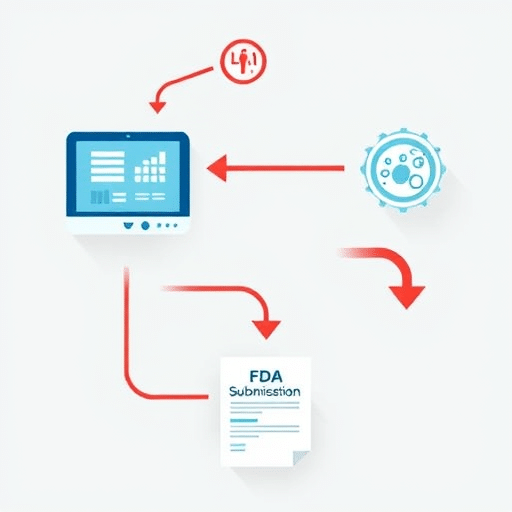
AI-Driven Telehealth Platforms Redefine Chronic Disease Management: How Adaptive Algorithms Personalize Care in Real Time
The Rise of AI-Enabled Telehealth in Chronic Care
For decades, chronic disease management has relied on periodic clinic visits, paper records, and static treatment protocols. In recent years, the convergence of artificial intelligence (AI) and telehealth has introduced a dynamic alternative. AI-driven telehealth platforms redefine chronic disease management by continuously collecting patient data, analyzing patterns, and delivering tailored interventions without the need for a physical appointment. This shift not only streamlines workflows for clinicians but also empowers patients to manage their conditions from the comfort of their homes.
Adaptive Algorithms: The Engine Behind Real-Time Personalization
At the core of these platforms are adaptive algorithms that learn from each interaction. Unlike rule-based systems, adaptive AI adjusts its recommendations based on real-time data—blood glucose readings, blood pressure, medication adherence, sleep quality, and even voice tone. Over time, the algorithm recognizes individual variability, predicting exacerbations before they become emergencies. This level of personalization transforms standard care into a responsive, data-driven partnership between patient and provider.
Key Features of Adaptive AI Telehealth Platforms
- Continuous Monitoring: Wearable sensors and mobile apps feed a steady stream of physiological metrics.
- Predictive Analytics: Machine learning models forecast risk events, such as heart failure decompensation.
- Dynamic Care Pathways: Treatment plans evolve in response to real-time data rather than fixed schedules.
- Patient Engagement Tools: Automated reminders, chatbots, and gamified goal tracking keep users motivated.
- Clinical Decision Support: Clinicians receive actionable alerts and evidence-based recommendations.
Impact on Patient Outcomes
Clinical studies demonstrate that AI-driven telehealth reduces hospital readmissions by up to 30% for heart failure patients and improves glycemic control in type 2 diabetes. The platform’s ability to detect subtle shifts—such as a gradual rise in resting heart rate—allows for preemptive medication adjustments or lifestyle counseling. Patients report higher satisfaction because they feel monitored and supported continuously, not just at quarterly visits.
Cost Savings for Healthcare Systems
Reducing readmissions translates directly into cost savings. A 2023 health economics review found that for every dollar invested in AI-enabled telemonitoring, health systems saved an average of $2.50 in avoided inpatient costs. Moreover, streamlined workflows free clinicians to focus on complex cases rather than routine follow-up. Telehealth also eliminates travel costs for patients, lowering indirect expenses and improving adherence.
Case Study: Managing Chronic Obstructive Pulmonary Disease (COPD)
One leading integrated health system deployed an AI-driven telehealth platform for COPD patients. The algorithm analyzed spirometry data, activity levels, and medication usage. Within six months, readmission rates dropped from 15% to 9%, and patients reported a 20% improvement in perceived quality of life. The success hinged on the system’s ability to trigger timely inhaler reminders and adjust anti-inflammatory therapy based on inflammatory biomarkers.
Ethical and Privacy Considerations
With great power comes great responsibility. Adaptive AI systems collect sensitive health data, raising concerns about data security, informed consent, and algorithmic bias. Providers must ensure robust encryption, transparent data usage policies, and regular audits of AI decision-making. Additionally, care should be taken to prevent disparities—algorithms trained on limited datasets may underperform in underrepresented populations.
Integration with Existing Electronic Health Records (EHR)
Seamless integration is essential for adoption. Most AI-telehealth platforms use interoperable standards such as HL7 FHIR, enabling bidirectional data exchange with EHRs. This integration ensures that clinicians can view AI-generated insights alongside traditional chart information, facilitating comprehensive care planning. It also supports population health dashboards that aggregate data across cohorts for quality improvement initiatives.
Future Directions: From Chronic Disease to Precision Wellness
As AI models become more sophisticated, the boundary between chronic disease management and preventive wellness will blur. Predictive analytics could anticipate the onset of conditions like hypertension before clinical thresholds are met, allowing early intervention. Moreover, integrating genomic data and social determinants of health could refine risk stratification, creating truly personalized health pathways.
Getting Started: Choosing the Right Platform
Healthcare organizations looking to adopt AI-driven telehealth should evaluate platforms on several criteria:
- Data Provenance: Verify the breadth and depth of datasets used to train the AI.
- Clinical Validation: Look for peer-reviewed studies demonstrating efficacy.
- Regulatory Compliance: Ensure the platform meets HIPAA, GDPR, and relevant local regulations.
- User Experience: Assess the patient portal’s usability and accessibility.
- Support & Training: Confirm vendor offers robust onboarding for clinicians and IT staff.
Engaging a multidisciplinary team—including clinicians, data scientists, and patient advocates—will help tailor the platform to your organization’s unique workflow and population needs.
Conclusion
AI-driven telehealth platforms are not a distant vision—they are actively reshaping chronic disease management today. By harnessing adaptive algorithms that personalize care in real time, these solutions improve patient outcomes, reduce costly readmissions, and bring cost savings to healthcare systems. As technology advances, the partnership between patients and clinicians will become more collaborative, data-informed, and patient-centered than ever before.
Discover how adaptive AI can transform your practice—schedule a demo today.