Smart Sleep Pods: Wearable‑Integrated Sleep Environments Redefine Rest
In a world where sleep quality is increasingly linked to productivity, mood, and long‑term health, smart sleep pods are emerging as the next frontier of personal well‑being. By fusing wearable technology with adaptive lighting, precision temperature control, and real‑time biometrics, these pods create a responsive sanctuary that tailors every night to an individual’s unique physiological needs. This article explores the science, design, and future of these wearable‑integrated sleep environments, illustrating how they are turning ordinary bedrooms into personalized sleep optimization centers.
What Are Smart Sleep Pods?
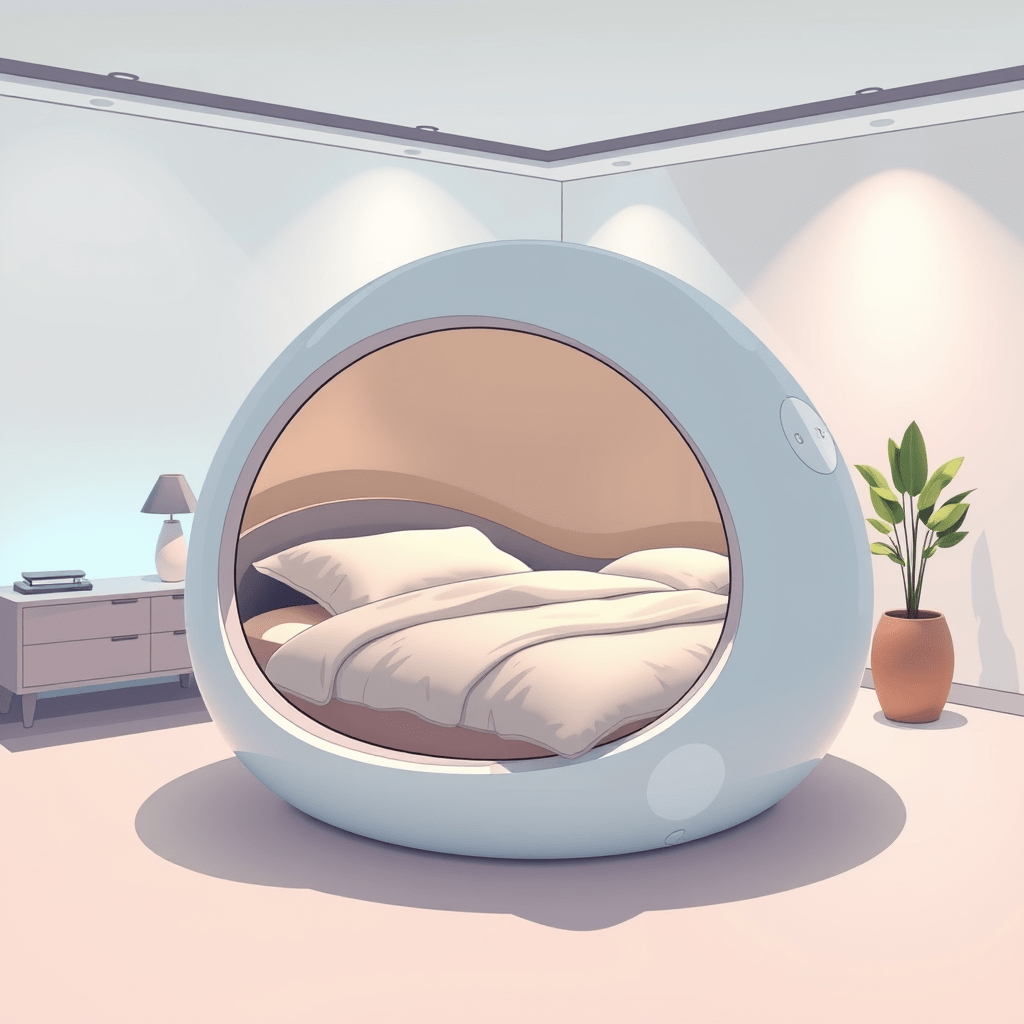
A smart sleep pod is more than a mattress or a blanket. It’s a complete, autonomous sleep ecosystem that monitors, analyzes, and adjusts the bedroom environment in real time. At its core, the pod integrates:
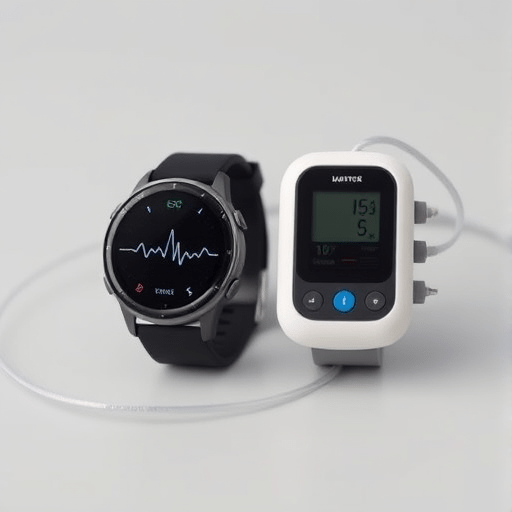
- Wearable sensors that track heart rate, respiration, skin temperature, and movement.
- Ambient adaptive lighting systems that modulate wavelength and intensity.
- Precision temperature control that maintains optimal comfort across the night.
- AI‑driven algorithms that synthesize data and enact environmental changes automatically.
Users simply lie down, wear a discreet sensor band, and the pod takes care of the rest—ensuring that every minute of sleep is optimized for depth, quality, and restorative benefits.
Wearables: The Brain of the Pod
Wearable devices serve as the pod’s “brain,” feeding real‑time data into the system. Modern wearables boast high‑resolution sensors capable of measuring:
- Heart rate variability (HRV)
- Respiratory rate and pattern
- Core body temperature
- Sleep stages via EEG or actigraphy
By correlating these metrics with environmental variables, the pod can detect when the body is entering REM or deep sleep and adjust lighting or temperature accordingly. For example, a sudden rise in heart rate during a dream sequence might trigger a soft blue light to soothe the nervous system, promoting a quicker return to restorative stages.
Adaptive Lighting: The Silent Wake‑up Call
Light is one of the most potent regulators of our circadian rhythm. Smart sleep pods employ spectrally tuned LEDs that emit wavelengths matching the body’s natural light preferences at different times of the night.
- Warm, dim hues (2700–3000K) encourage melatonin production at night.
- Subtle blue‑rich light (460–480nm) during early REM stages helps stabilize brain activity.
- A gentle green tint (530–560nm) during wakeful moments can reduce cortisol spikes.
Beyond color, the pod dynamically modulates brightness based on ambient noise and movement. If a sleeper stirs during deep sleep, the system can gradually brighten to simulate sunrise, ensuring a smooth transition to wakefulness without abrupt shocks.
Temperature Control: Cooling Comfort
Core body temperature drops by 1–2°C during the deepest phases of sleep. Smart pods mimic this natural dip by employing thermochromic materials and cooling fans that adjust to the user’s current stage.
- During light sleep, the pod maintains a neutral temperature (~21°C).
- As the sleeper enters deep sleep, the system lowers the ambient temperature by up to 2°C.
- If the wearable detects a rise in core temperature due to stress or illness, the pod deploys a micro‑ventilation system to dissipate heat.
Some models even integrate humidity sensors to maintain optimal moisture levels, preventing dry air that can irritate the skin and airways.
Real‑Time Biometrics: The Sleep Concierge
The fusion of wearable data and environmental controls creates a sleep concierge—an AI engine that acts like a personal sleep coach. Key functions include:
- Predictive analytics: By learning individual sleep patterns over weeks, the pod predicts the optimal sleep architecture for each night.
- Personalized bedtime recommendations: If the pod notices a trend of fragmented sleep due to late-night screen use, it can suggest a dimming schedule or a pre‑bedtime relaxation routine.
- Health alerts: Persistent disruptions may trigger a notification to healthcare providers or suggest an adjustment in medication or therapy.
These features position the pod not just as a passive device, but as an active participant in the sleeper’s overall wellness strategy.
Integration and User Experience
Design-wise, smart sleep pods prioritize unobtrusiveness. Many models feature a sleek, low‑profile base that blends seamlessly with existing bedroom furniture. The wearable component—often a slim armband or wristband—uses skin‑friendly conductive fabrics to avoid discomfort.
Connectivity is another critical layer. Pods typically integrate via Wi‑Fi, Bluetooth, and sometimes Zigbee, ensuring data flows securely to the user’s smartphone or cloud dashboard. Users can monitor sleep trends, adjust settings manually, or export data for medical professionals.
Potential Health Benefits
Research on personalized sleep environments is still emerging, but early studies highlight several promising benefits:
- Improved sleep efficiency (percentage of time spent asleep while in bed).
- Reduced sleep latency (time to fall asleep).
- Lower night‑time awakenings and fewer episodes of sleep fragmentation.
- Better cardiovascular markers, including decreased resting heart rate and improved HRV.
- Potential mental health improvements due to enhanced REM consolidation.
For individuals with chronic insomnia, sleep apnea, or shift‑work disorders, these pods could serve as complementary tools alongside traditional therapies.
Challenges and Future Outlook
Despite their promise, smart sleep pods face several hurdles:
- Cost Barrier: Current models can exceed $2,000, limiting widespread adoption.
- Privacy and data security concerns regarding continuous biometric monitoring.
- Regulatory approval for medical claims, especially for treating sleep disorders.
- Need for standardized protocols to ensure interoperability between devices and health records.
Looking ahead, advances in low‑cost sensors, edge computing, and open‑source firmware could drive down prices and broaden accessibility. Collaborative efforts between tech firms, sleep researchers, and healthcare providers are likely to yield evidence‑based guidelines that will shape how these pods are marketed and integrated into clinical practice.
Conclusion
Smart sleep pods represent a convergence of wearable technology, environmental science, and artificial intelligence to deliver a truly personalized sleep experience. By continuously monitoring physiological signals and dynamically adjusting lighting, temperature, and ambient conditions, these pods aim to optimize every minute of sleep, promising improved health outcomes and a better quality of life. As the technology matures and becomes more affordable, we can expect smart sleep pods to move from niche luxury items to mainstream staples in homes worldwide.
Ready to transform your nights? Explore the future of sleep today.