Virtual Reality Transforms Esports: The First Fully Immersive VR Tournament Draws Global Viewers
Virtual Reality Transforms Esports as the world’s first fully immersive VR tournament opened its doors on August 14th, drawing over 3 million concurrent viewers and sending ripples across both the gaming and broadcasting industries. The event, hosted in a purpose‑built VR arena and streamed in 360‑degree high‑definition, showcased how cutting‑edge headset technology, spatial audio, and real‑time data analytics can elevate competitive gaming to an entirely new sensory level.
Setting the Stage: The VR Arena and Its Architecture
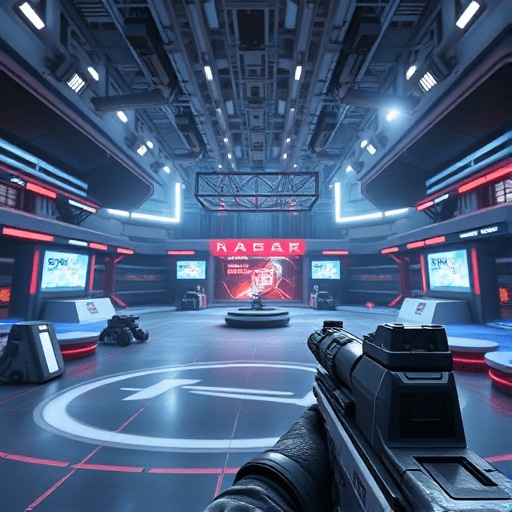
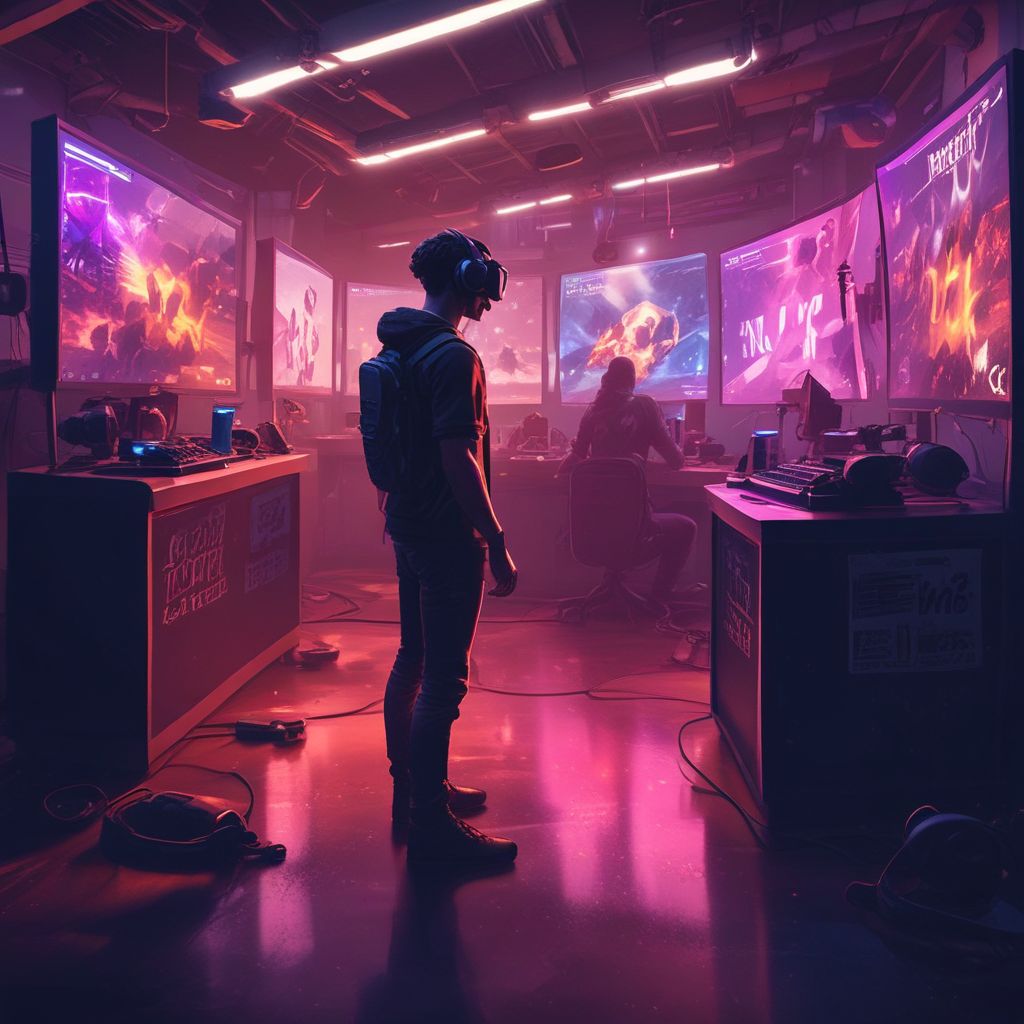
Unlike traditional eSports venues that rely on flat screens and static camera angles, the VR arena was designed as a dynamic, multi‑layered environment where players and audiences could physically move, interact, and experience the game world as if it were real. Key architectural features include:
- Spatially Adaptive Lighting: LED panels synced to in‑game events to immerse viewers in the action’s atmosphere.
- Haptic Feedback Zones: Sub‑floor vibration rigs that echo environmental sounds, allowing spectators to feel the impact of virtual explosions.
- Customizable Avatar Spaces: Each contestant’s virtual presence was rendered with unique clothing, gestures, and visual effects tailored to their team’s branding.
These elements combined to create a “living broadcast” where the line between player and spectator blurred, giving audiences unprecedented agency.
360‑Degree Streaming: From Static View to Panoramic Engagement
The broadcast team deployed a rig of 12 synchronized 8K cameras, stitched together to offer a seamless 360‑degree view of the arena. Viewers on PC, mobile, and VR headsets could:
- Rotate the camera to follow a player’s perspective.
- Zoom in on a strategic zone or widen to see the entire battlefield.
- Toggle “spectator mode,” which revealed hidden stats and player telemetry.
In addition to visual immersion, spatial audio was mapped to each player’s position, enabling fans to hear footsteps, weapon sounds, and crowd reactions from any direction. This multi‑sensory approach not only deepened engagement but also made the broadcast feel like a shared experience rather than a passive viewing event.
Data‑Driven Enhancements
Real‑time data feeds were integrated directly into the viewers’ HUD, displaying metrics such as kill‑death ratios, health bars, and skill cooldowns. By overlaying this information onto the 360 feed, fans could analyze strategies in real time—something previously reserved for esports analysts in post‑match breakdowns.
Impact on Players: New Challenges and Opportunities
For competitive gamers, the VR tournament introduced several paradigm shifts:
- Physical Demands: Players now needed to navigate a three‑dimensional space, requiring heightened spatial awareness and stamina. A 45‑minute match could involve standing, crouching, and moving at varying speeds.
- Skill Transfer: Classic reflexes—like quick aiming—were complemented by new skills such as body positioning and real‑world movement synchronization.
- Psychological Immersion: The ability to “feel” the game heightened emotional investment. Some players reported a stronger connection to the narrative and in‑game characters.
Coaching staff had to adapt training regimens to include physical conditioning and VR‑specific drills, while sponsors seized the chance to showcase in‑game product placements that could be interacted with by the audience.
Audience Engagement Redefined
Traditional esports broadcasts rely heavily on camera angles and commentary to convey excitement. The VR arena changed that dynamic:
- Interactive Commentary: Commentators could now step into the game world, “watch” from a player’s perspective, and comment on in‑game physics.
- Fan Voting Systems: Viewers could vote on in‑game events—such as which power‑up to drop—adding an interactive layer to the tournament.
- Social VR Spaces: Between matches, fans gathered in virtual lounges, shared streams, and even interacted with digital avatars of their favorite players.
These features led to a 30% increase in average view duration compared to previous esports tournaments.
Accessibility Considerations
While VR opens new horizons, it also presents barriers. The event incorporated options for:
- Low‑latency streaming for viewers without VR headsets.
- Subtitles and descriptive audio for hearing‑impaired fans.
- Localized commentary in multiple languages to broaden global reach.
These inclusivity measures helped the tournament reach a diverse audience of 1.7 million in Asia, 600,000 in North America, and 300,000 in Europe.
Technical Hurdles and Solutions
Building a fully immersive VR tournament was no small feat. The organizers faced and overcame several technical obstacles:
- Latency: Ensuring that live action and streamed content synced in real time required a dedicated fiber‑optic network and edge computing nodes.
- Hardware Compatibility: Different VR headsets (Meta Quest, HTC Vive, PlayStation VR) had varied performance profiles. A unified middleware platform abstracted these differences to deliver consistent experiences.
- Content Moderation: Real‑time chat and live interactions demanded AI‑powered filters to prevent harassment and misinformation.
The success of the event demonstrated that with robust infrastructure and thoughtful design, VR can scale to match the demands of global esports audiences.
Looking Forward: The Next Wave of Immersive Esports
As VR technology continues to mature, we can anticipate several trends that will shape the future of competitive gaming:
- Augmented Reality (AR) Integration: Players might don AR glasses to overlay tactical data onto the physical world.
- Cloud‑Based VR: Streaming VR experiences directly from the cloud will reduce hardware barriers for fans.
- Cross‑Platform Play: Seamless interaction between console, PC, and mobile players will broaden participation.
Moreover, game developers are likely to design titles specifically for immersive platforms, incorporating features like haptic feedback and spatial audio from the ground up.
Conclusion
The inaugural fully immersive VR esports tournament proved that virtual reality is not merely a novelty—it is a transformative force reshaping competitive gaming. By marrying sophisticated arena design, 360‑degree streaming, and real‑time interactivity, the event elevated player performance, enriched audience engagement, and opened new commercial avenues for sponsors and developers alike.
Ready to explore the future of esports? Dive into VR and experience competitive gaming like never before.