Virtual Reality Arcade: Recreating 80s Classics in Immersive 3D – A Look at How VR Is Reviving Nostalgic Gaming Experiences
In a world where gaming has evolved from pixelated screens to hyper‑realistic open worlds, a new wave of Virtual Reality Arcade venues is turning back the clock—yet forward at the same time. By re‑imagining beloved 1980s arcade titles in fully immersive 3D environments, these arcades are offering a fresh, tactile experience that resonates with both seasoned veterans and a new generation of players. This article explores how VR is resurrecting iconic classics, the technology powering these transformations, and what this means for the future of nostalgic gaming.
The Birth of a Nostalgic Revival
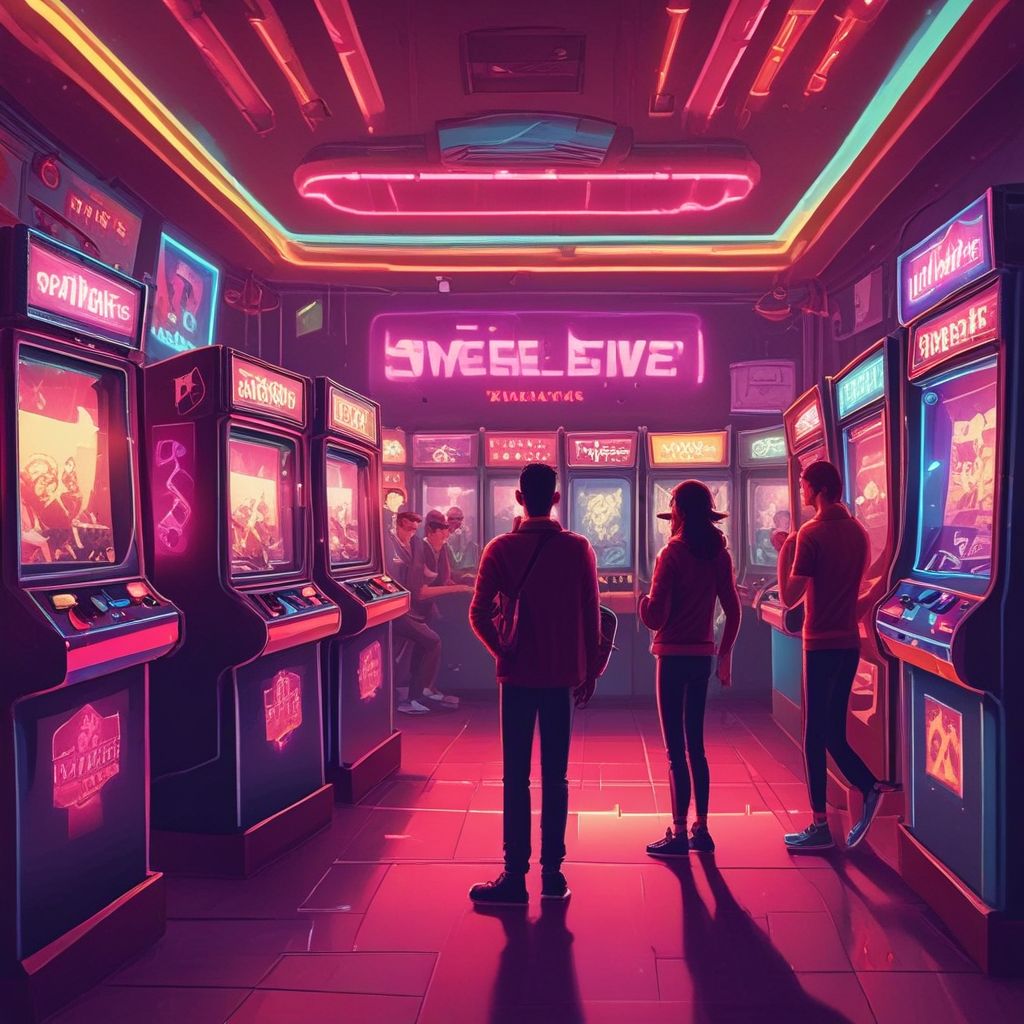
The 1980s were a golden age for arcade games: neon lights, chiptune soundtracks, and the intoxicating buzz of cabinet coin‑punching. As home consoles and mobile gaming became dominant, many of those experiences slipped into obscurity. The resurgence began when developers realized that the original joy came not just from the gameplay mechanics but from the physical presence—punching the joystick, feeling the vibration of a cabinet, and the communal buzz of a crowded arcade.
Virtual Reality Arcade venues, such as Retro VR Hub in Los Angeles and ArcadeXperience in Tokyo, have built upon that memory by creating 3D spaces that mirror the aesthetic of the era. These venues are not mere emulators; they translate 2D pixel art into spatial experiences, allowing players to step inside the game world itself.
Why 80s Classics Work So Well in VR
- Simple, iconic gameplay is easy to understand, making it accessible to newcomers while still challenging enough for veterans.
- Visual familiarity triggers nostalgic memories, which is psychologically rewarding when experienced in an immersive setting.
- Social interaction is amplified in VR arcades—players can see each other’s avatars, compete for high scores, and share moments in real time.
- Technological constraints of the 80s (limited color palettes, lower resolution) actually make the translation to VR simpler; the low detail allows developers to focus on motion and sound.
From 2D to 3D: The Technical Backbone
Recreating an 80s arcade title in VR involves more than just adding depth to a sprite. Developers must rethink level design, physics, and interaction paradigms. Below are the key technical components that bring these classics to life.
1. Asset Reconstruction
Original art assets are often low‑resolution or vector‑based. VR requires high‑poly models and textures that can be rendered in real time without sacrificing fidelity. Artists use procedural generation and AI‑assisted upscaling to transform 8-bit sprites into 3D meshes that still retain the iconic look.
2. Motion Controls and Input Mapping
Classic arcade cabinets used joysticks, buttons, and sometimes trackballs. In VR, these inputs are mapped to handheld controllers, gloves, or full‑body tracking systems. For example, the classic Pac‑Man is now navigated with a motion‑controlled “pac‑controller” that mimics the feel of the original stick while adding a subtle tilt for immersive depth.
3. Audio Engineering
Chiptune music defined 80s gaming soundtracks. VR revivals keep these melodies but layer them with spatial audio techniques, allowing players to hear the retro beats from different directions. Some titles also incorporate haptic feedback, translating the feel of a high‑score beep into a subtle vibration through the controller.
4. Network and Social Features
While many original arcade games were single‑player, modern VR arcades introduce co‑op or competitive modes. The underlying multiplayer framework uses low‑latency networking protocols, ensuring that split‑second timing remains critical. Leaderboards and social sharing tools let players brag about their high scores on social media directly from the arcade.
Case Studies: VR Arcade Staples
Let’s dive into some of the most popular VR reboots and see how they blend nostalgia with new technology.
1. Space Invaders: Cosmic Rift
Space Invaders was a staple of the 80s, and its VR counterpart turns the familiar alien swarm into a sprawling, three‑dimensional battlefield. Players now physically dodge incoming waves while firing from a virtual shoulder‑mounted turret. The game uses haptic straps to simulate the recoil of each shot, adding a visceral layer absent in the original.
2. Donkey Kong VR: Jungle Run
Instead of simply scaling a vertical platform, players climb through a 3D jungle environment, avoiding barrels that roll in unpredictable patterns. The VR version adds environmental hazards like falling vines, turning a straightforward platformer into a dynamic obstacle course. A leaderboard tracks the highest levels reached, while a “retro‑mode” option lets players view the classic pixel art overlay.
3. Galaga: Neon Skies
Galaga’s iconic bullet‑hell gameplay is reimagined with full 360° camera movement. The cockpit view provides a first‑person perspective, allowing players to dodge enemy fire with natural body movements. The game’s soundtrack uses spatial audio to place each enemy’s signature “swoosh” sound around the player, intensifying the thrill.
Business & Community Impact
VR arcades are not just a nostalgic trip; they are thriving businesses. The immersive nature of these venues creates a premium experience that commands higher ticket prices than typical gaming centers. According to industry reports, a typical VR arcade can generate up to $10,000 per month in ticket sales alone, with additional revenue from merch, private events, and sponsorships.
Community-wise, these arcades become social hubs where players of all ages gather. Many venues host retro‑gaming nights, speed‑run competitions, and even themed parties where participants dress as characters from the 80s. This social component fosters a sense of belonging that extends beyond the individual game.
Future Directions: From Nostalgia to Innovation
While the current focus is on faithfully recreating classic titles, the next wave of VR arcades may blend nostalgia with entirely new experiences.
- Hybrid Games: Combining classic gameplay with modern narrative elements, such as a story‑driven Pac‑Man that adapts to player choices.
- Cross‑Platform Integration: Linking VR arcade scores with cloud leaderboards that sync across mobile and console platforms.
- Procedural Retro Worlds: Generating endless, procedurally‑generated levels inspired by 80s aesthetics, ensuring each playthrough is unique.
Conclusion
The rise of Virtual Reality Arcades dedicated to 80s classics shows that nostalgia is a powerful driver of engagement when paired with modern technology. By re‑imagining pixelated adventures in immersive 3D, these venues not only honor the past but also push the boundaries of interactive entertainment. Whether you’re a retro enthusiast or a VR newcomer, stepping into these virtual time capsules offers an unforgettable journey into the golden age of gaming.
Explore the next level of nostalgia today.