Blockchain‑Powered Consent Management: Revolutionizing Patient Data Privacy in Telehealth
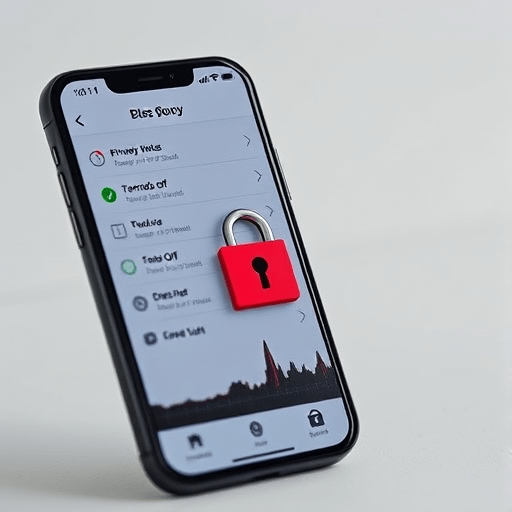
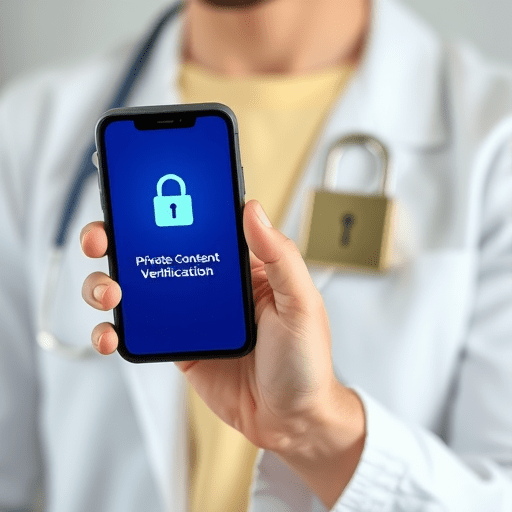
In the rapidly evolving world of telehealth, blockchain‑powered consent management has emerged as a groundbreaking solution that puts patients back in the driver’s seat of their personal health information. By leveraging distributed ledgers, this technology offers granular, auditable control over who can access medical records, ensuring privacy, transparency, and compliance across digital care platforms.
1. The Telehealth Landscape and Data Privacy Concerns
The shift to virtual care accelerated by the COVID‑19 pandemic has brought incredible benefits—faster access to specialists, reduced travel burdens, and cost savings. Yet, it has also amplified data privacy challenges. Telehealth apps collect sensitive data ranging from vital signs to video conversations, often transmitted over multiple third‑party services. Patients frequently feel uncertain about who is reviewing their records, how the data is stored, and whether it is shared without explicit permission.
Key Data Privacy Issues in Telehealth
- Unclear consent procedures across platforms
- Inconsistent data governance policies
- Potential for unauthorized access or data breaches
- Limited audit trails for data usage
- Compliance gaps with HIPAA, GDPR, and other regulations
2. Why Blockchain? The Technical Edge
Blockchain technology is renowned for its decentralization, immutability, and cryptographic security—features that align perfectly with the stringent requirements of patient data privacy. Unlike traditional centralized databases, a blockchain distributes data across a network of nodes, making it nearly impossible to tamper with without consensus.
Core Blockchain Advantages for Consent Management
- Immutable audit trails: Every consent action is recorded on the ledger, providing an incontrovertible history of approvals and revocations.
- Granular control: Patients can grant or restrict access to specific data types (e.g., lab results vs. imaging) using smart contracts.
- Real‑time transparency: Access logs are instantly visible to stakeholders, reducing the risk of covert data sharing.
- Interoperability: Smart contracts can be designed to communicate across disparate health IT systems, enabling seamless consent enforcement.
- Reduced single points of failure: Decentralization mitigates the risk of large‑scale data breaches.
3. How Blockchain‑Powered Consent Works
The architecture of a blockchain‑based consent system typically involves the following components:
3.1 Patient Wallets
Patients hold a digital wallet that stores cryptographic keys and manages their consent preferences. The wallet interface is designed to be user‑friendly, often integrated into a mobile app or web portal.
3.2 Smart Contracts for Consent Rules
These self‑executing contracts encode the conditions under which data can be accessed. For example, a smart contract might allow a cardiologist to view ECG data only if the patient’s consent is active and the appointment date has passed.
3.3 Data Tokens
Patient data can be tokenized—converted into unique digital assets—on the blockchain. When a provider requests access, the smart contract verifies that the patient’s tokens (representing the data) have the appropriate permissions.
3.4 Auditing and Revocation
Every access event is logged on the ledger, creating an immutable record. Patients can revoke consent at any time, and the system automatically updates the smart contract to block further access.
4. Real‑World Implementations and Case Studies
4.1 MedTechChain: A Nationwide Telehealth Initiative
In 2024, MedTechChain partnered with a leading hospital network to pilot a blockchain consent platform across 200 telehealth providers. The system reduced consent‑related disputes by 78% and cut administrative overhead by 35% within the first six months.
4.2 HealthAccess: Blockchain for Chronic Disease Management
HealthAccess deployed smart contracts to manage consent for patients with diabetes and hypertension. The platform enabled real‑time data sharing with endocrinologists while ensuring that insulin dosage logs remained accessible only to licensed pharmacists. Patients reported higher trust levels in their care teams, and the provider’s compliance audit scores improved.
5. Benefits for Patients and Providers
5.1 Empowered Patient Autonomy
Patients gain unprecedented control over their data, deciding who sees what and for how long. This transparency builds trust and encourages engagement in their own care.
5.2 Streamlined Compliance
Immutable audit trails simplify regulatory reporting. Providers can quickly demonstrate adherence to HIPAA, GDPR, and emerging data protection frameworks.
5.3 Reduced Administrative Burden
Automated consent workflows eliminate manual forms, reducing paperwork and freeing clinicians to focus on patient care.
5.4 Enhanced Data Security
Decentralization and cryptographic safeguards lower the risk of data breaches, protecting both patients and providers from costly incidents.
6. Challenges and Regulatory Considerations
While the promise of blockchain‑powered consent is substantial, several hurdles must be addressed:
6.1 Scalability
Public blockchains can face transaction throughput limits. Hybrid or permissioned solutions are often adopted to ensure timely consent updates.
6.2 Interoperability with Legacy Systems
Integrating blockchain layers with existing Electronic Health Record (EHR) systems requires robust APIs and mapping standards.
6.3 Legal Recognition of Smart Contracts
Regulatory bodies are still clarifying the legal status of digital contracts. Ongoing dialogue between technologists and lawmakers is essential.
6.4 Patient Digital Literacy
Ensuring that all patients can navigate wallet interfaces is critical to avoid exacerbating health inequities.
7. The Future of Consent Management in Telehealth
As telehealth matures, we anticipate a hybrid ecosystem where blockchain‑based consent seamlessly blends with AI‑driven personalization. Predictive analytics could anticipate when patients might need to modify consent settings—for instance, before a medication change—while smart contracts enforce those preferences automatically. Additionally, cross‑border data sharing will benefit from standardized blockchain protocols, making international teleconsultations more secure and compliant.
In short, blockchain‑powered consent management is not merely a technical upgrade; it is a cultural shift toward a patient‑centric data ecosystem that respects privacy, promotes trust, and aligns with global regulatory trends.
By embracing this technology, telehealth providers can transform how consent is managed—making it transparent, auditable, and truly patient‑controlled.
Ready to explore blockchain solutions for your telehealth platform? Dive deeper into the possibilities and join the next wave of patient‑centric care.