AR Glasses Capture Eye‑Tracking Metrics as Digital Endpoints for Glaucoma Progression
AR glasses capture eye‑tracking metrics as digital endpoints for glaucoma progression represent a breakthrough in ophthalmology research. By harnessing advanced computer vision and sensor fusion, these smart wearable devices convert subtle eye movements into precise, continuous data streams that clinicians can use to monitor visual field loss in real time. This article explores how this technology works, why it matters for clinical trials, and what researchers need to know to integrate it successfully into their protocols.
How Eye‑Tracking Works in AR Glasses
Modern AR glasses are equipped with miniature infrared cameras and inertial measurement units (IMUs) that track gaze direction, fixation stability, and saccadic velocity. The cameras capture the pupil and corneal reflections, while the IMUs provide head orientation data. By applying sophisticated algorithms—often leveraging machine learning—these inputs are combined to determine where a wearer is looking with millisecond precision.
When a user engages with a visual task—such as scanning a screen for target icons—the glasses record the entire sequence of eye movements. This raw data is then filtered to isolate metrics that correlate with visual field sensitivity, including fixation duration, reaction time, and the spatial distribution of gaze. In the context of glaucoma, changes in these metrics can precede subjective symptoms, offering a window into early disease progression.
Digital Endpoints: What They Mean for Glaucoma
In clinical research, a digital endpoint is an objective, quantifiable measure derived from digital technology that reflects disease status or treatment effect. For glaucoma, traditional endpoints rely on Humphrey visual field (HVF) tests, which are time-consuming and subject to patient fatigue.
- Fixation Stability – Measures how steady the gaze is over a target. Declining stability can indicate peripheral field loss.
- Detection Latency – Time taken to notice a visual stimulus. Prolonged latency may signal central field deterioration.
- Scanning Patterns – Analysis of how subjects move their eyes across a scene. Altered patterns can reveal compensatory strategies used when parts of the field are compromised.
By aggregating these metrics across many trials, researchers obtain a continuous, high-resolution profile of visual function. This profile serves as a digital surrogate for traditional visual field outcomes, enabling more frequent assessments without additional patient burden.
Continuous Monitoring in Clinical Trials
Clinical trials for glaucoma therapies—whether pharmacologic, gene-based, or device-oriented—often require repeated visual field testing over months or years. Continuous monitoring with AR glasses offers several advantages:
- Real‑World Exposure – Participants wear the glasses during daily activities, capturing eye behavior in naturalistic contexts rather than the clinic.
- High Sampling Frequency – Data can be collected thousands of times per day, revealing subtle trends invisible to once‑monthly HVF tests.
- Reduced Recall Bias – Objective metrics eliminate the need for patient self-report, ensuring consistency across sites.
In practice, participants are instructed to wear the glasses for 2–4 hours per day during the trial. The device uploads anonymized datasets to a secure cloud platform, where algorithms automatically flag deviations from baseline performance. This automated workflow frees clinical sites from labor-intensive data extraction, allowing investigators to focus on interpretation and decision-making.
Integration Workflow
The following steps outline a typical integration process:
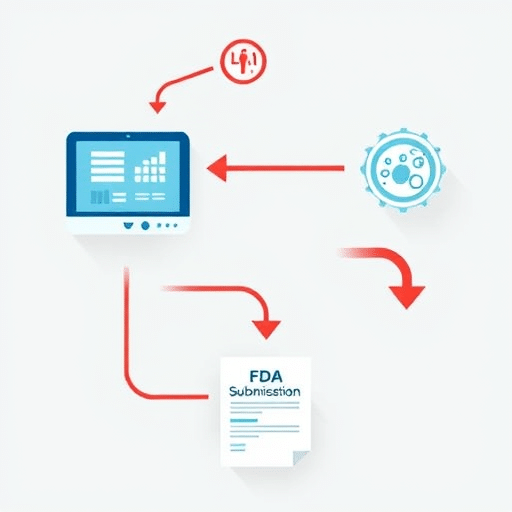
- Baseline Calibration – Each participant undergoes a 15‑minute calibration session to map eye-tracking parameters to their unique ocular anatomy.
- Data Normalization – Raw metrics are normalized against age‑matched controls to account for inter‑individual variability.
- Endpoint Definition – Researchers define thresholds for significant change (e.g., a 5% decline in fixation stability) that will trigger interim analyses.
- Regulatory Submission – The digital endpoint is validated and documented in the protocol, ensuring alignment with FDA or EMA guidelines.
- Continuous Oversight – Data monitoring committees review aggregated metrics periodically to assess safety and efficacy.
By following these steps, investigators can incorporate AR glasses as a primary or secondary endpoint with confidence.
Benefits Over Traditional Visual Field Tests
Traditional HVF testing, while gold standard, has inherent limitations that AR glasses can mitigate:
- Patient Fatigue – HVF takes 10–15 minutes per eye, often leading to learning effects and reduced reliability.
- Limited Frequency – Clinic visits restrict testing to monthly or quarterly intervals.
- Labor‑Intensive Scoring – Test results require manual grading and interpretation, introducing variability.
- Contextual Disconnect – Results are obtained in a controlled setting that may not reflect real‑world visual demands.
In contrast, AR glasses offer:
- Near‑real-time data acquisition.
- Minimal participant effort after initial calibration.
- Automated, reproducible metrics.
- Insights into visual function during daily tasks, enhancing ecological validity.
Implementation Challenges and Solutions
Despite the promise, several practical hurdles must be addressed for widespread adoption:
Data Privacy and Security
Eye-tracking data is sensitive biometric information. Researchers must implement end‑to‑end encryption, secure cloud storage, and compliance with GDPR and HIPAA. Anonymizing datasets at the point of collection can further safeguard participant identities.
Device Comfort and Adherence
Long‑term wearability is crucial. Selecting lightweight glasses with adjustable straps, breathable frames, and intuitive user interfaces can improve adherence. Pilot studies often reveal drop‑off rates; addressing these through participant education and support can mitigate data gaps.
Calibration Drift
Over time, sensor drift can degrade accuracy. Periodic recalibration protocols—e.g., a brief 5‑minute session every month—help maintain fidelity. Automated drift detection algorithms can flag anomalous readings for review.
Regulatory Acceptance
Digital endpoints still face scrutiny from regulatory bodies. Robust validation studies that correlate eye‑tracking metrics with established visual field outcomes are essential. Publishing peer‑reviewed validation data and engaging early with regulators can streamline the approval process.
Future Outlook
As AR glasses become more affordable and sensors improve, their integration into ophthalmic research is set to accelerate. Emerging trends include:
- Multimodal Data Fusion – Combining eye-tracking with retinal imaging (e.g., OCT) to create composite biomarkers.
- AI‑Driven Predictive Analytics – Machine learning models that forecast disease trajectory based on longitudinal gaze patterns.
- Patient‑Centric Platforms – Apps that provide real‑time feedback to patients, encouraging self‑monitoring and early intervention.
- Global Trial Collaboration – Cloud‑based data sharing that enables cross‑site analyses, increasing statistical power and diversity.
These advancements will not only refine glaucoma monitoring but also pave the way for similar applications in other neuro‑ophthalmic disorders.
Conclusion
AR glasses capture eye‑tracking metrics as digital endpoints for glaucoma progression represent a paradigm shift in how we monitor visual field loss. By providing continuous, non‑invasive, and ecologically valid data, these devices enable more responsive clinical trials and, ultimately, better patient outcomes. Researchers who adopt this technology can unlock richer insights into disease dynamics while reducing patient burden and trial costs.
Ready to elevate your glaucoma trials with AR eye‑tracking? Explore integration today.