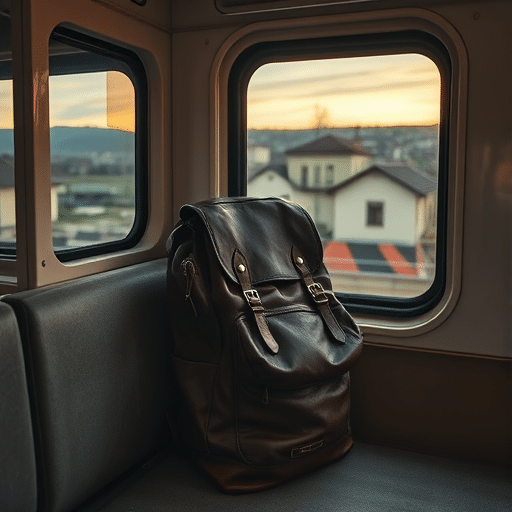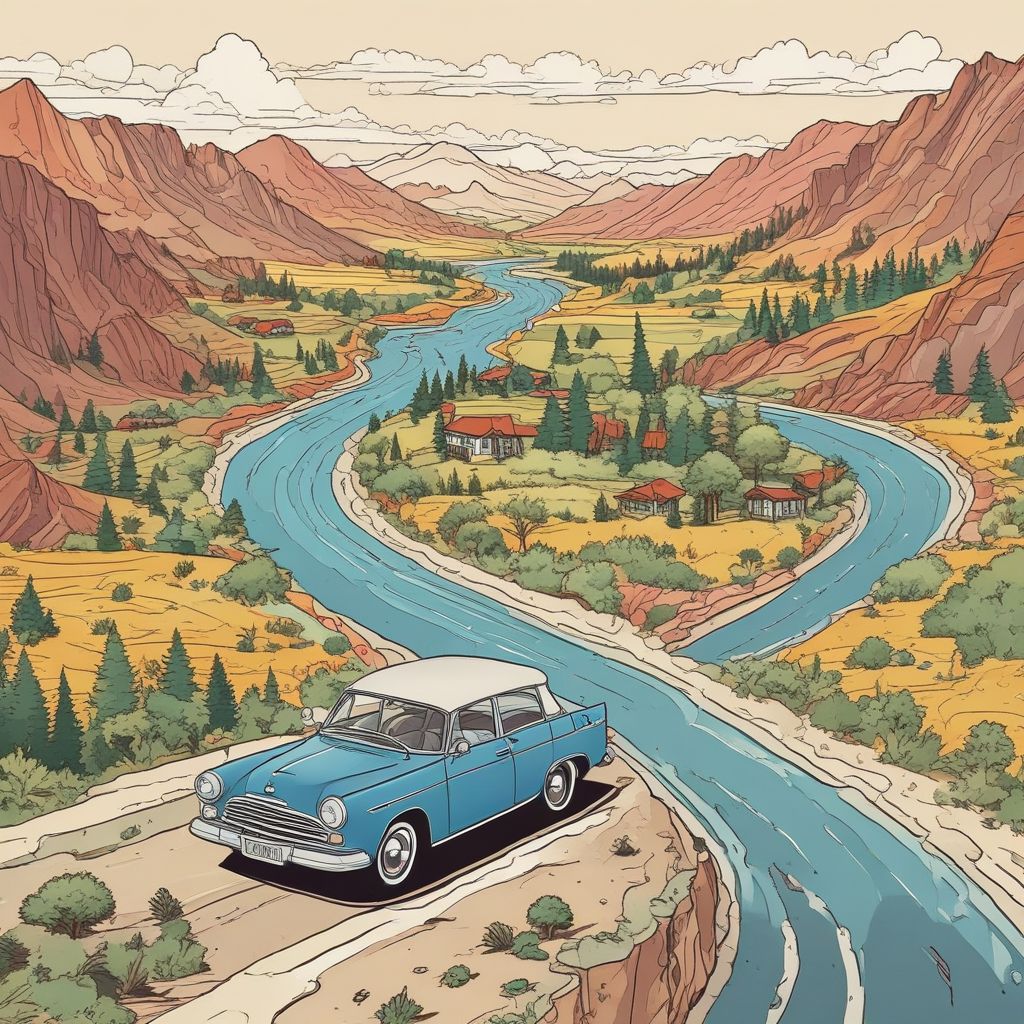
The Climate-Comfort Roadloop reframes the classic vanlife fantasy: instead of chasing the most photographed vistas, design a year-long road trip that chases mild weather, prioritizes comfort and wellbeing, and simplifies seasonal gear swaps. This approach reduces stress, cuts costs, and makes consistent routines—sleep, exercise, healthy food, social rhythm—possible on the road while still uncovering beautiful places on your own terms.
Why Choose a Climate-Comfort Roadloop?
Most long-term travelers plan routes around attractions or trends, then fight storms, heat waves, or snow to get there at the “right” time. A Climate-Comfort Roadloop flips that logic: follow zones of mild weather to avoid extremes and make every month reliably livable. Benefits include:
- Fewer emergency gear purchases and last-minute reroutes.
- Lower heating/cooling energy use and more comfortable sleep.
- Improved mental and physical health through predictable routines.
- Deeper local engagement because you’re staying where life is easier, not just photogenic.
Planning Principles: Comfort, Continuity, and Simplicity
Start with three non-negotiables: average temperature band you find comfortable (e.g., 50–75°F / 10–24°C), humidity tolerance, and maximum precipitation you’re willing to endure. Use those to draw a rolling “comfort corridor” on a map that moves with the seasons.
Set Your Comfort Parameters
- Temperature range: define day and night comfort zones.
- Precipitation limit: how many rainy days per month are acceptable?
- Altitude and wind: consider mountain cold and coastal fog.
Simplicity Rules
Minimize gear. Assume two seasonal setups: mild/cool (spring/fall) and warm/dry (summer/winter in warm climates). That reduces packing and lets you swap a few items rather than overhaul your whole rig.
Map a 12-Month Route: Month-by-Month Climate Strategy
The sample loop below follows a rough clockwise path for North America, but the same method applies anywhere: follow latitude and elevation gradients so that monthly moves keep you within your comfort corridor.
- January — Southern California Coast: Mild, sunny, low precipitation; easy access to services and medical care after holiday travel.
- February — Baja California Sur: Warm and dry with stable weather; great for extended outdoor activity without heat stress.
- March — Arizona / Sonoran Transition: Desert blooms and moderate temps before the heat arrives.
- April — New Mexico Highlands: Cool days, low humidity, and clear skies—perfect for hiking and cultural festivals.
- May — Texas Hill Country: Gentle spring warmth and abundant local food markets.
- June — Coastal Carolinas / Georgia: Early summer where coastal breezes offset rising temps; move before humidity peaks.
- July — Northern Appalachians or Great Lakes Coast: Cooler, balanced summer temperatures—avoid southern humidity.
- August — Upper Midwest / Southern Canada: Mild summer, long daylight, good for outdoor hobbies.
- September — Northern Plains to Rocky Mountain Front: Crisp air, stable weather, fall color without cold snaps at moderate elevations.
- October — Utah / Southern Rockies: Dry, cool days and warm afternoons—ideal for trail running and photography without crowds.
- November — Southern Arizona / Sonoran Desert: Return to mild desert climate before winter storms.
- December — Palm Coast / Southern California: Round out the loop with mild winter weather and access to holiday supplies.
Gear Strategy: Two-Set Minimalism
Design your gear around two modular kits that swap in 1–2 hours: Mild/Cool Kit and Warm/Dry Kit.
- Mild/Cool Kit: Lightweight insulated jacket, compact travel heater or heated blanket (if safe), closed-cell sleeping pad, wool layers, rain shell.
- Warm/Dry Kit: Breathable bedding, shade awning, portable fan, sun-protection clothing, hydration-focused kitchen setup.
- Year-Round Essentials: Reliable tires, emergency kit, solar/charging system sized for average daily draw, first-aid, and a subscription to a weather alert service.
Swap Logistics
Plan gear swaps in towns with storage-friendly services: mail forwarding, self-storage for a month, or leaving nonessentials with trusted friends. Time swaps to coincide with longer stops for errands or health appointments to avoid extra travel days.
Wellbeing Over FOMO: Daily Routines and Social Anchors
Comfort travel is about creating daily anchors. Keep simple routines that travel with you: morning movement, a midday break, a weekly social ritual, and a consistent sleep schedule. Prioritize:
- Mental health — schedule regular check-ins with friends, therapy, or meditation practice.
- Nutrition — shop local seasonally; keep a small “core pantry” to reduce reliance on restaurants.
- Fitness — choose activities tied to place (surf in winter, hiking in summer) to reduce equipment needs.
Tools, Navigation, and Weather Planning
Use climate and route planning tools to automate your loop: historical weather APIs, road-condition apps, and calendar-based mapping tools (e.g., Google Maps + custom calendar pins). Create a rolling 30–90 day forecast plan that flags high-risk weather events and suggests alternate micro-regions within your corridor.
Practical Tips
- Leave buffer days for unexpected weather shifts and rest.
- Build a monthly logistics checklist: mail, maintenance, health, and gear swaps.
- Balance remote stays with a few urban stops to replenish supplies and social contact.
Budgeting & Sustainability
Following climate comfort usually reduces fuel costs (shorter detours), heating/cooling expenses, and emergency repairs from extreme weather. Budget for predictable costs—seasonal park fees, storage for gear, and occasional paid laundry or coworking spaces—and reserve a contingency fund for one-off events.
Sample Itinerary Snapshot
One simple way to start: choose a home-base latitude, map a 12-month ring that moves seasonally (south in winter, north in summer), and select towns every 2–4 weeks where services and weather align with your comfort band. Treat the first year as an experiment: log what worked, and let the loop evolve into a route that fits your rhythms.
Adopting a Climate-Comfort Roadloop transforms travel from a checklist of sights into a year of consistently livable experiences—more restful nights, better health, and a more grounded relationship with the places you visit.
Conclusion: Planning a year-long road trip that chases mild weather helps you reduce stress, simplify gear, and prioritize wellbeing over FOMO—design your route by comfort first, and the memorable moments will follow. Ready to map your Climate-Comfort Roadloop? Start by defining your comfort band and plotting a 12-month corridor.
Take the first step: sketch your comfort temperature range today and pick the month you want to start—then map the 12 stops that keep you within that band.