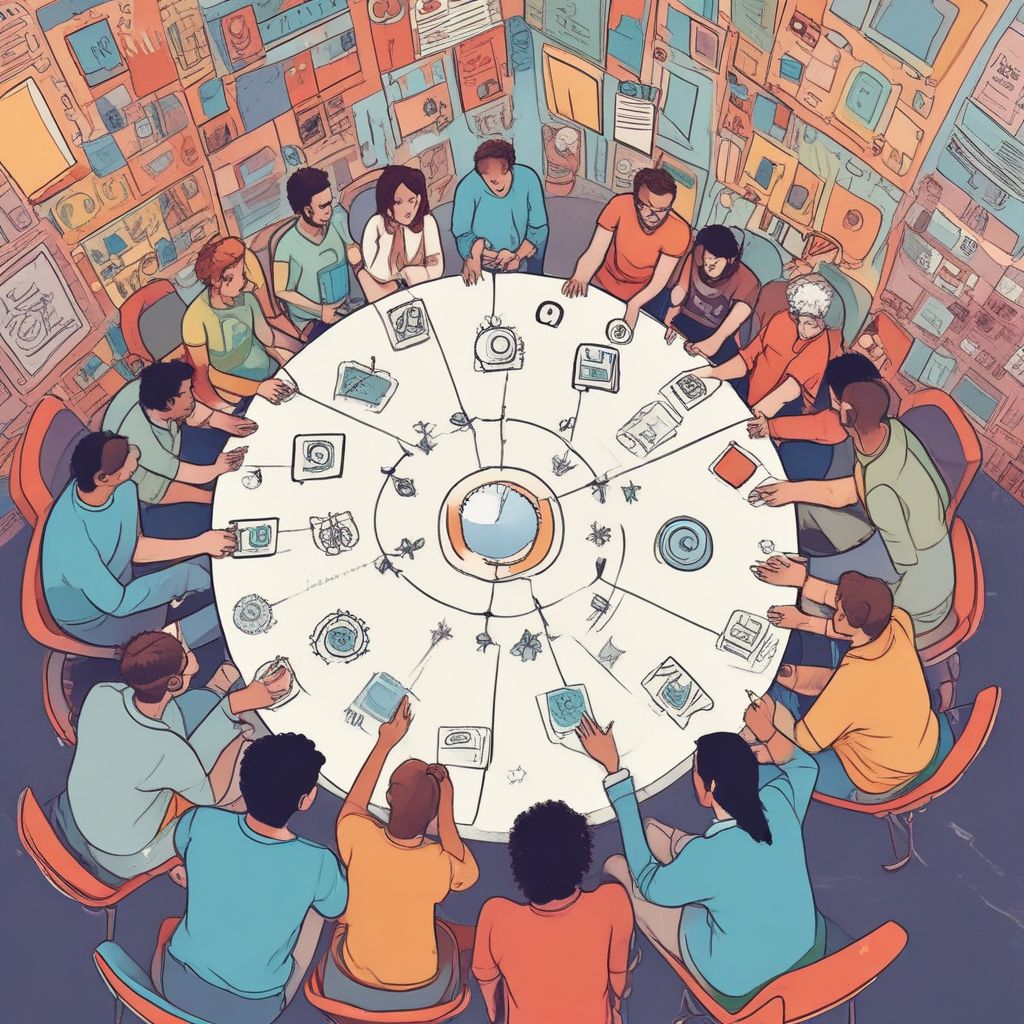
Distributed Serendipity is the art and engineering of creating asynchronous rituals that intentionally produce the small chance encounters and cross-pollination of ideas that fuel innovation—without forcing more meetings or interrupting deep work. For remote-first startups, the main keyword “Distributed Serendipity” should become a design principle: low-friction, time-zone-friendly, and psychologically safe practices that bias teams toward unexpected collaboration.
Why distributed serendipity matters for startups
When teams are co-located, innovation often happens in unplanned hallway conversations, coffee breaks, or overheard whiteboard sessions. Remote and async work strips away those natural affordances. Left unaddressed, that loss reduces cross-team awareness, slows idea exchange, and makes breakthroughs rarer. Designing asynchronous rituals recreates the probability of serendipity while respecting focused work and competing time zones.
Principles for designing effective asynchronous rituals
- Low friction: Rituals must be effortless to join or contribute to—no long forms, no synchronous meetings.
- Discoverability: Make rituals visible across the org so people can stumble into them naturally.
- Short, repeatable cadence: Small, regular touchpoints create momentum and memory.
- Signal-to-noise control: Encourage concise contributions and use lightweight curation to avoid overwhelm.
- Psychological safety: Frame rituals as experiments and encourage curiosity not critique.
- Measure and iterate: Track qualitative outcomes (new connections, shared projects) more than vanity metrics.
Practical asynchronous rituals startups can try
1. Async Coffee Roulette (Slack/Teams thread + calendar-free)
Every week, opt-in participants are randomly paired and given a shared thread where each posts a 2–3 minute “show-and-tell” about a current experiment, a puzzle, or an insight. No meeting required—pairs respond when convenient. Over time, a matrix of cross-team artifacts and unexpected pairings emerges.
2. The Open Idea Ledger (Notion / Google Doc)
Create a single, lightweight page where anyone can drop a two-line idea, link, or question tagged with relevant teams. Use rolling highlights: a curator posts “This week’s connective threads” with 3 high-potential items and suggested next steps, inviting async micro-collaborations.
3. Micro-Pitches (90-second voice notes + pinned board)
Encourage short audio or video micro-pitches recorded asynchronously. A pinned board surfaces the most reacted-to pitches; product, marketing, or engineering can react with short next-step checkboxes, creating a low-barrier funnel from idea to action.
4. Serendipity Channels (topic + randomized show)
Maintain a few cross-functional channels with explicit norms: one message = one idea; emoji reactions = interest. Use a bot to surface a random “serendipity pick” each day—an idea from another team—so people see outside their immediate context without subscribing to many channels.
5. Cross-Team Asynchronous Office Hours
Rather than live “ask-me-anything” sessions, have team leads publish weekly asynchronous office hours posts where they answer questions in-thread over 48–72 hours. This preserves thoughtful answers and lets people from all time zones participate.
Design details that make rituals stick
- Template contributions: Use micro-templates (title, one-line hook, desired outcome) to keep posts scannable.
- Opt-in discovery: Seed rituals with a small group of champions and publicize success stories to increase voluntary participation.
- Light curation: Rotate curators weekly to amplify interesting threads and prevent single-person bottlenecks.
- Integrate into onboarding: Introduce new hires to rituals and encourage a first contribution within 2 weeks to form habits early.
- Tool hygiene: Centralize links and keep channels organized—too many places dilutes serendipity.
Balancing serendipity with signal control
One common concern is noise: too many rituals can swamp teams. Mitigate this by setting contribution norms (short posts, single idea per post), using reactions as interest filters, and offering an “interest digest” that bundles the most relevant items for each team. Quality over quantity matters: the goal is to create memorable sparks, not inbox fatigue.
Measuring success without killing creativity
Quantitative metrics can be useful if chosen carefully. Track low-effort signals like participation rates, cross-team reactions, and the number of micro-collaborations that move from idea to experiment. More importantly, collect qualitative stories—case notes of ideas that crossed teams and led to features, experiments, or partnerships. These narratives are the best evidence of Distributed Serendipity at work.
Sample 30‑day plan to launch a Distributed Serendipity program
- Week 1: Pilot a single ritual (Async Coffee Roulette) with 20 volunteers; document the process template.
- Week 2: Launch the Open Idea Ledger and invite pilots to post one takeaway; appoint a curator rotation.
- Week 3: Surface patterns—create a biweekly digest and highlight two cross-team matches for follow-up.
- Week 4: Gather stories, iterate templates, and add the rituals to onboarding and team docs.
Common pitfalls and how to avoid them
- Ritual overload: Start with one or two practices and scale intentionally.
- Lack of discoverability: Publish rituals in a central “Ways We Work” doc and cross-post to team channels.
- Top-down enforcement: Keep rituals voluntary and celebrate organic wins to grow adoption.
- No follow-through: Make it easy to convert interest into short experiments by adding a “next step” checkbox to posts.
Real-world example (hypothetical)
A seed-stage startup introduced an Open Idea Ledger and a weekly “serendipity digest.” In three months, a backend engineer’s small note about a performance hack connected with a growth manager’s metric-focused experiment; together they ran a short A/B test that reduced latency for a core funnel and improved conversion by 4%. The ritual didn’t create the idea so much as create the path for it to meet someone who cared.
Conclusion
Distributed Serendipity is not magic—it’s a design problem that startups can solve with intentional, low-friction asynchronous rituals. By prioritizing discoverability, short templates, and light curation, remote-first teams can recreate the accidental collisions that spark innovation while respecting deep work and global schedules.
Try one small ritual this week and watch for the first unexpected connection—then iterate.