Skyline Sprint and urban slackline racing are transforming balance-based recreation into a high-speed extreme sport that threads between rooftops, along promenades, and across city plazas. What began as a playful practice in parks has evolved into a competitive format where athletes race head-to-head across narrow webbing, using split-second decisions, specialized gear, and live environmental data—most notably, real-time wind sensors—to shave seconds off their runs. This article explains how athletes, portable anchors, and sensor technology combine to create the new adrenaline-charged discipline of Skyline Sprint.
What Is Skyline Sprint?
Skyline Sprint is a competitive format of slacklining in which two or more racers traverse a tensioned line as quickly as possible over a short to medium distance, often in urban settings. Unlike classic static slacklining focused on tricks and endurance, Skyline Sprint emphasizes speed, precision foot placement, and the ability to read environmental cues. Courses can vary from ground-level street sprints to daring rooftop connectors, and organizers design them to be spectator-friendly while enforcing strict safety standards.
How urban slackline racing differs from other formats
- Speed-focused: Races are timed with winners decided by milliseconds in close heats.
- Head-to-head format: Athletes often compete simultaneously on parallel lines for direct comparison.
- Urban staging: Temporary anchors and permissions allow events to integrate iconic cityscapes into courses.
- Tech-enabled: Real-time wind and motion sensors feed data to athletes and organizers to manage risk.
The Gear That Makes It Possible
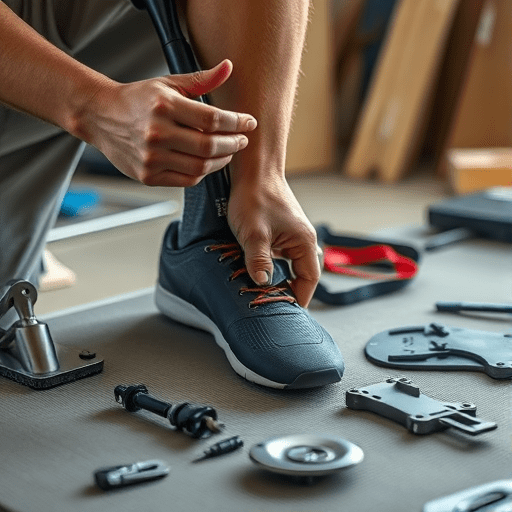
Turning a leisure skill into a high-speed sport requires thoughtful equipment upgrades. The core components are high-tensile webbing, compact harness systems, efficient tensioning rigs, and—critically—portable anchors engineered to attach to diverse urban structures without permanent alteration. Race organizers and riggers rely on lightweight yet robust materials to make setups quick, repeatable, and safe.
Portable anchors: secure, modular, and city-friendly
Portable anchors for Skyline Sprint are designed for minimal footprint and maximum safety: clamp plates, ballast systems, and engineered strap-and-buckle assemblies let riggers anchor to railings, parapets, and specially reinforced surfaces. Many teams use distributed-load anchor arrays that reduce point stress on historic architecture while meeting engineering standards for redundancy and load-bearing capacity. Quick-deploy ratchets and integrated shock-absorbing elements speed setup and provide predictable line dynamics during high-speed runs.
Real-time wind sensors and integrated race telemetry
Wind is the invisible opponent in Skyline Sprint. Modern races use compact anemometers and ultrasonic wind sensors mounted on line anchors and athlete harnesses to measure gusts and shear near the line. That telemetry feeds race-control dashboards and athlete wearables in real time, enabling dynamic decisions: postponing heats when crosswinds exceed safety thresholds, issuing split-second warnings to racers, or adjusting scoring for environmental advantage. Coupled with inertial measurement units (IMUs) on the line and athletes, organizers can reconstruct runs, adjudicate disputes, and provide broadcast-ready data overlays for viewers.
Athletes: Training, Technique, and Risk Management
Skyline Sprint athletes train differently from trick-focused slackliners. The emphasis is on explosive balance, reactive step placement, and efficient sprint mechanics adapted to a narrow, flexible platform. Typical training mixes dynamic plyometrics, proprioceptive drills on low-to-mid lines, and simulated gust-response practice—where coaches introduce controlled perturbations so athletes learn to regain balance quickly.
Racecraft and mental preparation
Racecraft in Skyline Sprint includes learning the line’s ‘feel’ under tension, optimizing stride cadence, and making tactical choices—like when to accelerate versus stabilize. Mental training, visualization, and biofeedback (heart rate and breathing control) are increasingly common as athletes refine focus under the pressure of crowd noise and broadcast cameras. Crucially, athletes adopt standardized safety hardware: low-profile sport harnesses, tether backups, and rapid-release carabiners tailored to sprint dynamics.
Safety Protocols and Competition Rules
Racing at speed across exposed lines demands rigorous protocols. Organizers set wind cutoffs, require redundant anchoring, mandate trained rigging crews, and enforce pre-run equipment inspections. Competition rules often include penalties for unsafe gear, time adjustments for restart procedures, and standardized criteria for what constitutes a fall or a restart—ensuring fairness while prioritizing athlete welfare.
The Race Experience: Spectacle, Broadcast, and Community
Skyline Sprint events are designed to be visceral and accessible. Short course lengths and parallel lanes make for easy-to-follow head-to-head matches; mounted sensors provide spectator overlays showing wind, tension, and athlete telemetry in real time. Live streams with on-screen metrics turn each race into a data-rich narrative, and rooftop finishes or street-side finals create dramatic backdrops that attract casual viewers and sponsors. Importantly, local slackline communities often co-produce races, ensuring grassroots involvement while professionalizing the event experience.
Sustainability and urban stewardship
Because Skyline Sprint often operates in sensitive urban areas, organizers adopt leave-no-trace rigging, secure permits, and community engagement programs. Many events include equipment demos, introductory clinics, and partnerships with local parks or heritage bodies to offset impact and cultivate public support for future races.
What’s Next for Skyline Sprint?
The near future will likely see more robust pro circuits, standardized safety certifications for riggers and athletes, and deeper integration of sensor-driven coaching tools. Augmented-reality spectator features and machine-learning analysis of runs could help athletes fine-tune technique from split-second motion data. As portable anchor engineering advances and municipal partnerships mature, expect Skyline Sprint to move from fringe spectacle to organized urban sport with global appeal.
Skyline Sprint has already reshaped what slacklining can be—blending raw athleticism, engineered safety, and sensor-driven intelligence to create a fast, thrilling, and increasingly professional sport.
Ready to witness or try a Skyline Sprint event? Find a local race or join a community clinic to experience the speed of urban slackline racing firsthand.