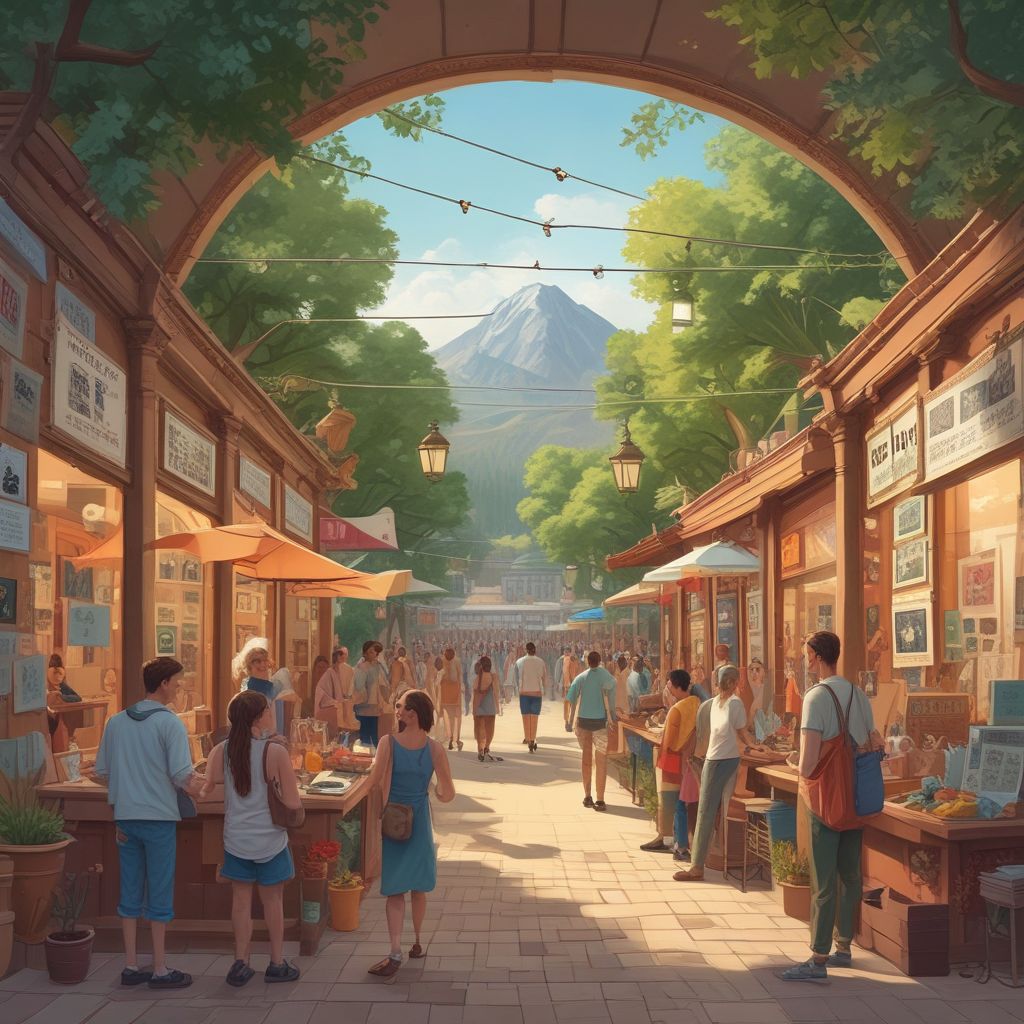
Micro‑Museums, Mega Impact isn’t just a catchy phrase—it’s a movement. Micro-museums, small community-run collections often housed in repurposed shops, kiosks, or single rooms, are rewriting the rules of cultural tourism by foregrounding hyper-local stories, creating hands-on experiences, and adopting sustainable visitor models that benefit both residents and travelers.
What Is a Micro‑Museum?
A micro-museum is a compact, focused cultural space that celebrates a narrow slice of history, craft, memory, or identity. Unlike traditional institutions that gather broad collections and host blockbuster exhibitions, micro-museums specialize—sometimes focusing on one object, one neighborhood, or one local practice—and use intimacy as their superpower.
Why Micro‑Museums Matter for Cultural Tourism
Micro-museums have become catalysts for a more meaningful kind of tourism. They invite visitors to slow down, connect directly with community voices, and leave with stories they can’t find in guidebooks. For destinations trying to differentiate themselves, micro-museums offer authenticity, accessibility, and low-impact cultural enrichment.
Key benefits
- Authentic storytelling: Local curators and volunteers convey narratives rooted in lived experience.
- High visitor engagement: Small scale encourages conversation and participation.
- Sustainability: Lower operating costs and smart visitor caps reduce environmental and social strain.
- Economic ripple: Micro-museums drive foot traffic to local cafés, shops, and artisans.
Hyper-Local Stories: Why Small Scale Means Big Meaning
Hyper-local storytelling is the heart of micro-museums. A single storefront exhibit about a neighborhood bakery, a street performance tradition, or the history of a community garden can illuminate broader cultural themes—migration, resilience, or innovation—through a specific, tangible lens. These stories resonate because they are personal, immediate, and rooted in place.
How hyper-local narratives work
- Use oral histories and family archives to humanize history.
- Display everyday objects with interpretive labels that link the micro to the macro.
- Rotate exhibits to reflect seasonal rhythms, festivals, or resident-led research.
Hands-On Experiences: From Passive Viewing to Active Participation
Micro-museums excel at offering tactile, participatory activities that make cultural learning memorable. Workshops, demonstration tables, and visitor-contributed displays transform audiences into co-creators rather than passive observers.
Examples of hands-on programming
- Craft sessions led by local artisans where visitors make a small souvenir.
- Community-curated cabinets where residents contribute objects and write labels.
- Guided story circles and sensory tours tailored to different ages and abilities.
Sustainable Visitor Models: Balancing Access and Preservation
Because they are small and community-anchored, micro-museums can experiment with sustainable visitor practices that larger institutions struggle to implement quickly. Thoughtful scheduling, pay-what-you-can entry, and partnership-based funding help ensure cultural stewardship without sacrificing accessibility.
Practical sustainability strategies
- Timed-entry slots or appointment-only visits to manage crowding and reduce wear.
- Sliding-scale admissions and community free days to maintain inclusivity.
- Revenue-sharing with local businesses (e.g., combo tickets with a neighborhood café).
- Volunteer-led operations that build local capacity while keeping overhead low.
Real-World Examples: Small Spaces, Big Stories
Across the globe, micro-museums are proving their value:
- A converted phone booth that tells the history of a dockworkers’ union through audio testimonies and a single worn cap.
- A storefront “mini-museum” dedicated to a local textile technique that offers daily loom demonstrations and sells community-made scarves.
- A park-side kiosk that chronicles the evolution of a neighborhood festival with photos, maps, and an annual volunteer-led parade.
Designing a Micro‑Museum: Practical Tips for Community Groups
Starting a micro-museum is accessible with clear focus and community buy-in. These practical steps help convert an idea into a compelling small exhibition:
- Define a tight theme—limit scope to one topic that sparks curiosity.
- Engage local storytellers—interview elders, artisans, and activists for primary content.
- Choose a visible, low-cost space—vacant shopfronts or library alcoves work well.
- Design for interaction—incorporate touchable objects, prompts for visitor contributions, and easy-to-update panels.
- Plan sustainable funding—mix micro-donations, community grants, and local sponsorships.
Measuring Impact and Scaling Responsibly
Micro-museums should track qualitative and quantitative outcomes to demonstrate value: visitor numbers, local business referrals, workshop participation, and recorded community stories. Impact grows when micro-museums form networks—sharing curatorial resources, cross-promoting events, and creating itineraries that encourage longer, slower visits to a whole neighborhood or town.
Partnerships: The Secret Sauce
Successful micro-museums thrive on collaboration. Partnering with schools, tourism boards, local businesses, and heritage organizations multiplies reach and secures resources without sacrificing the grassroots ethos. These alliances also enable seasonal programming and visitor routing that reduce environmental costs while deepening community benefit.
Conclusion
Micro-museums prove that scale does not determine significance: tiny, community-rooted collections can reshape cultural tourism by offering authentic stories, participatory experiences, and sustainable visitor models that benefit residents and travelers alike. Embracing micro-museums means choosing tourism that values connection, stewardship, and the unique character of place.
Ready to explore or start a micro-museum in your community? Reach out to local historians, artists, and businesses to map a small exhibit that tells your neighborhood’s big story.