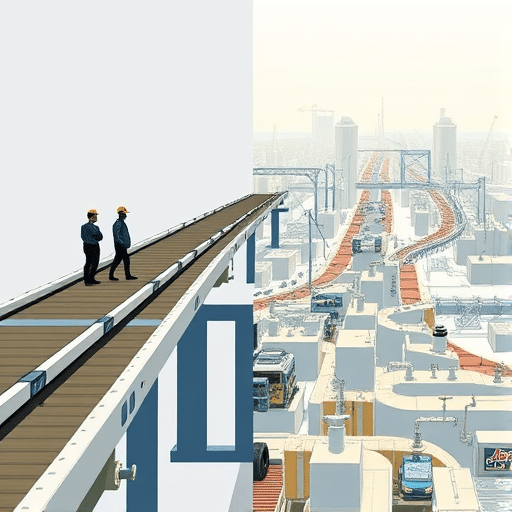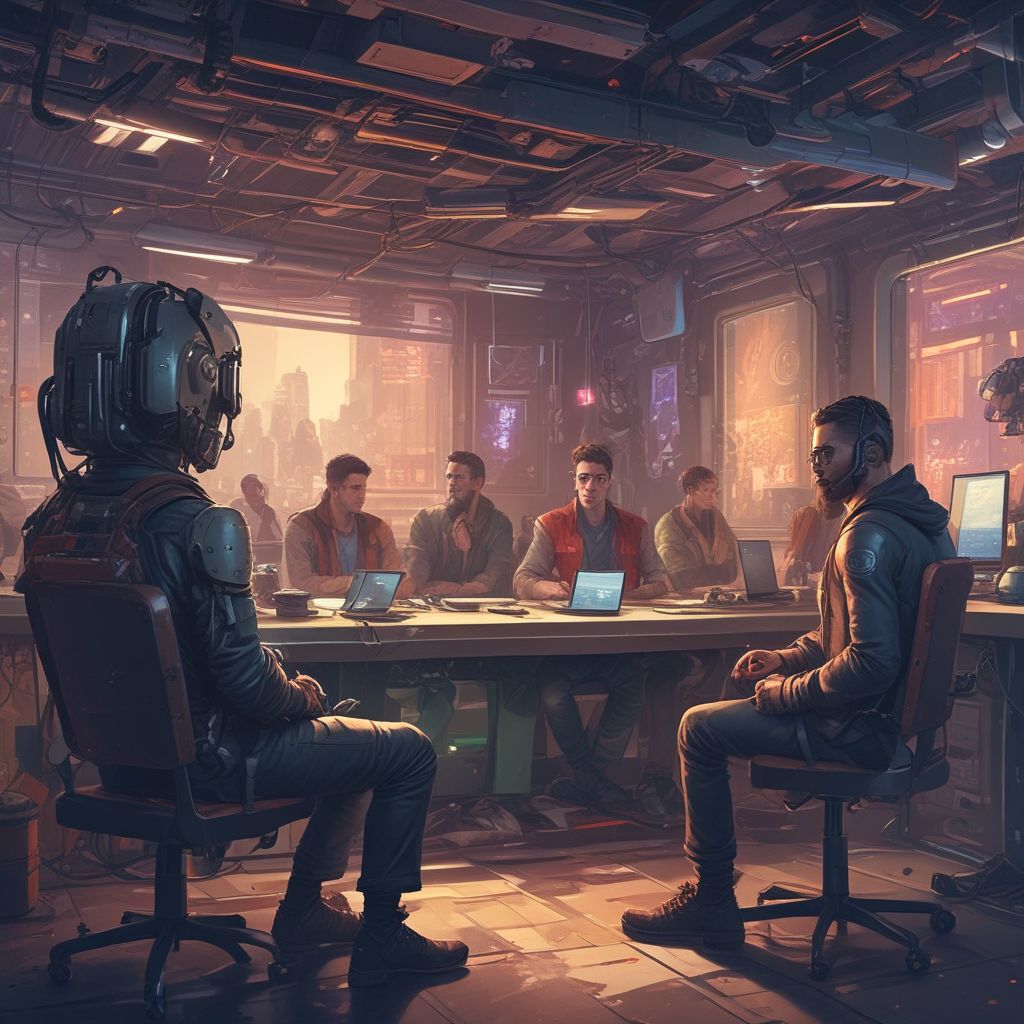
The rise of AI NPC Directors is transforming how players experience stories: AI NPC Directors blend procedural storytelling with real-time player modeling to create emergent narratives that adapt to each player’s choices, pacing, and playstyle. What used to be a static sequence of authored scenes is now a living dramaturgy where machine ‘directors’ stage conflicts, cue beats, and improvise dramatic moments on the fly—inside studios and during live play.
What is an AI NPC Director?
An AI NPC Director is a systems-level layer—sometimes called a “director agent” or “narrative orchestrator”—that supervises non-player character (NPC) behavior, scene pacing, and story progression. Rather than hard-coding every cutscene or conversation, studios train these directors to interpret world state, player actions, and design constraints, then generate or select narrative beats that preserve dramatic tension and player agency.
Core responsibilities
- Monitoring game state and player choices (player modeling)
- Selecting or composing narrative beats and NPC motivations
- Orchestrating timing and pacing for encounters and dialogue
- Balancing authorial intent with emergent outcomes
- Ensuring consistency and coherence across branching experiences
How procedural storytelling changes the player’s experience
Procedural storytelling under a director-driven model creates narratives that feel personal and unpredictable while still honoring the studio’s design goals. Players encounter scenes tailored to their actions—ally betrayals that reflect prior choices, moral consequences surfaced through improvised NPC dialogue, and tension arcs that stretch or compress depending on whether a player is exploring or rushing forward.
- Dynamic drama: Tension rises and falls organically as the director times beats to match player engagement.
- Replayability: Each playthrough yields different sequences of events, increasing longevity without exponentially increasing authored content.
- Adaptive difficulty and emotional pacing: Directors can soften or intensify scenes based on player proficiency or tolerance, improving accessibility.
Inside studios: building the machine director
Production teams typically treat AI NPC Directors as cross-disciplinary systems that sit between design, narrative, and engineering. Key steps inside studios include:
1. Defining narrative primitives
Designers break stories into reusable “beats”—small units like “reveal,” “confrontation,” or “rescue”—and tag them with constraints (tone, stakes, required NPCs). The director composes these primitives into larger arcs in response to live data.
2. Player modeling and telemetry
Telemetry pipelines feed player behavior into the director: choices, exploration patterns, combat style, and emotional signals (e.g., repeated failure). This enables directors to predict likely reactions and select beats that will feel meaningful.
3. Hybrid AI approaches
Studios combine heuristics, state machines, and machine learning models. Rule-based systems enforce safety and author intent, while ML components (including reinforcement learning or transformer-based planners) propose novel sequences and dialogue variations.
4. Authoring tools and guardrails
Robust tooling lets writers and designers constrain the director’s creativity: editors to set “no-go” zones, tone filters, character arcs, and fail-safes to prevent narrative contradictions. Playtesting iteratively refines those guardrails.
Technical backbone: models and orchestration
At the engine level, AI NPC Directors rely on several complementary technologies:
- World-state representation: Central blackboard systems hold facts about characters, relationships, and events.
- Planner modules: Short-horizon planners pick the next few beats; long-horizon planners map overall arcs.
- Dialogue generation: Template + generation hybrids produce varied lines while enforcing character voice.
- Simulation sandboxes: Directors can “preview” effects of choices using lightweight simulations before committing to a beat.
Practical benefits and studio efficiencies
AI NPC Directors deliver both creative and production advantages:
- Smaller writing teams can generate far more perceived content through recombination and conditional dialogue.
- QA workload shifts from checking every authored branch to validating director constraints and emergent outputs.
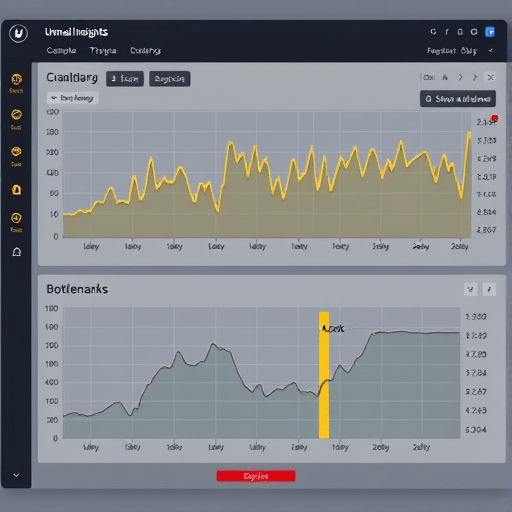
- Live games can tune narrative using analytics, adjusting director heuristics to improve engagement metrics.
Challenges and ethical considerations
Using machines to author drama raises real challenges. Coherence is hard—directors must avoid contradictions or “Sudden Villain” moments that break immersion. Debugging emergent narratives requires new visualization tools and replay systems. Ethically, studios must avoid inadvertently amplifying toxic content or creating manipulative emotional hooks; transparency and consent are growing expectations from players and regulators.
Common pitfalls
- Overfitting to telemetry—losing variety by optimizing purely for retention metrics
- Emergent contradictions—events that conflict with earlier player knowledge
- Loss of authorial voice—mechanical dialogue that erodes character personality
Best practices for studios adopting AI NPC Directors
Early adopters report better outcomes when they:
- Start small: use directors for specific systems (e.g., sidequests) before applying them to core narrative
- Maintain explicit authorial constraints to preserve character and theme
- Invest in tooling: visualization, replay, and rapid iteration loops for writers and designers
- Incorporate human-in-the-loop workflows for high-stakes scenes
- Monitor player sentiment and provide opt-outs where dynamic drama may discomfort players
Where this is headed
As foundation models and real-time inference become cheaper, expect AI NPC Directors to move from novelty to studio standard. Future directors will better model emotional arcs, support multi-player emergent drama, and offer hybrid authored+procedural pipelines that let writers “sketch” storylines while machines fill the connective tissue. The core promise remains the same: more personalized, resonant stories that respond to players as co-authors.
Procedural storytelling driven by AI NPC Directors doesn’t replace human writers—it amplifies them, enabling studios to deliver richer, reactive drama on consoles and beyond.
Conclusion: AI NPC Directors are rewriting console drama by turning static scripts into responsive, player-aware narratives, giving studios new levers for creativity and players more meaningful, repeatable experiences. Try seeking out developer diaries or demos from studios experimenting with directors to see these systems in action.
Want to stay updated on the latest in procedural storytelling and AI directors? Subscribe for more deep dives and studio case studies.