“Midnight Façades” is more than a poetic phrase — it’s an invitation to rediscover your city when artificial light redefines shapes, textures, and stories. This guide lays out routes, top photo spots, practical safety tips, and the late-night businesses that animate buildings after sunset so you can plan an inspired, safe, and photographable evening exploration.
Why Architecture at Night Feels Different
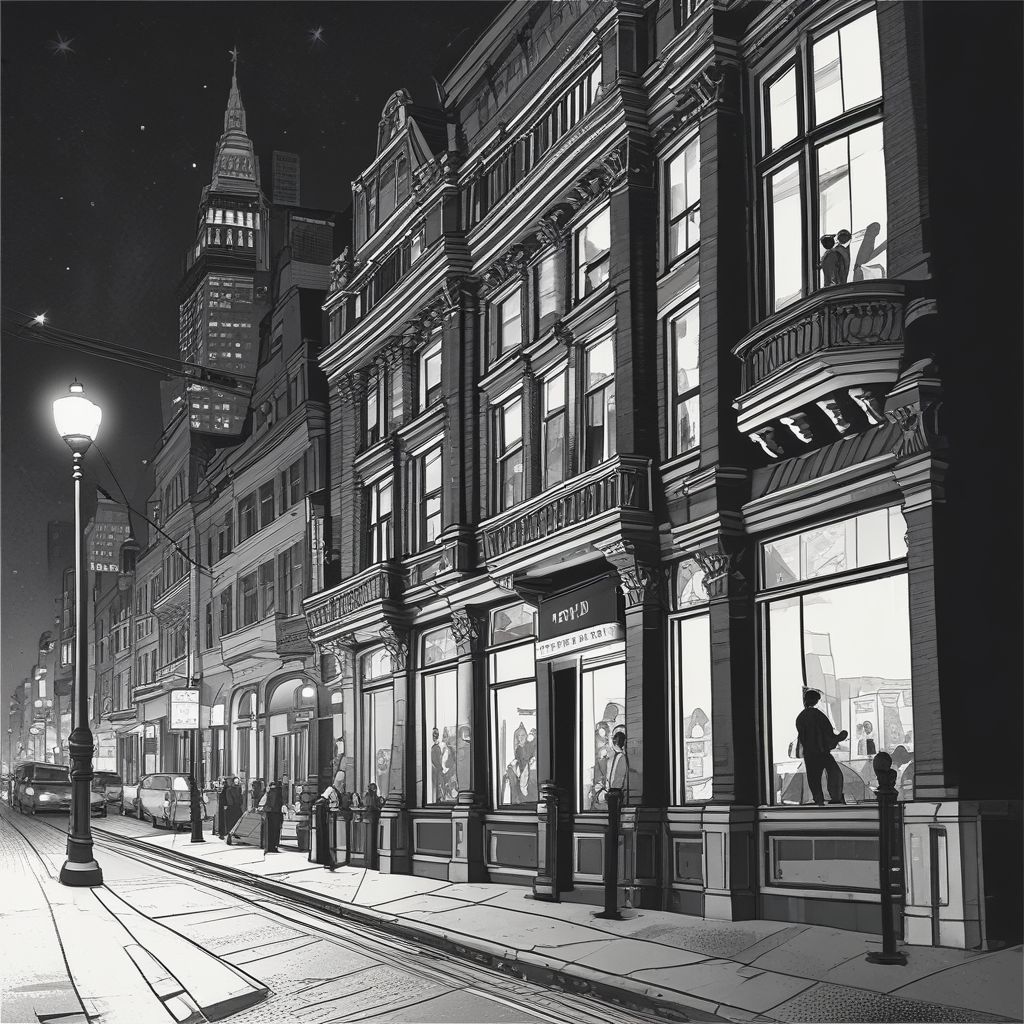
Daylight flattens facades; night sculpts them. Street lamps, neon, interior glow and projection mapping create contrast, reveal ornamentation, and turn ordinary materials into cinematic layers. Reflections in wet pavement and glass add depth, while selective lighting highlights cornices, columns and signage, revealing architectural details missed by daytime crowds.
Three Curated Routes to Try Tonight
1. Historic Loop — 60–90 minutes (walkable)
- Start: Central square with the old courthouse — classic uplighting emphasizes stone texture.
- Mid: Pedestrian lane of period storefronts and gas lamps — ideal for shallow depth-of-field street portraits.
- End: Riverside promenade where illuminated bridges frame the skyline — long exposures shine here.
2. Neon & Glass Route — 90–120 minutes (mix of walking and transit)
- Start: A cluster of converted warehouses with neon bars — juxtapose brick and neon for dramatic color contrast.
- Mid: Financial district with glass towers — shoot reflections and vertical light streaks.
- End: 24-hour diner or late-night market — capture human activity within lit façades.
3. Skyline & High Points Circuit — 2+ hours (transit + short hikes)
- Start: Elevated park or rooftop café for panoramic cityscapes at blue hour.
- Mid: Bridge crossings and train stations — dynamic backdrops with motion and light.
- End: Back alleys with murals and soft bollard lighting — quieter details and textures.
Top Photo Spots and What to Look For
- Entrances and Porticoes: Focused uplights reveal carved stone and metalwork; use a low angle for drama.
- Glass Towers: Shoot reflections at oblique angles; combine with slower shutter speeds to capture traffic trails below.
- Neon Signs & Marquees: Expose for the highlights and bring back shadow detail in post; bracketing can save neon blown highlights.
- Historic Alleys: Look for warm tungsten lamps and pooling light; use a tripod and long exposure to erase people.
- Late-night Businesses: Bakeries, bookstores, laundromats and cinemas often have interior lights that make façades feel lived-in — include windows to tell a story.
Practical Photography Tips
- Gear: Tripod, wide-angle lens (14–35mm), a fast prime for low-light portraits, and a remote shutter or self-timer to avoid shake.
- Settings: Start at ISO 100–400 on a tripod; use shutter speeds from 1s to 30s depending on ambient light; shoot in RAW for shadow recovery.
- Smartphone Hacks: Use night mode or pro apps to lock exposure and ISO, brace on railings, and try live-long-exposure stacking if your phone supports it.
- Composition: Emphasize leading lines, negative space, and contrast between lit and unlit surfaces; include a human figure for scale.
- White Balance: Auto can be tricky — try tungsten and daylight presets, then correct in RAW for consistent color across a route.
Safety First: Nighttime Navigation and Personal Security
Planning and awareness are the best safety tools. Scout routes during daylight when possible, and map the nearest transit stops, well-lit streets, and 24-hour businesses to serve as safe havens.
Practical Safety Checklist
- Share your route and ETA with a friend and keep your phone charged; carry a small power bank.
- Stick to busy streets where possible and avoid isolated or unlit alleys unless part of a group walk.
- Travel light and keep gear secured; use a discreet camera bag and quick-release straps for fast movement.
- Know local laws about rooftop access, trespassing and photography restrictions near sensitive buildings.
- Trust instincts — if a place feels unsafe, move to the nearest open business or public space.
Late-Night Businesses That Bring Buildings to Life
Late-night cafés, diners, bookstores, laundromats, convenience stores, and theaters are the secret animators of nighttime architecture. Their interior lights, neon signage, and window displays provide warm, human-scaled illumination that can transform a façade into a living portrait.
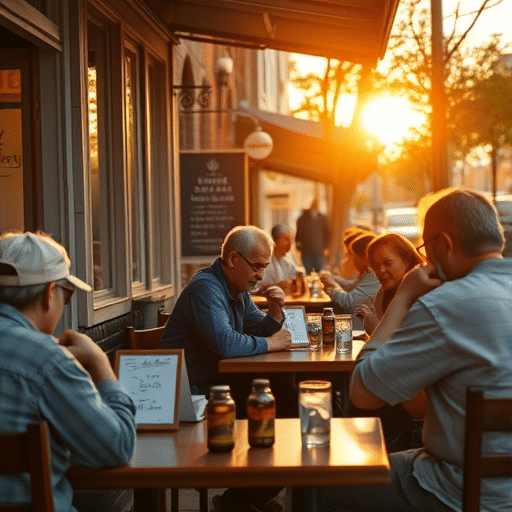
- Diners & Cafés: Offer opportunities for interior-to-exterior framing, warm tungsten glow, and candid street photography.
- Independent Bookstores: Shelf-lit windows create rectangles of light perfect for layered compositions.
- Laundromats & Markets: Fluorescent cool light produces vivid color contrast against warmer street lamps.
- Cinemas & Theaters: Marquees and poster boxes add typographic interest and vintage glamour to façades.
- 24-hour Pharmacies & Grocery Stores: Provide bright anchor points and reflections for night routes.
Logistics: Timing, Weather and Permissions
Blue hour and early night (30–90 minutes after sunset) offer a rich mix of residual sky color and artificial lighting. Rain or recent wet weather amplifies reflections, but check forecasts and bring waterproof covers. If planning to shoot on private property, contact owners in advance — festival lighting or projection mapping may require permission or accreditation.
Respectful Night Shooting
Minimize disruption: avoid shining bright video lights into residences, respect patrons of late-night businesses, and follow “no tripods” rules when present. When photographing people, ask consent for close portraits and be ready to show or delete images to ease concerns.
Conclusion: Midnight façades invite curiosity — they reward patience, planning and a little boldness. Whether on a 60-minute Historic Loop or a rooftop skyline vigil, night reveals new stories in familiar buildings and offers photographers a palette of light, color and texture unlike any other.
Ready to explore? Grab your camera and plan your first Midnight Façades route tonight.