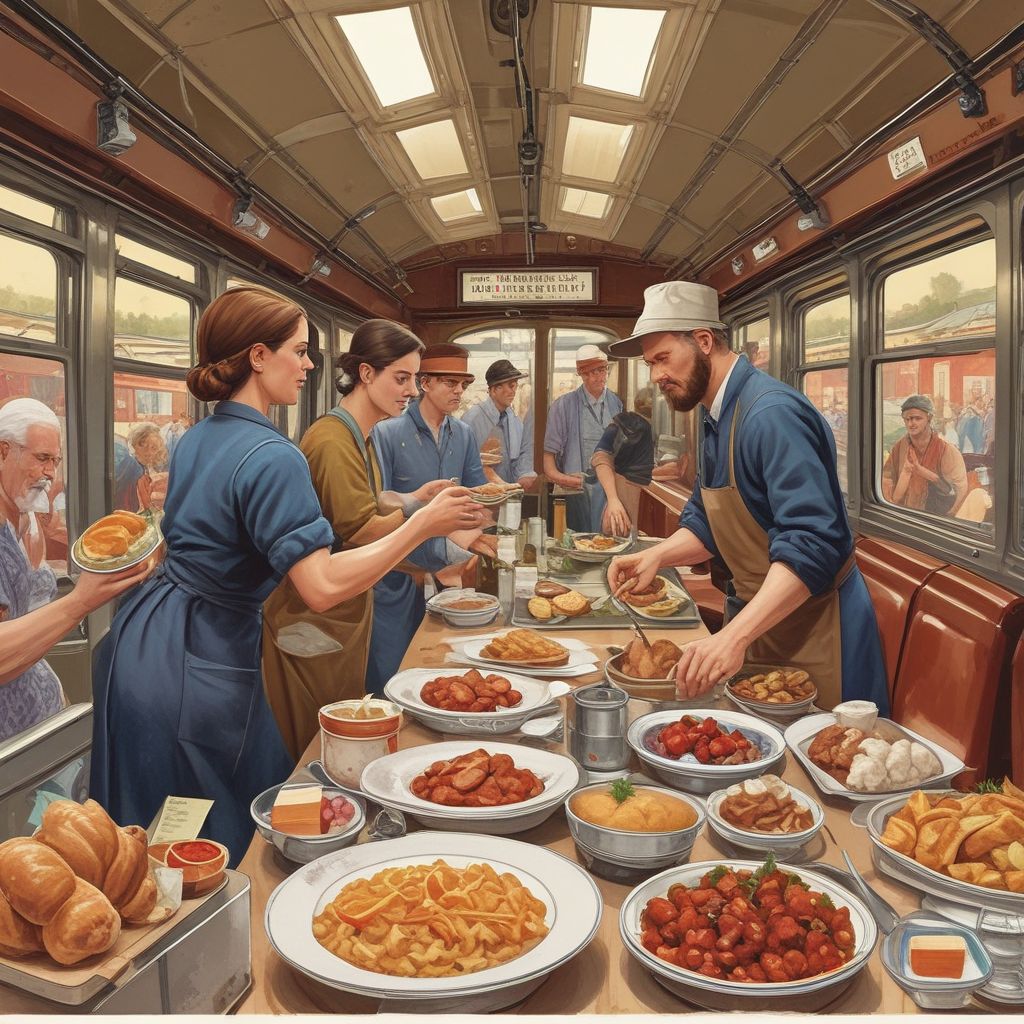
The Railway Pantry Revival is more than a travel trend—it’s a grassroots movement that turns regional train journeys into slow-travel feasts, where pop-up cooks, station vendors, and fellow passengers collaborate to showcase vanishing local ingredients. Riding lesser-known lines becomes an edible map: every stop, stall, and carriage can be a tasting room for regional stories and seasonal biodiversity.
Why regional train routes make such fertile ground for food revival
Unlike high-speed intercity corridors designed for efficiency, branch lines move at a human rhythm: long stops, quiet platforms, and slower timetables create the physical and social space for food to emerge as the trip’s defining feature. Small towns that larger routes bypass often hold centuries-old foodways—heirloom grains, forgotten cheeses, wild herbs harvested by foragers, and fish landed on a handful-of-people piers—that benefit from the intimacy of a slow train.
Three dynamics that make pantry revivals possible
- Pop-up cooks: Chefs and home cooks who set up temporary kitchens on platforms or in repurposed carriages, using local produce to create seat-to-seat tasting plates.
- Station vendors: Generations-old bakeries, dairies, and market stalls at small stations offering ready-to-eat specialties—scones, smoked fish, regional pickles—perfect for immediate consumption.
- Passenger participation: Community potlucks and shared platters where travelers trade recipes, ingredients, and stories—turning strangers into a communal dining table.
Map to a slow-travel tasting trip: how to plan your journey
Planning a Railway Pantry Revival trip means thinking like a curious eater and an informed traveler. Here’s a straightforward itinerary template to get started:
- Choose a lesser-known line: Look for regional timetables with frequent long stops—these are the incubators of local food activity.
- Research local producers: Search community markets, farmers’ co-ops, and regional food blogs for window-of-opportunity vendors that align with your travel dates.
- Book flexible tickets: Opt for open returns or multi-hop passes so you can linger where the food scene is richest.
- Pack small equipment: A reusable cutlery set, a cloth napkin, and a compact cooler will keep shared meals hygienic and enjoyable.
Finding pop-ups and secret menus
Local Facebook groups, regional tourism boards, and station noticeboards are surprisingly effective. Follow station cafés and market accounts on social media, subscribe to local newsletters, and ask platform staff—train attendants often know which vendors appear on market days or when a traveling cook is scheduled to set up.
What you’ll taste: five types of vanishing local ingredients worth chasing
- Heritage grains: Millet, bere, or locally adapted wheats used in flatbreads and porridge—nutty, textured, and tied to place.
- Artisanal cheesemaking: Small-batch farmhouse cheeses matured in disused station cellars or village barns, often made from raw milk of rare breeds.
- River and coastal catch: Line-caught fish sold by the fisherman at the pier and served that afternoon at the platform table.
- Foraged produce: Wild garlic, samphire, elderflowers and mushrooms foraged by locals and featured in delicate, ephemeral dishes.
- Heritage preserves and ferments: Pickles, chutneys, and kimchis made from seasonal surplus—perfect with freshly baked train rolls.
Practical etiquette for communal carriage dining
Joining a communal tasting on a train is part hospitality, part travel etiquette. Keep these rules in mind:
- Ask before sharing: always offer ingredients and plates to your carriage neighbors, and accept or decline gracefully.
- Label allergies and dietary needs: if you bring or prepare food, clearly note common allergens and whether dishes are vegetarian.
- Leave no trace: take packaging and scraps with you—use compost bins at stations if available.
- Respect timing: be mindful of announcements, ticket checks, and short stopovers—some exchanges require efficiency.
Mini-guide: hosting a platform pop-up in three steps
If inspired to host your own pop-up, the process is accessible and community-driven. Here’s a simple framework:
- Coordinate with station authorities: Request permission early and clarify safety, waste disposal, and noise considerations.
- Source locally: Partner with a nearby producer—helpful for bulk pickup and keeping the narrative authentic.
- Design a shareable menu: Small plates (3–5 bites each), clear labeling, and story cards explaining the ingredient’s origin make the experience memorable.
Stories from the carriages: brief snapshots
On the Severn branch, a retired baker sets out three kinds of soda bread each Friday and trades loaves for stories; in the coastal loop of Galicia, a fisherman arrives mid-morning with baskets of smoked mackerel that vanish within an hour; on a mountain spur in Kyoto Prefecture, a student collective serves steamed mochi flavored with foraged azuki beans and invites riders to pound rice in a communal mortar—small acts that stitch travel and taste together.
Why preservation matters
Beyond immediate pleasure, Railway Pantry Revival supports biodiversity, local economies, and cultural knowledge transfer. When passengers buy a jar of elderflower syrup or sit down to a bowl of heirloom bean stew, they’re voting with their wallets and attention for regional practices that might otherwise disappear under industrial food systems.
Traveling by rail becomes a method of stewardship: the slow pace sustains conversation, the marketplace on the platform sustains producers, and the shared meal sustains traditions.
Conclusion: Rediscovering slow-travel feasts on regional train routes reconnects travelers to the landscapes and livelihoods behind each bite; the Railway Pantry Revival offers an invitation to taste responsibly, travel curiously, and support the local stewards keeping rare ingredients alive.
Ready to book a tasting trip? Pack light, follow local vendors, and let the route decide the menu—then share what you tasted with fellow passengers.