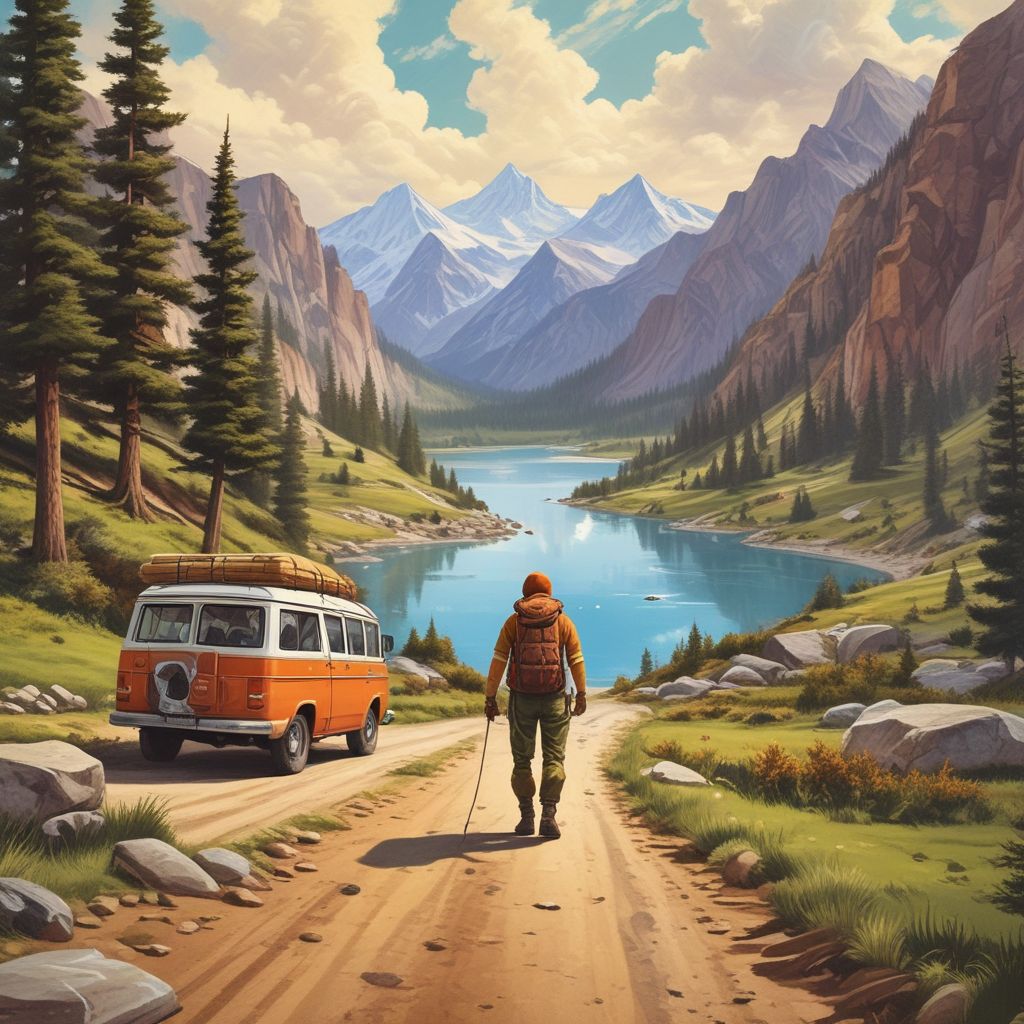
“Stitching Trails and Highways” is a flexible way to travel that mixes short road‑trip legs with intentional backpacking sections, letting you explore remote trails without committing to a single long thru‑hike or long-distance drive. This guide walks through planning strategies, smart gear swaps, safety and resupply advice, and three sample itineraries so flexible explorers can craft modular adventures that fit time, fitness, and curiosity.
Why stitch trails and highways?
Modular adventures let you enjoy the best of both worlds: the freedom and comfort of a vehicle for access and resupply, and the immersion of backpacking for the most scenic legs. Instead of committing to a nonstop multi-week hike or a long continuous road trip, stitching lets you choose short backpacking loops or point-to-point sections tied together by manageable drives. This approach works for families, mixed-ability groups, and solo travelers who want to test remote routes without losing a safety net.
Planning essentials
Good planning reduces stress and keeps your trip adaptable. Consider these practical steps before you leave:
- Define your core objective: scenic photography, wildlife viewing, solitude, or fitness—your goal influences route choice, season, and gear.
- Segment your trip: break the journey into 1–3 day backpacking sections connected by 1–4 hour driving legs. Make each segment self-contained so you can swap them in or out.
- Map access and exit points: identify trailheads with parking or nearby towns for bailouts, and check public versus private land access.
- Check permits and regulations: some parks require permits or restricted camping zones—reserve in advance for popular areas or peak season weekends.
- Plan resupply nodes: pick grocery, fuel, and gear stops at towns or trail angels so each backpacking leg can be light and repeatable.
Logistics and flexibility
- Build buffer days for weather delays or spontaneous side trips.
- Use one-way legs when parking or shuttle services exist; otherwise plan return loops to your vehicle.
- Download offline maps, save waypoint coordinates, and leave a trip plan with someone you trust.
Smart gear swaps: car comforts vs. backpacking lightness
One of the advantages of stitching is the ability to keep nonessential or heavy gear in the car while carrying a pared-down pack on trail. Think in terms of car-based luxuries and trail essentials:
Keep in the car (car comforts)
- Extra clothing layers, bulky sleeping bag or liner (if space allows)
- Camp chair, large cooking stove, and extra fuel
- Food bulk (cooler with perishables for a few days)
- First-aid kit with extras, repair kits, and spare shoes
- Photography gear, bike, or other adventure toys that aren’t practical on trail
Carry on the trail (trail essentials)
- Lightweight shelter and sleep system (quilt/tarp or ultralight tent)
- Minimal cooking setup (canister or small backpacking stove) and calorie-dense food
- Water filtration or purification and hydration plan
- Lightweight clothing layers, rain shell, and footwear suitable for terrain
- Navigation tools and compact first aid
Swap strategy: Before each backpacking leg, pick supplies from the car kit to augment light trail gear—use the car as a “basecamp” to top up comforts for evening and recovery.
Safety, permits, and environmental responsibility
Prioritize safety and Leave No Trace principles while stitching together routes.
- Monitor weather forecasts for both highway and alpine conditions; unexpected storms can close roads or make passes hazardous.
- Be aware of wildlife patterns—store food properly in car and on trail to avoid attracting animals.
- Respect private land; use established trailheads and designated campsites where required.
- Carry communication options: a fully charged phone, power bank, and consider satellite messenger for remote legs.
Sample modular itineraries
Below are three scalable sample itineraries that illustrate how to stitch together road and trail for different trip lengths and objectives.
Weekend: Coastal Bluffs + Point Loop (2–3 days)
- Day 1: Drive to coastal town, park at trailhead. Backpack a 6–10 mile point-to-point section with cliffside views; camp at an established beach or bluff campsite.
- Day 2: Short sunrise hike, return to vehicle, drive to nearby state park for a 4–6 mile loop with tidepool exploration; resupply in town and enjoy a hot meal.
- Why it works: short drives, minimal pack weight, lots of scenic payoff—perfect for those new to modular trips.
One‑week: Mountain Passes and River Valleys (5–7 days)
- Day 1: Drive to trailhead A, overnight camp near car (leave heavy gear in vehicle).
- Day 2–3: Backpack point-to-point alpine pass (10–12 miles) with lightweight kit; exit at trailhead B where vehicle pickup or shuttle is arranged.
- Day 4: Drive a scenic highway to next access town, resupply and rest.
- Day 5–6: Short backpacking loop along river valley (6–8 miles) with fishing or photography time, return to car, and drive home or to next destination.
- Why it works: mixes challenging elevation gain with restorative low-altitude sections and allows car-based resupply between tougher legs.
Extended flex trip: Multi-region modular route (10–14 days)
- Plan three 2–4 day backpacking legs in separate regions connected by scenic driving legs—e.g., forested canyons, high desert, lakeside basin.
- Use one town per region as a “hub” where heavier items are kept, laundry and resupply are handled, and turns are made between trail sections.
- Include a zero day for weather or rest and a contingency route so the trip remains flexible.
Resupply, transport and budgeting tips
- Budget for gas and shuttle costs, plus a contingency fund for unexpected accommodations if weather forces a change.
- Use small rural markets and post offices for resupply drops; prepaid resupply boxes to a local business can be a lifesaver in remote stretches.
- Consider renting a fuel-efficient or high-clearance vehicle depending on road conditions; share expenses by traveling with friends.
Final checklist before you go
- Route segments and bailouts mapped, permits reserved
- Car kit and trail kit packed with clear swap list
- Communication plan and emergency contact left with someone reliable
- Weather and road conditions checked within 24 hours of departure
Stitching trails and highways offers enormous freedom: the comfort of a car, the intimacy of the trail, and the ability to adapt on the fly. With clear planning, smart gear swaps, and flexible itineraries, even a short trip can feel like a deep wilderness escape.
Ready to design your own modular adventure? Start by picking one trail segment and one driving leg—book the permit and go explore.