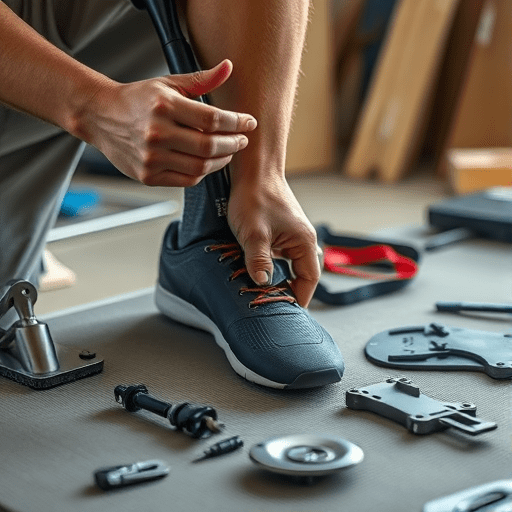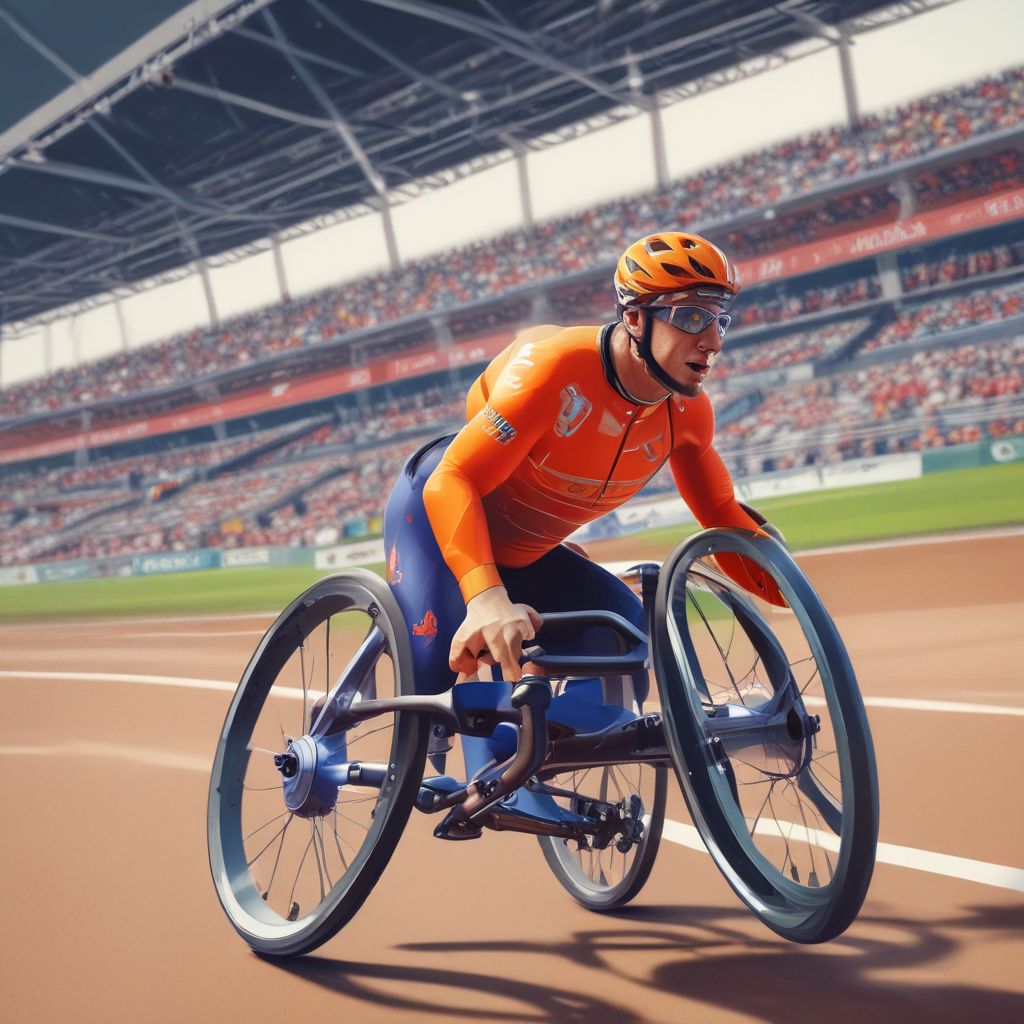
At the intersection of high-performance sport and rapid prototyping, 3D-printed wheelchairs are reshaping Paralympic racing by offering bespoke aerodynamics, lighter frames, and unprecedented customization. Athletes and engineers alike are seizing additive manufacturing to chase hundredths of a second, while the Paralympic movement grapples with how these technological leaps fit within rules meant to ensure fair competition.
From garage experiments to podiums: a brief history
Wheelchair racing has always combined athleticism with equipment innovation: from lightweight aluminum frames to carbon-fiber racing chairs. The arrival of 3D printing accelerated that evolution. Initially used for small parts and custom fittings, additive manufacturing now produces entire components and, in experimental cases, full structural elements that blend complex geometry with optimized strength-to-weight ratios.
Why 3D printing matters for Paralympic athletes
- Customization: Rapid prototyping allows chairs tailored precisely to an athlete’s body shape, posture, and propulsion mechanics.
- Complex geometries: Lattice structures and organic forms can reduce weight without sacrificing stiffness.
- Iterative tuning: Designers can test, adjust, and reprint parts quickly between training cycles or competitions.
- Cost and accessibility: In some contexts, local printing can reduce lead times and costs for custom adaptive solutions.
Athletes at the forefront: stories of speed and adaptation
For many racers, the switch to 3D-printed components has meant tangible performance gains. Take Paralympic hopeful Maya Rivera (pseudonym for a composite profile): after working with engineers to alter footrest geometry and cockpit ergonomics via rapid prototyping, she shaved significant time off her 400m splits because her stroke efficiency improved and upper-body recovery was quicker.
Case study: marginal gains add up
Small changes—angled handrim adapters, lighter wheel hubs, and personalized seat contours—compound during a race. Athletes report less shoulder strain, improved power transfer, and better comfort on long-distance events. The iterative nature of 3D printing also enables mid-season adjustments based on biomechanics testing, something impossible with traditional, one-off fabrication methods.
Engineering breakthroughs: materials, structures, and testing
Engineers working on 3D-printed wheelchairs blend materials science, computational design, and rigorous safety testing. Common approaches include:
- Hybrid builds: combining printed components (e.g., connectors, brackets, lattice subframes) with conventional carbon-fiber or aluminum tubes for proven strength where needed.
- Topology optimization: software-driven geometry that places material only where stress demands it, enabling lighter parts that still meet safety margins.
- Advanced polymers and metal printing: from reinforced nylon and high-performance thermoplastics to selective laser melting for titanium parts in critical load zones.
Testing and certification
Because racing chairs endure intense cyclical loads and potential impacts, every printed part must undergo fatigue testing, impact simulation, and real-world trials. Engineers often run finite element analyses, physical load tests, and collaborate with sports scientists to validate durability and ensure athlete safety.
Classification dilemmas and the fairness debate
The rapid innovation raises difficult questions for Paralympic classification systems designed to equalize functional ability. If a 3D-printed modification materially changes an athlete’s propulsion or stability, should it be considered a performance aid beyond permitted equipment?
- Performance vs. impairment balance: Classification seeks to level the playing field by grouping athletes by functional ability; advanced equipment risks tipping that balance.
- Regulatory lag: Rules often trail technology—by the time a committee updates guidelines, designers have moved on to a new approach.
- Access inequality: Not all athletes have equal access to the best designers or printers, which can magnify disparities between wealthier programs and under-resourced competitors.
How governing bodies are responding
Regulators are experimenting with equipment standards, mandatory disclosures of designs, and testing protocols to measure whether a chair provides an unfair mechanical advantage. Some proposals include standardized test rigs to quantify propulsion efficiency or stability and equipment audits at major events. The consensus is cautious: encourage innovation that improves safety and accessibility, but limit designs that unduly augment performance beyond an athlete’s functional capability.
Accessibility and the ethical dimension
A major promise of 3D printing is democratizing access to custom adaptive devices—local clinics and universities can print bespoke fittings or replacement parts at lower cost and faster turnaround. That benefit touches everyday wheelchair users as much as elite racers:
- Faster repairs: replacement parts can be printed locally, reducing downtime.
- Personalized comfort: better seating reduces pressure sores and improves quality of life.
- Innovation transfer: tech developed for racers can filter into consumer products, improving mobility for millions.
Yet the ethical challenge persists: ensuring that performance-level innovations don’t remain siloed behind elite teams or commercial patents that limit widespread benefit.
Looking ahead: a balanced future for technology and sport
Expect continued convergence of athletes, engineers, and regulators. Machine learning-driven design, new printable composites, and closer biomechanical monitoring will push performance boundaries—but the sport will need transparent protocols to keep competition fair. Collaborative frameworks that involve athletes in rule-making, open-source design repositories for community access, and tiered equipment classifications could help align innovation with equity.
Practical steps for stakeholders
- Athletes: work closely with engineers and request independent validation of any new kit before competition.
- Engineers: prioritize safety testing, open documentation, and consider low-cost variants to improve accessibility.
- Governing bodies: create rapid-review committees and testing standards that can keep pace with emergent technologies.
3D-printed wheelchairs are not a silver bullet, but they are a powerful tool that—when paired with thoughtful regulation and a focus on accessibility—can propel Paralympic racing into a faster, fairer, and more inclusive future.
Conclusion: The marriage of additive manufacturing and adaptive sport promises exciting gains in speed, comfort, and customization, but it also forces stakeholders to confront classification, safety, and equity issues head-on.
Stay informed and support sport-tech that balances performance with fairness—join a discussion, follow athlete-led initiatives, or contact your governing body to learn how you can help.