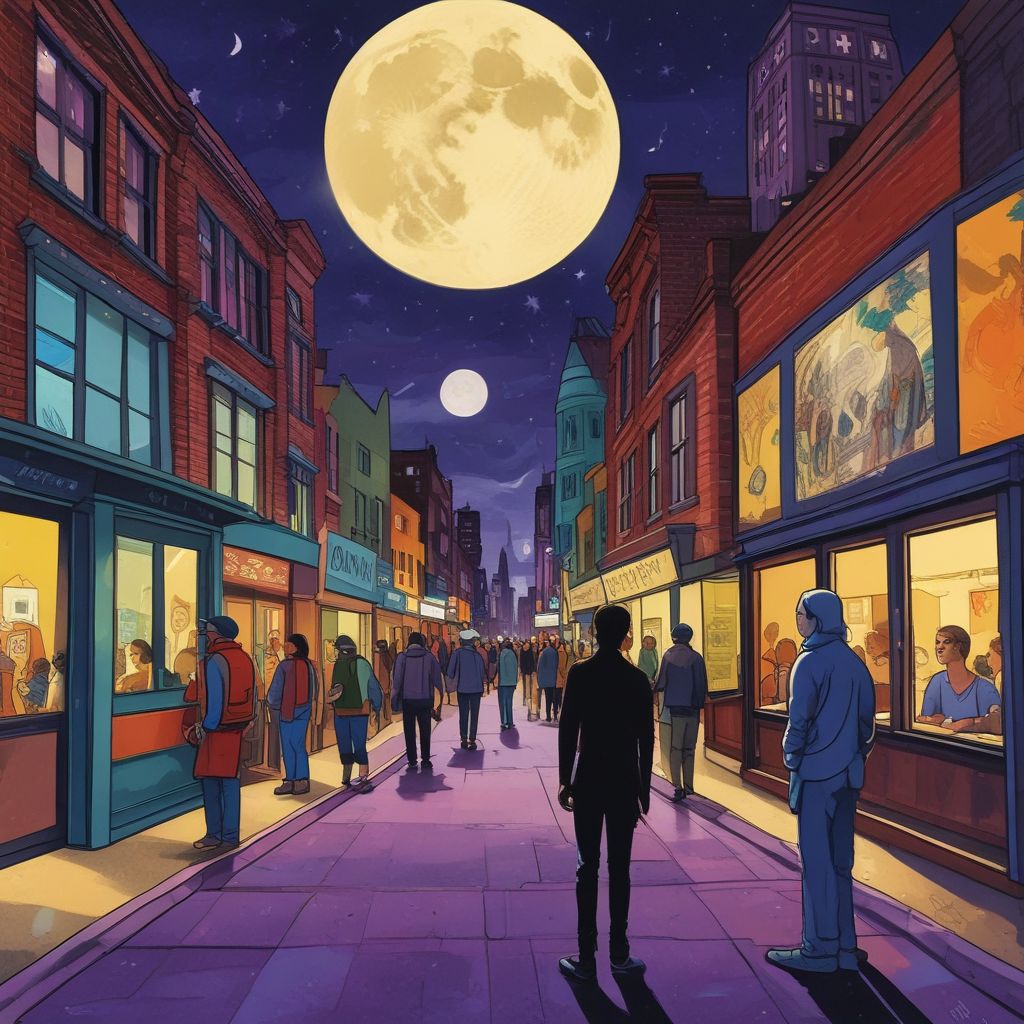
The concept of Moonlight Galleries—after-hours museum programming—has quietly reshaped how cities experience culture after dark. What used to be quiet, hushed galleries have become stages for late-night exhibitions, live performances, and community pop‑ups, drawing new audiences and reimagining museums as vibrant nocturnal hubs for discovery, socializing, and creative exchange.
Why Moonlight Galleries Matter
Urban nightlife has historically revolved around bars, clubs, and concert venues. Moonlight Galleries broaden that map by offering culturally rich, low‑pressure environments that appeal to diverse crowds: young professionals, families looking for safe evening activities, artists seeking performance space, and locals who wouldn’t otherwise visit during daytime hours. These programs increase access, boost museum revenue, and strengthen the museum’s role as a civic gathering place.
Key benefits at a glance
- Expanded audiences: Nighttime schedules accommodate shift workers, students, and commuters.
- Creative experimentation: After-hours events allow curators and artists to test immersive formats, participatory art, and multimedia performances.
- Community building: Pop‑ups and local partnerships foster neighborhood engagement and provide space for emerging creatives.
- Economic activation: Extended hours support retail, cafes, and nearby businesses while generating ticket revenue and memberships.
What Late‑Night Exhibitions Look Like
Late‑night exhibitions transform the tone and choreography of an institution. Lighting shifts from bright, clinical illumination to atmospheric cues that guide movement and mood; audio elements and projection mapping become plausible without disrupting daytime collections; and interactive works that might be regulated in daytime can be opened to playful experimentation after hours.
Programming formats to consider
- Curated walk-throughs: Short guided tours with a social element, like wine tastings or themed playlists.
- Immersive installations: Projection, scent, and kinetic elements that thrive in low light.
- Pop‑up exhibitions: Rotating micro-shows by emerging artists, often co‑created with local communities.
- Interactive labs: Drop-in maker spaces where visitors co-create or respond to works.
Performances, DJ Sets, and Pop‑Ups: Programming That Dances With the Night
Moonlight Galleries often blend visual art with sound and performance. Contemporary curators are partnering with experimental musicians, theater troupes, and multimedia collectives to design nights that feel like cross‑disciplinary festivals. A late-night program might include a 30‑minute performance, followed by an open mic or DJ set that keeps visitors moving through gallery spaces.
Successful elements for nocturnal programming
- Short, shifting acts: Multiple shorter performances encourage circulation and repeat visits.
- Safe social spaces: Comfortable seating areas and well‑lit exits make late nights welcoming.
- Food and beverage partnerships: On‑site cafés or local food vendors extend stays and support accessibility.
- Hybrid ticketing: Tiered access (early entry, performance-only, gallery stroll) accommodates different budgets.
Community Pop‑Ups: Activating Local Voices
Pop‑ups are a signature element of Moonlight Galleries, offering short-term platforms for community organizations, neighborhood artists, and small businesses. These activations can occur in lobbies, atriums, or repurposed storage rooms, and they make the museum feel less like a fortress of objects and more like a shared civic living room.
How pop‑ups magnify impact
- New narratives: Local storytellers and artists add context and lived experience to canonical collections.
- Skill sharing: Workshops and demonstrations create hands-on learning opportunities.
- Partnerships: Collaborations with nonprofits, universities, and small businesses broaden networks and funding sources.
Designing the Nocturnal Museum Experience
Successful Moonlight Galleries balance atmosphere, safety, and interpretation. Lighting is arguably the most important design tool—subtle accents direct attention and preserve artworks while enabling performance staging. Equally important are clear wayfinding, staff trained in crowd flow and de‑escalation, and accessible programming for neurodiverse and mobility‑impaired visitors.
Practical considerations for organizers
- Conservation planning: Ensure after-hours elements don’t compromise collections (temperature, humidity, light exposure).
- Sound management: Isolate loud performances from delicate galleries with acoustic treatments or designated performance zones.
- Permitting and licensing: Secure late-night permits, alcohol licenses, and performance rights early.
- Marketing cadence: Use social media teasers, artist takeovers, and neighborhood flyers to attract both regulars and first-timers.
Measuring Success: Metrics That Matter
Beyond ticket sales, Moonlight Galleries should measure community impact and long-term engagement. Useful metrics include repeat visitation rates, new membership sign-ups during after-hours events, partnership renewals, and qualitative feedback from community participants. Surveys and short interviews during or after events help capture stories that numbers miss.
Questions to evaluate
- Did the program attract a more diverse audience than daytime hours?
- Were local artists and organizations meaningfully compensated and credited?
- Did on‑site businesses and cultural partners report increased nighttime activity?
Examples and Inspiration
Many institutions have embraced after-hours programming as a long-term strategy. Programs like “Late at Tate” in London, midnight openings at contemporary art centers, and metropolitan museums’ Friday night series demonstrate that cultural institutions can successfully reframe themselves as nighttime destinations. Smaller, community-focused museums are also experimenting with block-party style takeovers that feature local food trucks, open-air performances, and artist markets.
Takeaway from successful models
- Start small with pilot nights to learn logistics and audience preferences.
- Co-create with local partners to build trust and authenticity.
- Iterate based on feedback—nocturnal programming evolves rapidly with its audience.
Moonlight Galleries show that museums can be more than repositories of objects—they can be nocturnal engines of culture, commerce, and community. By thoughtfully combining exhibitions, performances, and pop‑ups, after‑hours programming invites cities to see their cultural institutions in a new light: alive, social, and essential to urban nighttime life.
Conclusion: As cities seek safer, more enriching ways to socialize after dark, Moonlight Galleries offer a creative blueprint for reimagining nightlife through art, community, and shared experience.
Ready to explore a Moonlight Galleries event in your city? Check your local museum’s events calendar and bring a friend—discover the night anew.