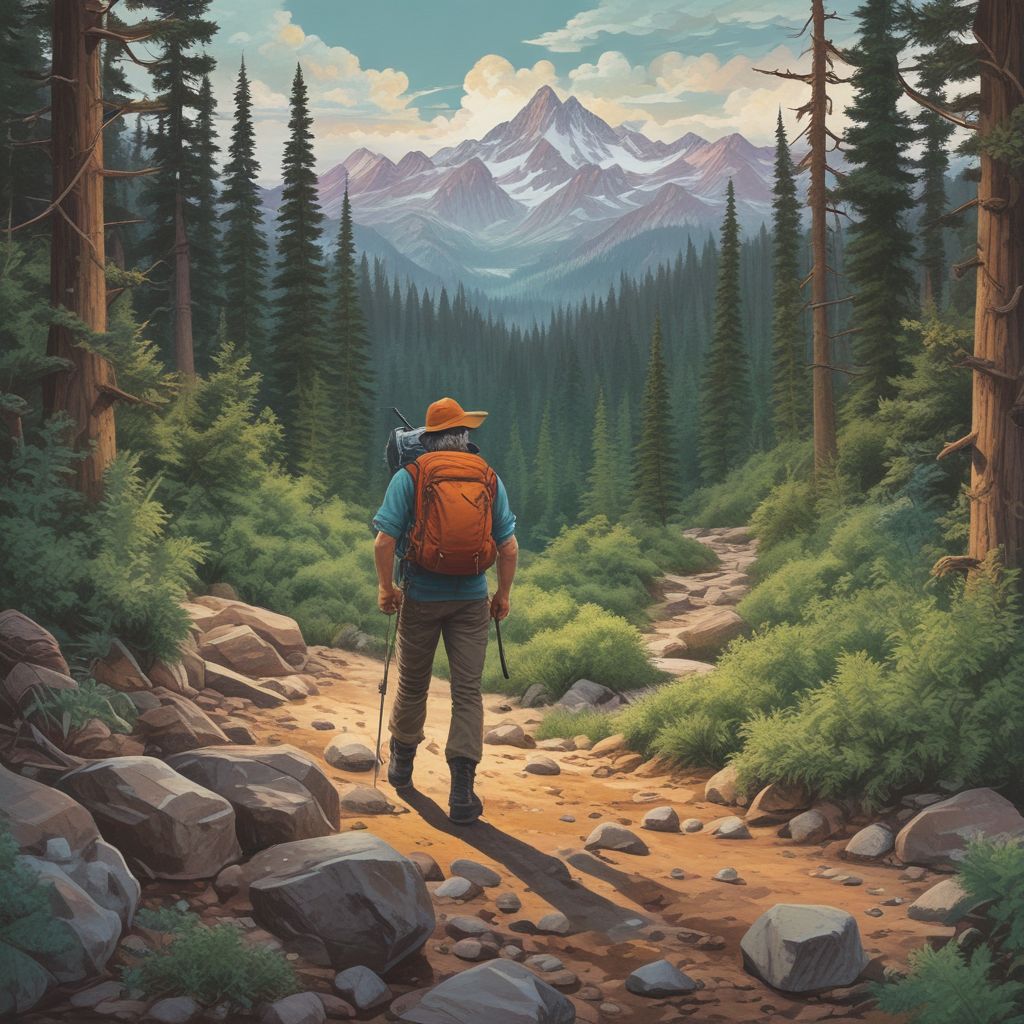
Weeknight microhikes—focused, 2-hour outings designed to fit between work and bedtime—are transforming how urban dwellers reclaim their evenings for fresh air, movement, and clear thinking. This guide shows how to find and plan a weeknight microhike, suggests practical routes near cities, and gives gear and safety tips so busy people can get the most restorative benefit from a short bite of wilderness.
Why weeknight microhikes work
Microhikes condense the best parts of a day-hike into a manageable evening: brisk movement, natural light exposure, and a mental shift away from screens and meetings. Unlike long weekend trips, a 90–120 minute hike is low friction—no overnight packing, no travel time to a trailhead far outside the city, and easy to schedule multiple times per week. Physiologically, a short hike can reduce stress hormones, improve mood, and prime sleep quality when done at least an hour before bedtime.
Planning a 2-hour microhike: a simple template
Turn a weeknight into microhike time with a repeatable plan. A reliable template minimizes decision fatigue and makes the habit stick.
- Window: 2 hours total (including transit): 15-minute commute, 90-minute hike, 15-minute return/transition.
- Start time: Aim to start 2–3 hours before bedtime and earlier in winter to maximize daylight.
- Route type: Choose loops or out-and-back trails close to transit or with safe parking; 3–5 miles (5–8 km) with moderate grade is ideal.
- Decision checklist: Weather check, headlamp when sunset is near, phone charged, basic kit in a daypack or belt.
Five practical route ideas for city evenings
Below are adaptable route concepts that work in many metro areas; swap local parks and greenways that fit the description.
- Riverside Loop: A paved or packed-dirt loop along the city river with benches and views—perfect for gentle elevation and sunset reflection.
- Foothill Quick Ascent: Short, steep connector trail from a suburban neighborhood to a ridgeline viewpoint—fast heart-rate boost, big payoff.
- Rail-to-Trail Out-and-Back: Smooth, predictable surface for those who like steady pacing and easy navigation; extend as daylight allows.
- Urban Forest Circuit: A loop through a city preserve or wooded park with singletrack and natural sounds—great for stress recovery.
- Sunset Bluff Walk: Coastal or lake bluffs where a short climb ends at sweeping water views; ideal for photography and mindful breathing.
How to pick your local microhike
Use local park maps, trail apps (e.g., AllTrails, Trailforks), and community groups to find short loops. Look for trailheads within a 15–25 minute commute from your workplace, and test the route once on a weekend to confirm time and footing.
Essential gear for a fast, safe evening hike
Pack light but smart. The goal is a compact kit that covers comfort, warmth, and basic safety.
- Footwear: Trail runners or supportive hiking shoes—comfortable sock fit is crucial.
- Layered clothing: Breathable base layer, light insulating mid-layer, and a windbreaker. Temperatures drop quickly after sunset.
- Daypack or belt: Small (8–12L) pack or hip belt to carry essentials without bulk.
- Hydration & snacks: 500–750 ml water bottle or reservoir and a snack bar or nut mix.
- Light & navigation: Compact headlamp (and spare batteries) if sunset is possible; smartphone with offline maps or a small physical map.
- Safety items: Mini first-aid kit, whistle, and a charged phone; for colder months add a space blanket.
- Optional: Trekking poles for stability, lightweight camera or notebook for reflective practice.
Safety, timing, and neighborhood etiquette
Short trips are not risk-free—planning reduces vulnerabilities.
- Tell someone: Send a quick message with route and expected return time if hiking alone.
- Know the daylight: Check sunset times and add buffer for cooler temps and lower visibility.
- Trail etiquette: Yield to faster hikers and cyclists, keep dogs leashed where required, and follow local rules.
- Navigation backup: If phone navigation fails, rely on trail landmarks and conservative pacing—turn back early if unsure.
- Respect wildlife: Move quietly, avoid feeding animals, and store trash until proper disposal.
Make it restorative: simple rituals to amplify benefits
A microhike becomes restorative through intention, not just distance. Try one or two of these rituals:
- Mindful start: Begin with three deep breaths and notice body tension before you walk.
- Single-tasking: Leave calls and email for later; keep the hike phone-free for at least 30 minutes.
- Mini slow-stop: Pause at a viewpoint for a 2–3 minute sensory reset—sight, sound, smell.
- Gratitude anchor: Conclude by noting one thing the hike helped change—a clearer thought, eased shoulders, or a bright sky.
Scheduling tips to keep the habit
Consistency beats intensity. Block the time on your calendar like any important meeting, invite a coworker once a week, and have a go-bag ready to remove startup friction. In winter, prioritize earlier starts and brighter layers; in summer, go later to enjoy longer daylight but always carry water.
Weeknight microhikes are a practical, low-cost way to stitch small doses of wildness into a busy life—two hours can shift your week toward better sleep, clearer thinking, and a calmer nervous system.
Conclusion: Adopt a 2-hour weeknight microhike as a repeatable ritual—pick a nearby route, pack a compact kit, and move with intention to reclaim city evenings for wellbeing.
Ready to try one tonight? Choose a route, set a time, and step outside.