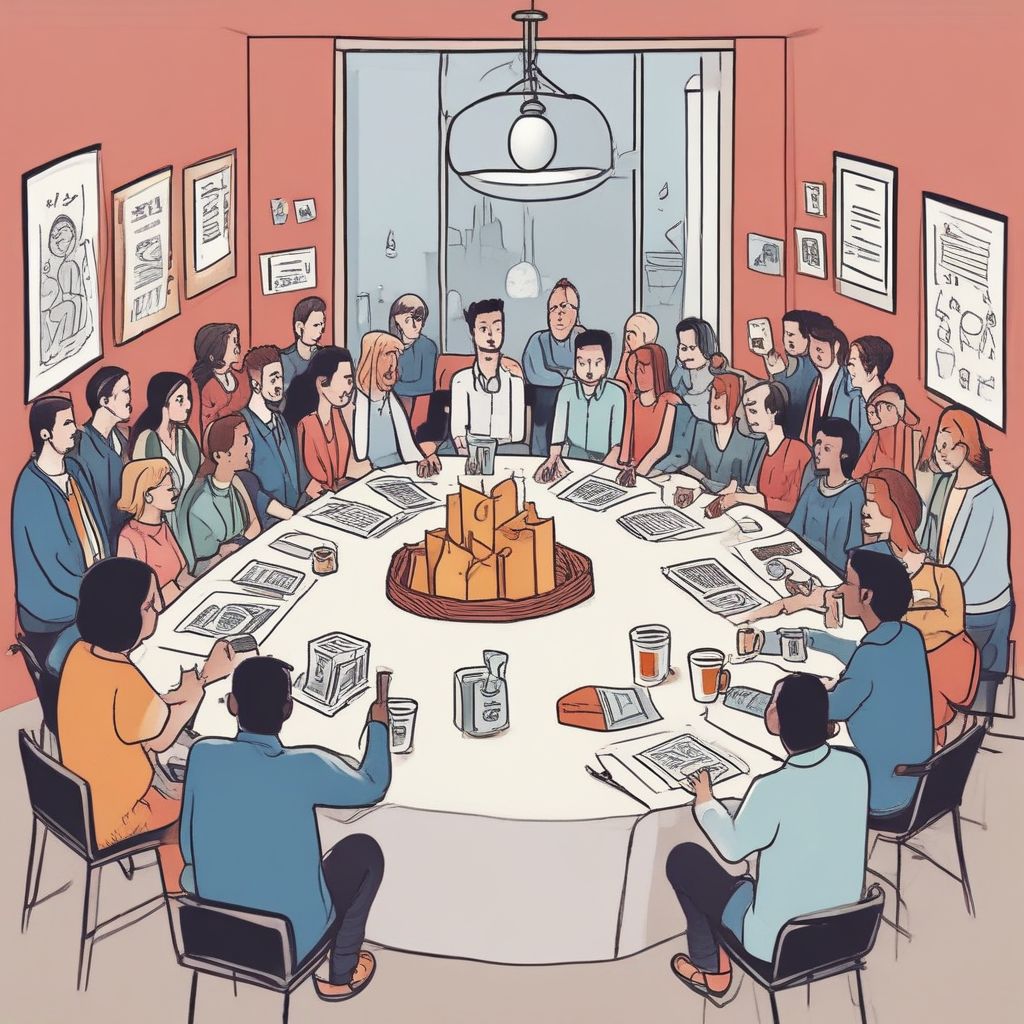
Micro-rituals are the small, repeatable shared habits that make company culture tangible—especially for remote-first startups where casual watercooler moments don’t exist. By designing lightweight, predictable interactions that require little time or money, startups can accelerate onboarding, deepen trust, and improve retention without adding more meetings to already-full calendars.
Why micro-rituals work for remote-first startups
Micro-rituals leverage human psychology: repetition creates safety, predictability reduces friction, and shared patterns signal membership. For distributed teams, those signals get diluted; rituals restore the connective tissue. Compared to policies or long programs, micro-rituals are low-cost, low-resistance, and scale naturally because each action is small and easy to adopt.
Core benefits
- Faster social onboarding: New hires learn norms through participation rather than memos.
- Habitual trust-building: Regular, brief rituals create repeated positive interactions that accumulate into trust.
- Retention through belonging: Small, consistent gestures make employees feel seen and valued.
- Asynchronous-friendly: Rituals can be designed for time zones and flexible schedules.
Design principles for effective micro-rituals
Successful rituals follow a few simple rules so they don’t become another meeting or checkbox:
- Keep it under 5 minutes: Short is sustainable.
- Make participation optional but visible: Encourage rather than mandate.
- Automate reminders: Use lightweight notifications or calendar snippets.
- Connect a feeling to an action: Name the ritual so it carries meaning (e.g., “Friday Wins”).
- Rotate ownership: Let different people lead to increase inclusion and variety.
Practical micro-rituals that boost onboarding, trust, and retention
1. “Two-Minute Introductions”
On day one, ask new hires to post a 2–3 sentence introduction and one non-work fact in a shared channel. Pair this with a pinned thread where teammates reply with a welcome GIF or one-sentence welcome—no long replies required.
2. “Morning Snapshot”
A short asynchronous check-in where teammates post one sentence about what they’ll focus on that day and one quick personal note (e.g., “walking the dog at 3pm”). It clarifies priorities and humanizes schedules across time zones.
3. “Micro-praise Pop”
Create a channel or fuss-free widget where anyone can drop a one-line shoutout when a teammate helps out. Weekly auto-aggregation highlights top helpers in a short email or Slack post, reinforcing helpful behavior.
4. “Weekly Wins (60 seconds)”
Once a week, a single person collects 3–5 one-line wins from the team and posts them. Reading a short list of wins focuses attention on progress and creates momentum without requiring attendance.
5. “Idea Ping-Pong”
Encourage cross-team creativity by passing a two-line idea prompt to the next person every 48 hours. After a week, the chain’s thread is shared for optional feedback—this ritual sparks serendipity, and new hires learn who to ping for creative lifts.
6. “Offboard Echo”
When someone leaves, ask them to record one 60–90 second tip or one-line “what I wish I knew” note. This builds institutional memory while signaling that people’s experiences matter—boosting psychological safety for those who stay.
Making micro-rituals stick without adding meetings
Implementation is as important as the ritual choice. Follow these practical steps:
- Start small: Pilot one ritual for 4–6 weeks with a volunteer cohort.
- Use existing tools: Leverage Slack threads, Notion comments, or a lightweight form instead of building new systems.
- Measure simple signals: Track participation rate, new-hire feedback, and retention trends rather than vague metrics.
- Document rituals: Keep an editable “Ritual Playbook” so it’s easy for remote hires to join in.
- Celebrate minimal wins: Share adoption stats monthly—small progress fuels momentum.
How to measure impact without bureaucracy
Micro-rituals should be measured with lightweight, meaningful indicators:
- Participation rate: Percentage of team members contributing at least once per month.
- Onboarding satisfaction: One-question pulse at 30/60/90 days: “Did the team rituals help you feel connected?”
- Qualitative anecdotes: Collect one short quote per month from new hires about what helped them belong.
- Retention signals: Monitor voluntary churn trends over quarters, noting when rituals were adopted or changed.
Common pitfalls and how to avoid them
Even small rituals can backfire if poorly designed:
- Ritual fatigue: If too many rituals accumulate, prune ruthlessly—prioritize those with the highest participation.
- Performative participation: Avoid scoring or gamifying in a way that drives shallow posts; keep it human.
- Inaccessibility: Time-zone-centric live rituals exclude remote teammates—favor async formats or mirrored time windows.
- Lack of follow-through: If organizers stop aggregating or championing, rituals collapse—rotate ownership and document responsibilities.
Examples from startups doing this well
Several remote-first startups report real gains by adapting micro-rituals:
- A design shop that reduced first-month confusion by using a “starter thread” ritual where three teammates pledge to help a new hire in their first two weeks.
- A B2B startup that increased cross-team collaboration by running a weekly “idea ping” thread, which led to two feature prototypes in three months.
- A tiny engineering org that cut onboarding time by half by pairing “two-minute introductions” with a short technical FAQ recorded by the hiring manager.
Getting started checklist
- Pick one micro-ritual aligned to your biggest pain (onboarding, trust, or retention).
- Define a 4–6 week pilot with clear, minimal metrics.
- Automate reminders and document procedures in a shared playbook.
- Rotate a facilitator every month and gather one qualitative quote from a new hire.
- Review and iterate—drop rituals that don’t move the needle.
Micro-rituals are not magic, but they are practical design choices that make remote culture reliable and humane. When teams choose small, repeatable actions that honor people’s time and attention, those actions compound into stronger onboarding, deeper trust, and better retention.
Start small this week: pick one 5-minute ritual, run a four-week pilot, and collect one piece of feedback—culture scales from tiny habits.