10-Minute Mobile Tournaments are redefining competitive gaming by making esports accessible to people with only a short window of free time—like daily commuters—while unlocking new monetization and community growth opportunities for developers and publishers. This article explores why ultra-short competitive formats work on mobile, the product and business patterns behind them, and how communities are forming around these pocket-sized competitions.
Why ultra-short competitive formats resonate with commuters
Modern commuters often have fragmented time: a bus ride, a train segment, or a coffee stop—rarely long enough for a full match. Ultra-short formats meet that reality by condensing high-stakes competition into 10 minutes or less. That tight timeframe delivers excitement without the commitment, enabling routine participation and daily habit formation.
- Time-friendly engagement: Matches that start, peak, and finish within a commute slot fit naturally into daily schedules.
- Low friction: Quick entry, instant matchmaking, and single-session rewards lower the barrier to play.
- Replayable intensity: Short matches increase the frequency of high-arousal moments, reinforcing retention through repeated dopamine hits.
Design patterns that make 10-minute tournaments work
Successful pocket esports titles adopt several consistent design patterns to preserve fairness and fun while keeping sessions brief.
Concise rules and instant onboarding
Simple, easy-to-learn mechanics let players compete immediately. Tutorials are optional and contextual, not mandatory—newcomers can jump directly into low-stakes brackets.
Segmented matchmaking and micro-brackets
Instead of long lobby times, games use micro-brackets (e.g., 8–16 players) and skill-tiered queues to ensure matches are competitive and fast to assemble.
Session-based rewards and meta-progression
Short-term rewards (match chests, streak bonuses) combined with longer meta-progression (season passes, ranked ladders) balance instant gratification and long-term motivation.
New monetization models tailored to pocket play
Monetization in 10-minute mobile tournaments leans away from single large purchases and toward layered, context-sensitive revenue streams that respect short sessions and frequent interactions.
- Microtransactions for convenience: Entry-fee exemptions, instant revives, or cooldown skips that don’t unbalance core competition.
- Battle passes adapted for mini-seasons: Fast-moving, commuter-friendly passes that refresh more often than traditional seasonal passes.
- Sponsor and branded micro-events: Short, themed tournaments sponsored by brands—ideal for in-transit audiences and native ad integrations.
- Rewarded ads and offer walls: Optional short ads that grant match boosts or cosmetic items, integrated into pre- or post-match flows so they don’t disrupt the commute.
- Tokenized or pooled prize systems: Community-funded prize pools or token rewards that incentivize social engagement and repeat play.
Community-driven growth: from local leaderboards to global fandoms
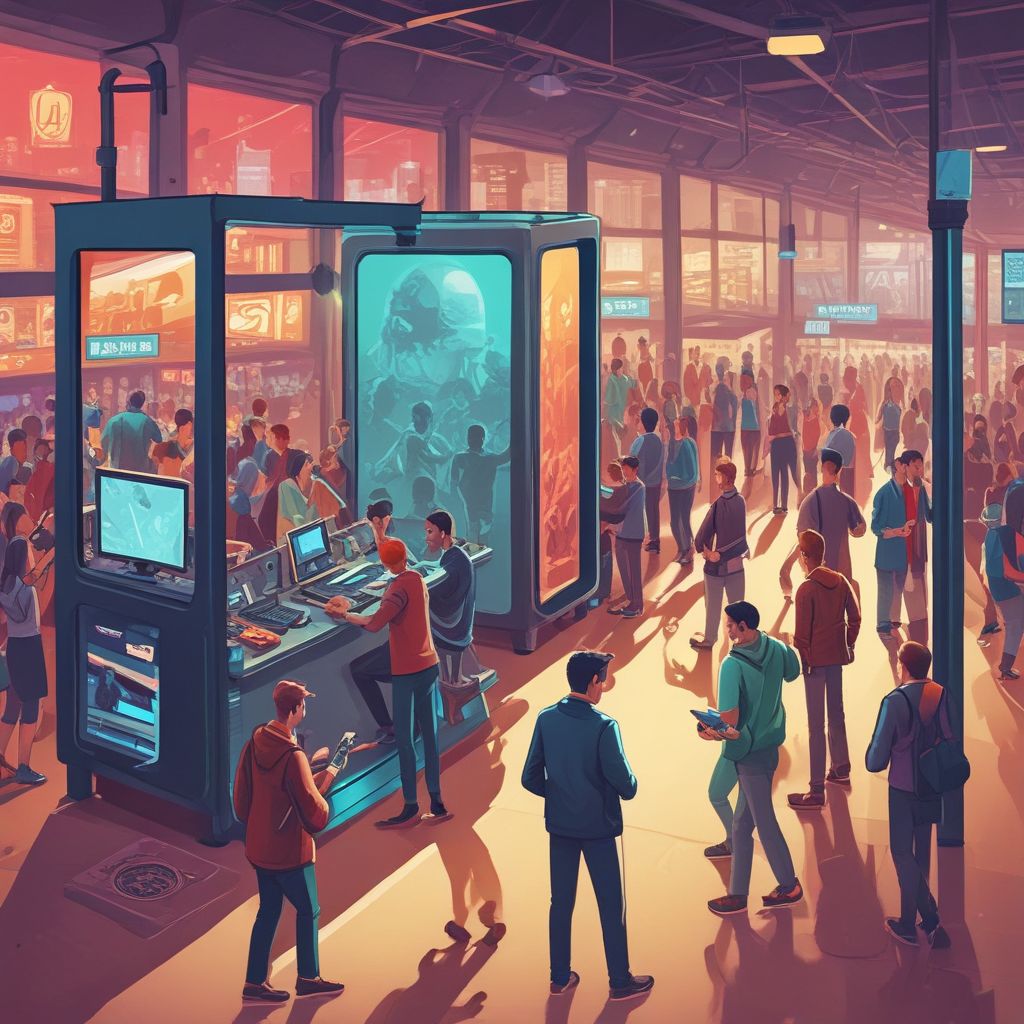
Communities are the lifeblood of pocket esports—players share short highlights, form micro-clans, and compete on localized leaderboards that mirror their daily routes and schedules.
Local and hyperlocal engagement
Features like neighborhood leaderboards or transit-route tournaments encourage friendly rivalry among commuters who physically cross paths, turning public transit into a social stage.
Content and social loops
- Auto-clipped highlights (10–30 seconds) make it easy to share standout plays on social media.
- Integrated chat rooms, voice snippets, and match replays create low-effort ways to connect and compare performance.
- Creator-friendly tools—short-form broadcasting and co-op tournament hosts—amplify viral growth with minimal production cost.
Case examples: what’s working in the wild
Several mobile titles—both indie and established—are experimenting with commuter-focused tournaments. Common traits among successful examples include short match clocks, repeatable daily challenges, and lightweight social features that amplify community participation without forcing long play sessions.
- Indie battle royale variants using 8-player micro-matches achieve high retention by offering multiple short attempts per commute.
- Sports-tactic games that condense rounds into quick plays, with daily ladder resets that keep leaderboards fresh and relevant.
Challenges and considerations for developers
Designing fair and scalable 10-minute tournaments presents unique challenges that must be addressed to protect competition integrity and player satisfaction.
- Match quality vs. speed: Rapid matchmaking needs enough players and effective tiering to avoid mismatches.
- Monetization ethics: Avoid pay-to-win mechanics that ruin short-arc fairness—focus on convenience and cosmetics.
- Retention without fatigue: Too many short events can lead to churn; balance frequency with meaningful progression.
- Network reliability: Commuters often play on variable mobile networks, so tolerant netcode and reconnect features are essential.
Best practices for launching pocket esports tournaments
- Start with a minimum viable tournament: short bracket, clear rewards, and robust match reconnection.
- Measure commute-window retention: track play starts per commute segment and reward repeat sessions.
- Pair monetization with value: offer conveniences that respect competitive balance and enhance short-session enjoyment.
- Invest in social features that encourage sharing and micro-communities rather than forcing long engagement.
Future outlook: why pocket esports matter
As mobile networks, devices, and player expectations evolve, pocket esports will increasingly democratize competitive play—turning formerly passive commute minutes into shared, social, and monetizable gaming experiences. The format’s success will hinge on respectful monetization, fairness, and the ability to turn tiny moments into meaningful social rituals.
In short, 10-Minute Mobile Tournaments are not just a product innovation; they’re a cultural shift that makes competitive play part of everyday life for millions of commuters.
Conclusion: By designing tight matches, ethical monetization, and community-first features, developers can convert short daily windows into a powerful engine for retention and revenue in the age of pocket esports. Ready to explore how a 10-minute tournament could fit your game or commute?
Call to action: Join a community match today or reach out to learn how to build commuter-friendly tournaments for your mobile title.