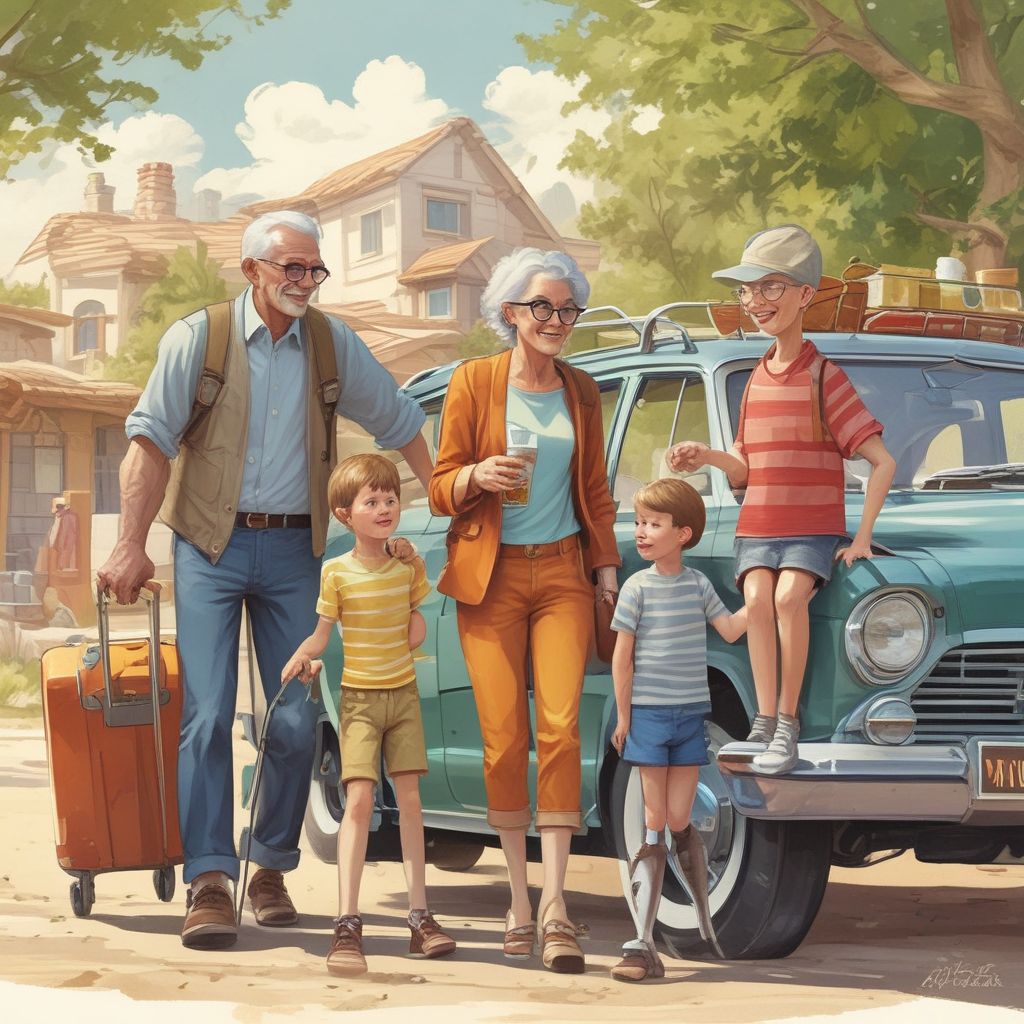
Planning a Multigenerational Getaway means crafting an experience that balances energy levels, interests, and needs so grandparents, teens and toddlers all leave with memories they’ll treasure—this guide lays out practical planning steps, activity swaps, and social rituals to make that happen.
Why a Multigenerational Getaway Is Worth the Effort
Travel that spans three or more generations strengthens family bonds, transfers stories and traditions, and creates shared experiences that photos alone can’t capture. But to get those emotional returns, a trip must account for mobility, attention spans, and varying definitions of “fun.” The payoff is worth the planning: deeper relationships, laughter across ages, and traditions that can be repeated for decades.
Planning Essentials: Before You Book
- Set shared goals. Agree on what everyone wants: relaxation, sightseeing, nature, or culture. A short family survey helps keep expectations realistic.
- Choose a pace-friendly destination. Pick locations with both low-key and high-energy options—beach towns, national park hubs, and small cities with family-friendly attractions are ideal.
- Prioritize accessibility and healthcare. Check elevator access, distance between lodging and activities, local medical services, and pharmacy availability for medications and supplies.
- Budget and divide costs transparently. Establish who covers lodging, fuel, groceries, and excursions; use apps or a shared spreadsheet to avoid tension.
- Travel insurance and documentation. Verify policies cover preexisting conditions, trip interruption, and emergency transport for older family members.
Designing a Flexible Itinerary with Activity Swaps
Flexibility is the secret sauce. Build a core plan (1–2 big activities per day) and leave room for spontaneous swaps so everyone can do what they enjoy without derailing the group.
Activity Swap Strategies
- Parallel options: Schedule a gentle option (museum, scenic drive) and an active option (bike tour, guided hike) for the same time slot; families split into small groups and reconvene for shared meals.
- Rotating responsibilities: Rotate who leads morning plans, dinner prep, or toddler entertainment—this keeps energy levels balanced and gives each person agency.
- Mini “timeout” hubs: Book a short babysitting slot or a quiet room with puzzles for grandparents to rest while teens take toddlers to a playground or splash pad.
- Swap tokens: Give each family member a token they can trade in for a solo activity (e.g., “Teen Token = 2 hours to explore the town with friends”).
Activity Ideas by Age — and How to Make Them Shared
- Grandparents: Scenic drives, gentle nature walks, local history tours, cooking classes. Make them inclusive by offering bench stops, shaded routes, or audio descriptions.
- Teens: Local food crawls, photography challenges, short adventure sports, volunteer opportunities. Tie them to the family by creating a social-media-free evening slideshow of teen photos.
- Toddlers: Splash zones, story hours, farm visits, short nature trails. Pack a portable kit of favorite toys and comfort items to keep transitions smooth.
Shared activities that span ages include family cooking nights, easy boat rides, animal encounters, and intergenerational scavenger hunts—each can be scaled in intensity so everyone participates.
Rituals and Small Traditions That Anchor the Trip
Simple rituals give structure and become the stuff of family lore. Consider adopting a few of these:
- Daily check-in circle: 10 minutes each evening for highlights, lowlights, and one thing each person is grateful for.
- Shared playlist: Ask everyone to contribute three tunes before departure; play it during drives and meals.
- Photo prompt of the day: A rotating family member chooses a theme—“hands,” “funny faces,” “local food”—to capture moments across ages.
- Grandparent story time: Short, cozy story sessions where grandparents share a memory or a favorite childhood tale with kids and teens.
- Recipe swap: Collect one local recipe that the whole family cooks together on the trip or at home afterward to keep the tradition alive.
Accommodation and Logistics: Comfort for Everyone
- Choose multi-room lodging: Vacation rentals or adjoining hotel rooms give privacy and quiet spaces for naps or late-night teen chats.
- Check for step-free entries and bathrooms: Prioritize ground-floor rooms or elevators for anyone with limited mobility.
- Meals: Balance restaurant reservations with at-home dinners—grocery runs and one-pot family meals reduce stress and foster bonding.
- Transportation: Rent a comfortable vehicle with booster seats and room for strollers, luggage, and mobility aids; if public transport is preferred, confirm schedules and accessibility in advance.
Packing, Health, and Safety Tips
- Shared medical kit: Pain relievers, bandages, prescriptions in original bottles, motion-sickness remedies, thermometer, and favorite toddler medications.
- Comfort items: Supportive shoes, layered clothing for temperature shifts, favorite blankets or stuffed animals for toddlers, and a small pillow for older travelers who nap in cars.
- Document copies and contact list: Keep both paper and digital copies of insurance cards, emergency contacts, and a clear plan for medical emergencies.
- Screen-time agreements: Set expectations for when screens are okay (long transfers) and when they’re not (meals, rituals) to encourage engagement.
Sample One-Day Template for a Balanced Family Day
- Morning: Gentle family breakfast, short shared activity (boardwalk or garden), grandparents choose a calm outing while teens take toddlers to a playground.
- Afternoon: Lunch together, optional naptime/quiet hour, parallel activities (museum vs. bike ride) with a meet-up for coffee.
- Evening: Family cooking or a casual dinner, daily check-in circle, and slideshow of favorite photos from the day.
Budgeting and Shared Responsibilities
Break costs into categories (lodging, food, transport, activities) and decide whether to split evenly, rotate payers for large items, or let each family unit pay their own way for independent choices. Assign simple roles—meal plans, navigation, first aid kit keeper—to spread responsibility and keep everyone invested.
Keeping the Tradition Alive After You Return
Turn the trip into an ongoing tradition by making a small album, cook a trip-inspired meal quarterly, or schedule an annual “family planning night” to dream about the next Multigenerational Getaway. Maintaining rituals keeps the momentum and gives everyone something to look forward to.
Conclusion: A successful Multigenerational Getaway is less about perfect scheduling and more about thoughtful structure, shared rituals, flexible activity swaps, and respect for each person’s needs—when planned well, these trips become treasured family rituals that span generations.
Ready to start planning your family’s next tradition? Gather your family, pick three non-negotiables, and build your first Multigenerational Getaway around them.