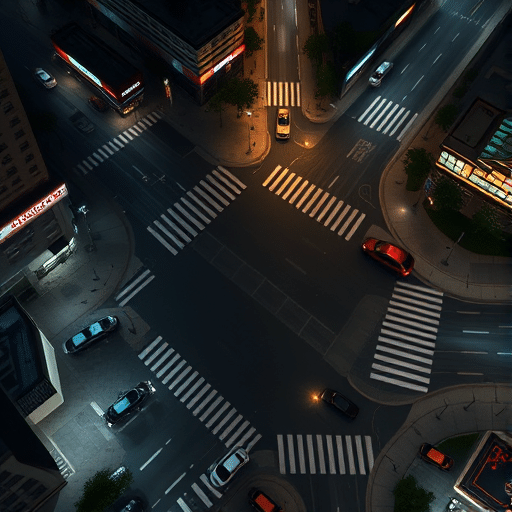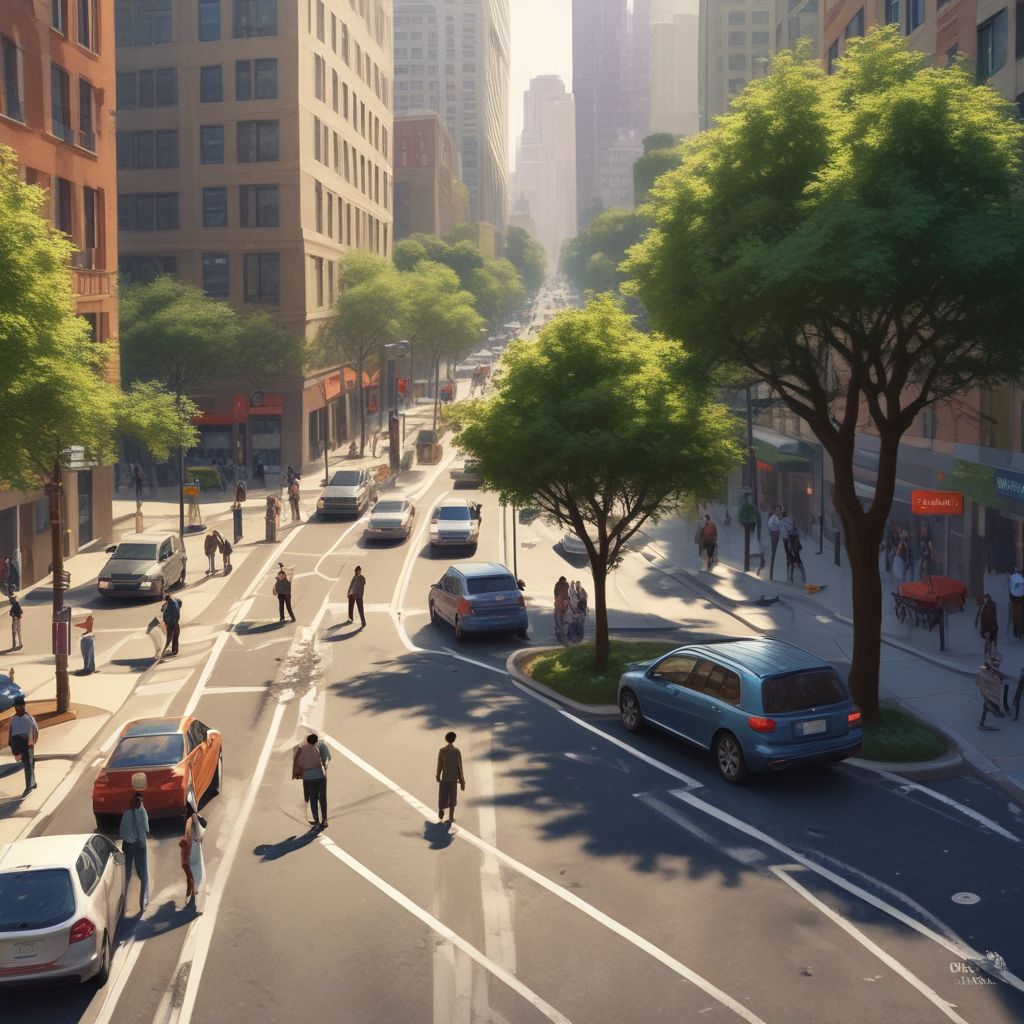
Main keyword: swarm digital twins predict urban heat islands. Cities are discovering that swarm digital twins predict urban heat islands with street‑level precision, using hundreds of lightweight micro‑twins to model microclimates and recommend real‑time actions like targeted tree planting, reflective pavements, and traffic timing adjustments to cool neighborhoods faster and more equitably.
What are swarm digital twins and micro‑twins?
Swarm digital twins are ensembles of thousands of small, specialized digital replicas—micro‑twins—each representing a narrow slice of the urban environment: a road segment, a sidewalk canyon, a park bench area, or a bus stop. Unlike monolithic city models, micro‑twins are lightweight, fast, and designed to run in parallel as a coordinated swarm. Together they create a rich, high‑resolution picture of how heat moves and accumulates at street level.
Why this approach matters for urban heat islands
Traditional urban climate models often work at block or neighborhood scales and run offline. Swarm digital twins operate in near real time and at granular spatial scales, so they can predict hot spots caused by pavement materials, building geometry, lack of shade, and traffic flows—then recommend immediate interventions to reduce thermal stress.
How the system works — data, models, and orchestration
- Data sources: IoT sensors (air and surface temperature, humidity), satellite and drone thermal imagery, weather forecasts, traffic flows, green canopy maps, and material inventories.
- Micro‑twin models: Each micro‑twin simulates heat exchange for a small domain using simplified physics plus data‑driven corrections, enabling millisecond updates across hundreds of models.
- Swarm orchestration: A coordination layer aggregates micro‑twin outputs, identifies systemic hot spots, and runs optimization routines to prioritize interventions based on impact, cost, and equity goals.
- Feedback loop: After actions (e.g., deploying a temporary reflective mat or adjusting traffic signals), sensors feed results back into the swarm for recalibration and continuous learning.
Practical interventions the swarm optimizes
Swarm digital twins predict urban heat islands and then rank and simulate specific interventions so city operators can choose the best combination for local conditions. Key levers include:
- Tree planting and canopy expansion: Micro‑twins estimate shading benefits by time of day, species evapotranspiration rates, and canopy growth trajectories to prioritize planting locations for maximal cooling and social benefit.
- Reflective and permeable pavements: The models calculate surface temperature reductions from high‑albedo materials and evaluate tradeoffs like glare, runoff, and maintenance.
- Traffic timing and routing: By simulating vehicular heat, idling patterns, and stop‑start emissions, the swarm can suggest adjusted signal timings or reroutes to reduce heat accumulation on critical corridors.
- Temporary tactical shading: For urgent heat events, the swarm can identify where temporary canopies or misting stations will protect the most vulnerable pedestrians.
Benefits: faster, fairer, and evidence‑based cooling
- Real‑time responsiveness: Rapid simulation lets planners test scenarios during heat waves instead of waiting for seasonal studies.
- Street‑level equity: High spatial resolution reveals micro‑hotspots often concentrated in low‑income or underserved neighborhoods, enabling targeted investments.
- Cost efficiency: Running many micro‑twins is cheaper than building a single hyper‑detailed model and yields clearer cost‑benefit insights for interventions.
- Public health impact: Reducing peak surface and air temperatures lowers heat‑related illness and improves outdoor comfort for pedestrians and transit users.
Implementation roadmap for cities
Deploying a swarm of micro‑twins is achievable with staged effort:
- Audit existing data: Inventory sensors, canopy maps, pavement types, and traffic feeds.
- Pilot a high‑risk corridor: Start with one arterial and adjacent residential streets to validate models and interventions.
- Scale the swarm: Add micro‑twins iteratively for adjacent grid cells, prioritizing equity and hotspot density.
- Integrate decision tools: Build dashboards that convert swarm outputs into ranked actions for operations teams.
- Institutionalize feedback: Use post‑action sensor data to retrain micro‑twins and refine policies like planting standards or pavement specs.
Challenges and best practices
Successful deployments must address several practical constraints:
- Sensor coverage vs. model generalization: Use hybrid strategies—dense sensing where possible and physics‑informed ML to interpolate elsewhere.
- Privacy and governance: Ensure mobility and asset data are anonymized; create clear ownership for model outputs and interventions.
- Community engagement: Co‑design intervention priorities with residents, especially where tree planting or traffic changes affect daily life.
- Maintenance planning: Include budgets for irrigation, pavement upkeep, and sensor replacement to preserve long‑term benefits.
Metrics to measure success
- Reduction in daytime surface and air temperature peaks (°C)
- Increase in canopy cover and shaded hours per street
- Changes in pedestrian thermal comfort indices (e.g., UTCI)
- Equity metrics: temperature reduction vs. socio‑economic vulnerability
- Operational KPIs: time from detection to intervention, cost per °C reduction
Hypothetical example: cooling an inner‑city corridor
Imagine a busy urban corridor with 30% tree canopy and midday surface temperatures 8°C above a nearby park. A swarm of 400 micro‑twins simulates interventions and finds that adding 50 trees along shaded sidewalks plus replacing 12% of asphalt with reflective tiles and shifting signal cycles to reduce idling during peak heat could drop pedestrian‑level temperatures by 2–3°C within two years and deliver immediate reductions in surface temperature on hot days. The city stages a pilot, instruments the corridor, and watches sensor data confirm predicted cooling—then teams scale the approach across the city with priority given to neighborhoods with higher heat vulnerability.
Final considerations
Swarm digital twins predict urban heat islands not as a futuristic novelty but as a practical, deployable strategy for 21st‑century urban resilience. By combining many small models, real‑time data, and clear decision workflows, cities can make smarter investments in trees, pavements, and traffic systems that cool streets faster, cheaper, and more fairly.
Conclusion: Embracing swarm digital twins delivers measurable cooling, operational agility, and better health outcomes for residents—especially those most affected by urban heat. Ready to pilot a swarm for your city? Contact local smart‑city teams or climate adaptive planning groups to get started.
Call to action: Download the pilot checklist and sample dashboard (link) or schedule a demo with a digital‑twin provider today.