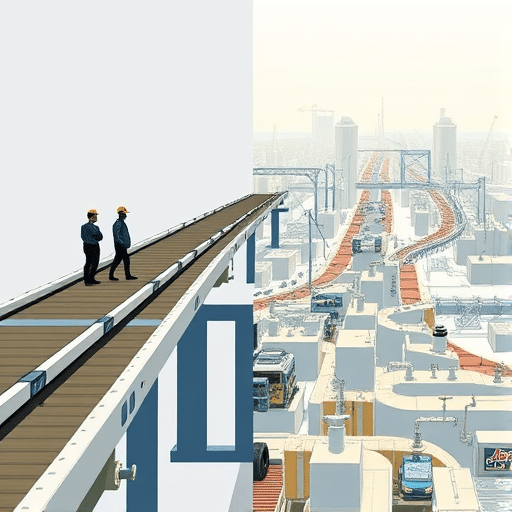
In Loot Wars: Designing Player-Driven Economies for Live-Service FPS-MMOs, the reward loop extends beyond kills and objectives to include trade, speculation, and social coordination—and getting that economy right is as important as gun balance. This article explores how studios experiment with PvP markets, real-time trade hubs, and inflation management to create persistent shooter worlds that feel meaningful, fair, and fun.
Why a Player-Driven Economy Matters in Persistent Shooters
Traditional loot and progression systems are game-controlled and predictable; player-driven economies add emergent behavior, social status, and long-term goals. In live-service FPS-MMOs, when players can craft, buy, sell, and trade rare attachments, cosmetics, or modular weapon parts, the game world gains depth—but also the risk of runaway inflation, griefing markets, and fragmented player experiences.
Core Design Foundations: Supply, Demand, and Liquidity
Every economy boils down to three fundamentals:
- Supply: How loot enters the system—drops, mission rewards, crafting, and NPC vendors.
- Demand: Why players want items—performance, prestige, convenience, or cosmetic identity.
- Liquidity: How easily items convert to value—currency, barter, or services.
Designers must intentionally tune each axis. For example, increasing drop rarity can create demand spikes that fuel secondary markets; without sinks, those spikes become inflationary pressure.
Design patterns for supply
- Tiered loot tables with temporal rotation (seasonal drops).
- Player-crafted items that require rare components tied to high-risk activities.
- NPC vendors offering controlled amounts of utility items to stabilize markets.
Design patterns for demand
- Meta-changing attachments or mods that affect playstyles.
- Cosmetics tied to community milestones or lore events.
- Prestige systems (titles, badges) that require high-value trades.
Balancing PvP Markets
PvP-driven markets are unique because the game’s combat loop both generates and consumes value. A few principles help keep PvP economies healthy:
- Risk-reward alignment: High-value items should be earned through high-risk activities so that loss feels meaningful.
- Preventing power-accumulation: Use diminishing returns and soft caps (e.g., item decay, maintenance costs) so rich players can’t permanently dominate.
- Trade friction: Introduce transport or escrow mechanics (real-time caravans, secure trade windows) to create emerging gameplay around trading.
Example: Bounty-driven trade
When high-tier components are extractable from flagged PvP zones, players form convoys, hire escorts, or stage ambushes—creating emergent group content that stabilizes supply by making extraction costly and social.
Real-Time Trade Hubs: UX and Technical Considerations
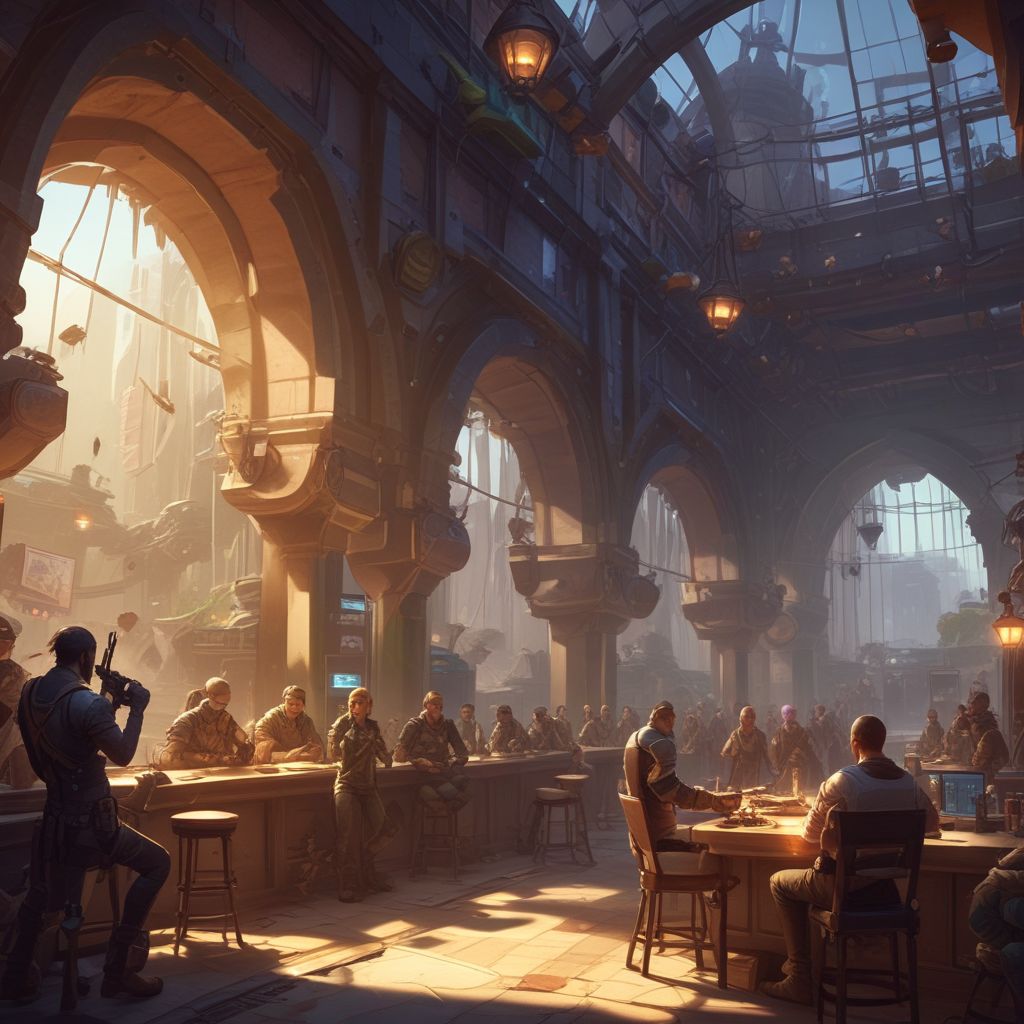
Real-time trade hubs—physical or UI-based marketplaces—are crucial for liquidity. Good hubs combine performant networking, clear UI, and social features.
- Low-latency listings: Make sure search and update operations are nearly instant to avoid price mismatches during PvP surges.
- Reputation systems: Seller ratings, escrow, and dispute resolution reduce scam risk and encourage legitimate trade.
- Clustering and instancing: Use sharding to maintain server performance while letting localized economies develop.
Hub types
- Centralized marketplace: Server-wide exchange with automated matching and price history.
- Local bazaars: Player-run stalls in safe zones encouraging barter and community events.
- Black markets: Risky, unregulated trading accessible via PvP extraction or clandestine NPCs.
Controlling Inflation: Sinks, Faucets, and Dynamic Pricing
Inflation is the silent killer of long-lived economies. Effective tools include:
- Sinks: Repair costs, crafting taxes, vanity purchases, and recurring fees for guild perks that remove currency/images from circulation.
- Faucets: Predictable sources of new currency—daily missions, event payouts—to control money supply growth.
- Dynamic pricing: Algorithmic NPC vendors or taxes that react to real-time market signals.
Combining predictable faucets with engaging sinks avoids making the economy feel punitive while maintaining value stability.
Governance, Anti-Abuse, and Player Trust
Player-driven economies are vulnerable to RMT, duping exploits, and bot markets. Governance strategies include:
- Proactive telemetry and anomaly detection for unusual trade volumes or pricing spikes.
- Clear terms and penalties for RMT and automated enforcement where feasible.
- Community governance tools—player councils, in-game dispute systems, and transparent patch notes explaining economic changes.
Metrics and Iteration: What to Monitor
Run experiments and measure impact using a small set of reliable KPIs:
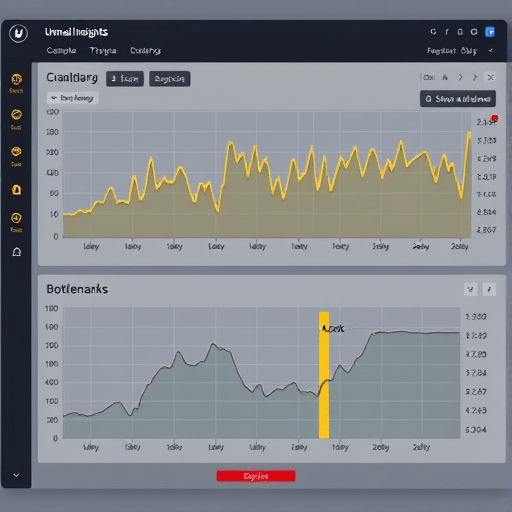
- Currency velocity and distribution percentiles (median vs top 1%).
- Item price time-series and volatility indices.
- Trade volume by hub, plus failed-trade and dispute rates.
- Player retention correlated with economic milestones (first big sale, first crafted legendary).
Design experiments as A/B tests where possible—e.g., different sink intensities or trade-fee schedules on parallel shards—and gather qualitative feedback via community channels.
Studio Experiment Spotlight: Aurora Labs’ “Convoy Tax”
Aurora Labs introduced a temporary convoy tax on high-value extractions to curb rapid hoarding after a season launch. Results: reduced top-tier price spikes by 23% and increased convoy formation behavior; secondary effects required a follow-up tweak to lower craft component sinks. The lesson: small, targeted economic instruments can nudge player behavior without heavy-handed nerfs.
Checklist for Launching a Player-Driven Economy
- Map supply sources and estimate initial injection rates.
- Define core sinks tied to meaningful gameplay.
- Instrument markets with robust telemetry and dashboards.
- Design trade UX with anti-fraud and reputation layers.
- Plan phased experiments and rollback strategies.
- Communicate changes proactively to players with rationale and timelines.
Designing player-driven economies for live-service FPS-MMOs is part science, part psychology, and part community management. When done well, economies amplify player stories—convoys ambushed at dawn, the rise of a legendary trader, or a guild-funded war—giving persistent shooter worlds the rich social fabric that keeps players coming back.
Conclusion: A successful Loot Wars economy balances supply, demand, and trust through deliberate sinks, responsive hubs, and continuous measurement—creating emergent PvP content without sacrificing fairness.
Ready to prototype an economy for your shooter? Start by sketching your supply and sink map, instrument three core metrics, and test with a small shard.