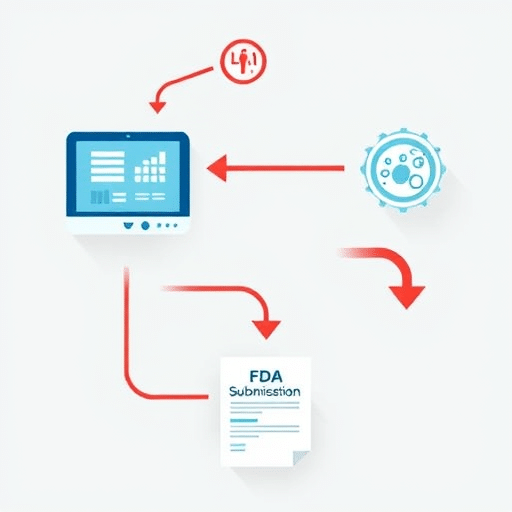
Wearable-triggered micro-interventions are redefining chronic pain management by using real-time sensor data to deliver brief, targeted digital therapeutics (DTx) at the moment patients need them most. This article explains how sensor-driven, real-time therapeutic delivery works, reviews early clinical signals, and explores equity and privacy implications that must be addressed for scaling personalized digital therapeutics.
What are wearable-triggered micro-interventions?
At their core, wearable-triggered micro-interventions are short, focused therapeutic actions—such as a guided breathing exercise, a haptic cue, or a 60-second cognitive reframing prompt—delivered automatically when a wearable detects a physiologic or behavioral marker associated with pain flare, stress, or maladaptive movement patterns. These micro-interventions contrast with traditional scheduled therapy by being on-demand, context-aware, and often adaptive to an individual’s response.
How sensor-driven, real-time therapeutic delivery works
Sensors and signals
Modern wearables collect multiple streams: heart rate variability (HRV), accelerometer-derived movement/tremor patterns, skin conductance, and even muscle EMG in some devices. Algorithms synthesize these signals to detect signatures of pain flares, anxiety-related sympathetic activation, or risky biomechanics.
Triggers and decision logic
- Threshold triggers — a single metric crosses a predefined value (e.g., HRV drop).
- Pattern triggers — combinations of signals over short windows indicate a flare (e.g., limp + increased heart rate).
- Context-aware triggers — time of day, recent activity, and calendar events modify the decision logic to reduce false positives.
Delivery mechanisms
Once a trigger fires, the wearable or paired smartphone delivers a micro-intervention: vibration prompting a posture correction, a brief guided micro-session displayed on the phone, or a neurostimulation pulse where devices support it. The intervention is logged and subsequent sensor responses are used to refine personalization.
Early clinical signals: what the data show
Early pilot studies and feasibility trials report promising trends rather than definitive cures. Several small randomized and single-arm studies have shown:
- Reduced pain intensity and shorter flare durations when micro-interventions are delivered within the first minutes of physiological unrest.
- Improved self-efficacy and reduced catastrophic thinking after weeks of on-demand cognitive-behavioral prompts paired with sensor feedback.
- Greater adherence compared with scheduled app-based interventions, attributed to lower friction and higher contextual relevance.
However, effect sizes vary and many studies are limited by small samples, short follow-up, and heterogeneous outcome measures. Larger pragmatic trials with objective sensor-derived endpoints are emerging and will be critical for robust validation.
Design considerations: timing, intensity, and personalization
To be effective, micro-intervention systems must balance sensitivity and specificity—catching real needs without creating alert fatigue. Key design levers include:
- Adaptive thresholds that update as a user’s baseline changes.
- Escalation strategies: start with a low-intensity nudge and increase if the signal persists.
- User-controlled preferences to allow patients to tailor timing, modality, and privacy settings.
Equity implications: who benefits and who is left behind?
Scaling wearable-triggered DTx risks widening disparities if not intentionally designed for equity. Barriers include device cost, smartphone access, digital literacy, and cultural relevance of intervention content. Points to consider:
- Affordability: subsidized devices or integration with low-cost wearables can broaden access.
- Language and cultural tuning: interventions should be localized and co-designed with diverse communities.
- Connectivity constraints: offline or low-bandwidth modes ensure functionality where internet access is limited.
Without these considerations, the people most burdened by chronic pain—older adults, low-income groups, and marginalized communities—may be least likely to benefit.
Privacy and ethics: data stewardship for intimate signals
Sensors capture intimate physiologic and behavioral information. Protecting that data is paramount to maintain trust and avoid harms such as discrimination, intrusive surveillance, or unintended data sharing with insurers or employers. Recommended practices include:
- Minimizing data collection to only what’s necessary for the intervention logic.
- On-device processing and differential privacy techniques to reduce raw-data transmission.
- Transparent consent flows that explain triggers, data uses, retention, and sharing in plain language.
Regulatory and scalability considerations
As these products move from pilots to clinics, regulatory clarity around software-as-a-medical-device (SaMD), interoperability with electronic health records, and reimbursement models will shape adoption. Scalable systems need:
- Robust validation pipelines (clinical endpoints + sensor-based surrogates).
- Interoperability standards so clinicians can incorporate event logs into care plans.
- Reimbursement frameworks that value on-demand, preventive care rather than only episodic procedures.
Practical steps for clinicians and developers
Clinicians and product teams can accelerate responsible adoption by:
- Running co-design workshops with patients to identify meaningful triggers and acceptable intervention forms.
- Adopting transparent evaluation metrics: flare frequency, duration, patient-reported outcomes, and functional measures.
- Implementing privacy-by-design principles and publishing data governance practices.
Looking ahead: integration, learning systems, and human-centered care
Future systems will increasingly combine multimodal sensors, continual learning models, and clinician-in-the-loop workflows to optimize timing and content. When paired with person-centered care, wearable-triggered micro-interventions have the potential to transform chronic pain from episodic crisis management to continuous, gentle support that preserves function and dignity.
Conclusion: Wearable-triggered micro-interventions represent a promising evolution in chronic pain care—blending sensor-driven, real-time therapeutic delivery with personalized behavior change—but success will hinge on rigorous clinical validation, equitable design, and strong privacy safeguards.
Ready to explore how on-demand DTx can fit into your practice or product roadmap? Contact a digital therapeutics specialist to start a pilot today.