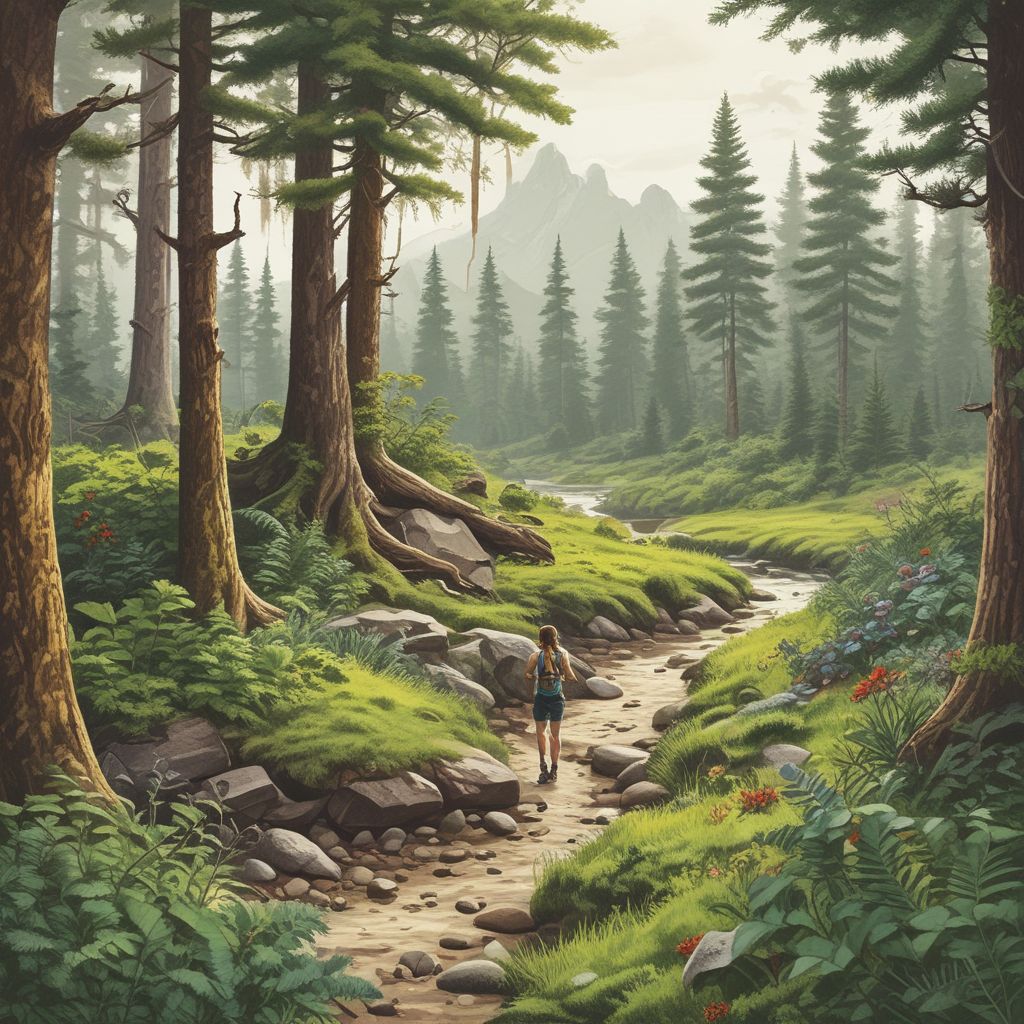
Forage & Forge is a movement marrying interval trail runs with seasonal foraging, and it’s changing how runners approach navigation, trail nutrition, and presence on the path. By folding short, intense intervals into purposeful searching for wild edibles, runners sharpen map skills, pick up fresh calories on the go, and slow down just enough to appreciate the ecosystem beneath their shoes.
What is Forage & Forge?
At its core, Forage & Forge is a hybrid practice: structured running workouts (think intervals, hill repeats, or tempo segments) interspersed with intentional stops to identify, harvest, and, when safe, taste wild edibles. It’s not about replacing packed fuel with an all-foraged diet, but about adding seasonal micro-nutrition, building observation skills, and turning training into a multi-sensory outdoor education.
Why combine intervals with wild-edible treasure hunts?
Physical benefits
- Interval training preserves speed and aerobic fitness while foraging introduces short recovery windows that make high-quality workouts sustainable on technical terrain.
- Fresh wild foods—berries, greens, or a few nuts—provide quick sugars, antioxidants, and variety that can complement gels and bars.
Mental and navigational gains
- Foraging forces you to scan micro-habitat details: plant forms, soil, sun exposure—skills that translate into improved route-finding and hazard recognition on trails.
- The alternating intensity of intervals and calm foraging increases mindfulness and reduces monotony, helping runners stay engaged and less likely to overpush into injury.
Environmental and cultural connection
Learning seasonal cycles and local plants fosters stewardship. Foragers pay closer attention to soil, water, and wildlife—turning the trail into a classroom and encouraging leave-no-trace ethics.
Safety, ethics, and legal considerations
- Never eat a wild plant unless you are 100% confident in its identification. Bring a reputable field guide or plant-ID app and practice with an experienced forager first.
- Know local regulations; some parks prohibit collecting plants, fungi, or berries. Respect private property and protected habitats.
- Harvest sustainably: take only a small portion from a population, avoid sensitive species, and never uproot plants unless appropriate permits are held.
- Be aware of allergies and cross-reactivity—taste-test tiny amounts in a safe setting, and never teach a group to eat wild foods without medical preparedness.
How to structure a Forage & Forge session
Plan runs that balance energetic intervals with time for observation and safe collection.
Sample session framework (60–90 minutes)
- Warm-up: 10–15 minutes easy on the trail, eyeing micro-habitats.
- Interval block A: 5 x 2-minute uphill or technical intervals with 2-minute easy recoveries.
- Forage stop: 8–12 minutes of slow walking and searching in a promising micro-habitat—look for berries, young greens, or nuts depending on season.
- Interval block B: 6 x 1-minute pickups on rolling terrain with 90-second recoveries.
- Final forage/skills stop: practice plant ID, take photos, securely pack samples, then cool down 10–15 minutes.
Seasonal cheat sheet for common temperate edibles
Note: regional variation is significant—treat this as inspiration, not a definitive guide.
- Spring: ramps/wild garlic (Allium spp.), chickweed, dandelion greens, young nettles (cook before eating).
- Summer: wild strawberries, blackberries, raspberries, rose hips, miner’s lettuce.
- Fall: chestnuts, acorns (leached properly), late berries, some edible mushrooms (only with an expert!).
- Winter: evergreen needles for tea (pine), willow bark (medicinal uses), and preserved roots—often a time for study more than harvest.
Essential gear for Forage & Forge
- Lightweight pack with bungee or pocket for collected samples (paper bags for mushrooms are preferable to plastic).
- Small folding knife or snips, and sterilizing wipes.
- Compact field guide, smartphone with offline plant-ID app, and GPS/physical map for navigation.
- Basic first-aid kit and blister prevention; allergy antihistamine or EpiPen if needed.
4-week beginner plan to blend intervals and foraging
Start twice a week: one focused interval + short forage, one longer recovery run with extended exploration.
- Week 1: Short intervals (3 x 2-min) + 10-min forage; long run 60 min with 20-min exploration.
- Week 2: Increase intervals (5 x 1.5-min) and make one forage stop longer to practice ID.
- Week 3: Add technical terrain intervals (hill repeats) and try a new edible under supervision.
- Week 4: Combine tempo miles with two shorter forage breaks; review what you learned and plan for the next season.
Practical tips to get started
- Join a local foraging group or take a guided workshop before experimenting solo.
- Practice plant ID at home—use pressed samples, photos, and notes to build confidence.
- Use the foraging stops as deliberate recovery: lower your heart rate, breathe, study, and only then harvest if safe.
- Keep a trail journal: note locations, conditions, and phenology (blooming/fruiting times) to become a better seasonal tracker.
Mindful running meets practical movement
Forage & Forge reframes the run from a purely performance metric to an exploratory practice. Intervals keep the body challenged while foraging trains attention and patience—qualities that improve pacing, reduce injury risk, and deepen enjoyment of the outdoors.
When done responsibly, this hybrid sport encourages curiosity, builds resilience, and reconnects athletes to the seasonal rhythms that sustain wild foods and healthy trails.
Conclusion: Forage & Forge offers a fresh way to train—one that sharpens physical speed and navigational skill while adding seasonal, mindful nourishment to every run. Try a single Forage & Forge session this season and notice how your running, awareness, and taste for the wild change.
Ready to try it? Pack light, get a field guide, and turn your next interval session into a wild-edible treasure hunt.