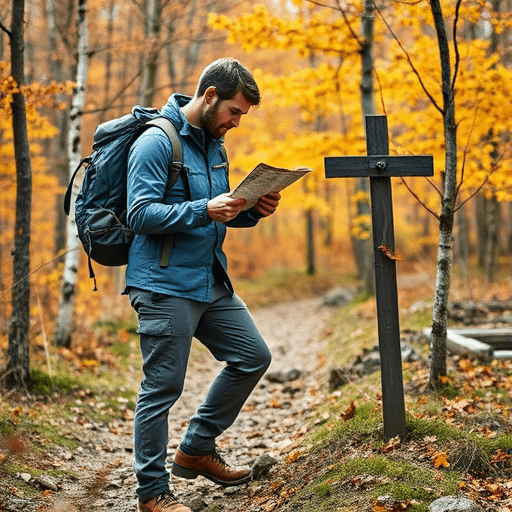
The rise of guided night-hiking is reshaping how people experience the outdoors—combining wildlife discovery with cooler routes and advanced safety tech to make moonlit treks both thrilling and accessible. Whether you’re drawn by the hush of a forest after dusk or the rare chance to spot nocturnal wildlife, guided night-hiking offers a structured, educational, and safer way to explore landscapes under the stars.
Why Guided Night-Hiking Is Growing in Popularity
Interest in night hikes has expanded beyond niche naturalist groups into mainstream outdoor recreation. Several factors are driving this trend:
- Climate comfort: In warm regions, night hiking offers respite from daytime heat and a longer comfortable season for exploration.
- Unique wildlife encounters: Many species are active only after sunset, making night hikes prime opportunities for observing bats, owls, amphibians, and nocturnal mammals.
- Community and storytelling: Guided groups create intimate experiences—sharing navigation skills, folklore, and ecological insights that enrich the trail.
- Advances in safety tech: Improved lighting, communication, and navigation tools have lowered barriers for beginners while increasing confidence for seasoned hikers.
Exploring Biodiversity After Dark
Night ecosystems are not merely daytime life pushed into dimmer light—they are dynamic communities with different food webs and behaviors. Guided night-hiking emphasizes respectful observation techniques that minimize disturbance while maximizing learning.
What you can expect to see
- Owls and other raptors hunting under moonlight
- Bats patrolling insect-rich corridors, often detectable by echolocation detectors used by guides
- Nocturnal insects and moths attracted to low-intensity lights or natural blossoms
- Amphibians and small mammals active on humid nights, particularly near water
Why a guide matters for biodiversity viewing
A trained guide knows the best times, microhabitats, and quiet approaches to observe wildlife without stressing animals. They can interpret calls, tracks, and behavior, turning a walk into a nocturnal field study that prioritizes conservation.
Cooler Routes and Seasonal Benefits
Guided night-hiking opens access to trails at times when daytime heat would make them unpleasant or unsafe. This shift can extend hiking seasons and distribute visitor pressure more evenly across times of day.
- Heat avoidance: Desert and tropical regions see far lower temperatures at night, decreasing risk of heatstroke and dehydration.
- Less crowding: Popular viewpoints and short trails are quieter after dark, giving hikers more solitude and better photo opportunities.
- New perspectives: Landforms and plant silhouettes look different under moonlight, offering fresh aesthetic and interpretive experiences.
Safety Tech Making Moonlit Treks Mainstream
Technology has been pivotal in shifting night-hiking from adventurous fringe activity to an approachable, mainstream option. Guides now deploy an ecosystem of tools that increase safety and enrich the experience.
Essential gear and innovations
- Advanced headlamps: Lightweight LEDs with adjustable beam focus and long battery life let groups move confidently without blinding wildlife or each other.
- Hands-free communication: Two-way radios and group comms allow guides to manage pace and respond quickly to changes in conditions.
- Accurate navigation: GPS units and offline mapping apps tailored for night visibility reduce route-finding errors, especially in low-contrast terrain.
- Personal locator beacons (PLBs) and satellite messengers: For remote treks, these devices provide immediate emergency contact even without cell coverage.
- Bioacoustic and thermal tools: Bat detectors, directional microphones, and handheld thermal imagers reveal species and behaviors otherwise invisible to the eye.
Training and protocols
Guides blend technology with training—night navigation skills, pace-setting, low-light first aid, and wildlife etiquette—to maintain safety without turning the hike into a tech demo. Most reputable operators limit group sizes, require basic gear, and brief participants on silent walking and light discipline.
The Role of Guides and Local Knowledge
Guides act as interpreters, safety officers, and stewards. Their local knowledge—knowing seasonal animal rhythms, moon-phase effects, and sensitive habitats—ensures that night hikes are both rewarding and low-impact.
- Interpretation: Explaining animal calls, plant adaptations, and nocturnal ecological interactions.
- Conservation: Steering groups away from fragile habitats and enforcing low-light protocols to protect wildlife.
- Accessibility: Adapting routes for diverse fitness levels so beginners and experienced hikers can both benefit.
Planning and Etiquette for a Guided Night-Hike
Preparation makes the difference between an unforgettable moonlit adventure and an uncomfortable outing. Guides typically provide a checklist, but here are common essentials and best practices:
Packing list
- Comfortable layered clothing and sturdy footwear
- Primary headlamp plus backup light and spare batteries
- Small first-aid kit, water, and high-energy snacks
- Personal ID and any necessary medications
Etiquette
- Keep voices low and follow guide instructions to reduce wildlife disturbance
- Avoid bright, constant lights—use dim red filters when necessary
- Leave no trace: pack out trash and avoid handling wildlife
Where to Go and When
Moon phase matters: full moons illuminate trails while darker moons favor star views and more active, light-sensitive wildlife. Regions known for guided night-hiking include temperate coastal forests, desert canyons, and protected reserves where nocturnal species can be observed responsibly.
Environmental Considerations
As night-hiking grows, operators must balance access with conservation. Light pollution can disorient insects and migratory birds; strict light discipline, noise control, and route rotation help minimize impacts. Choosing licensed guides who follow park regulations supports sustainable nighttime recreation.
Conclusion: Guided night-hiking brings a fresh dimension to outdoor exploration—offering cooler routes, rare wildlife encounters, and a safety framework powered by modern tech and expert guides. For curious hikers, moonlit trails reveal ecosystems and experiences unavailable by day, provided trips are planned responsibly and led by knowledgeable guides.
Ready to try a guided night-hike? Book a locally guided moonlit trek and discover the trail after dark.