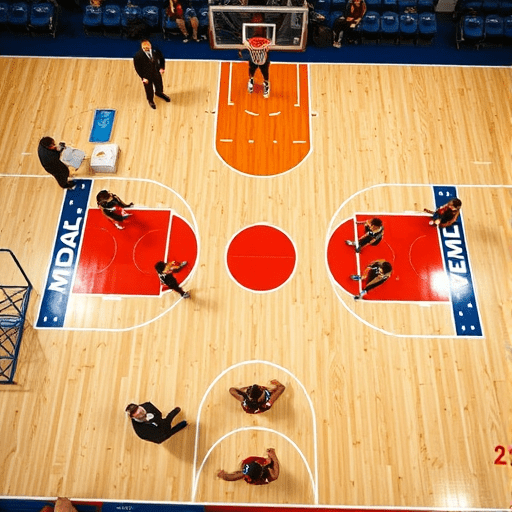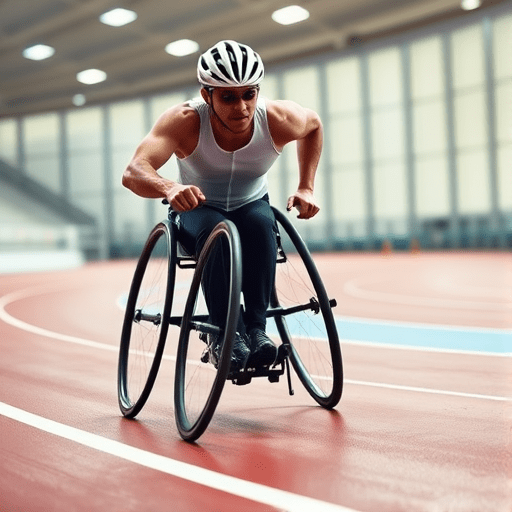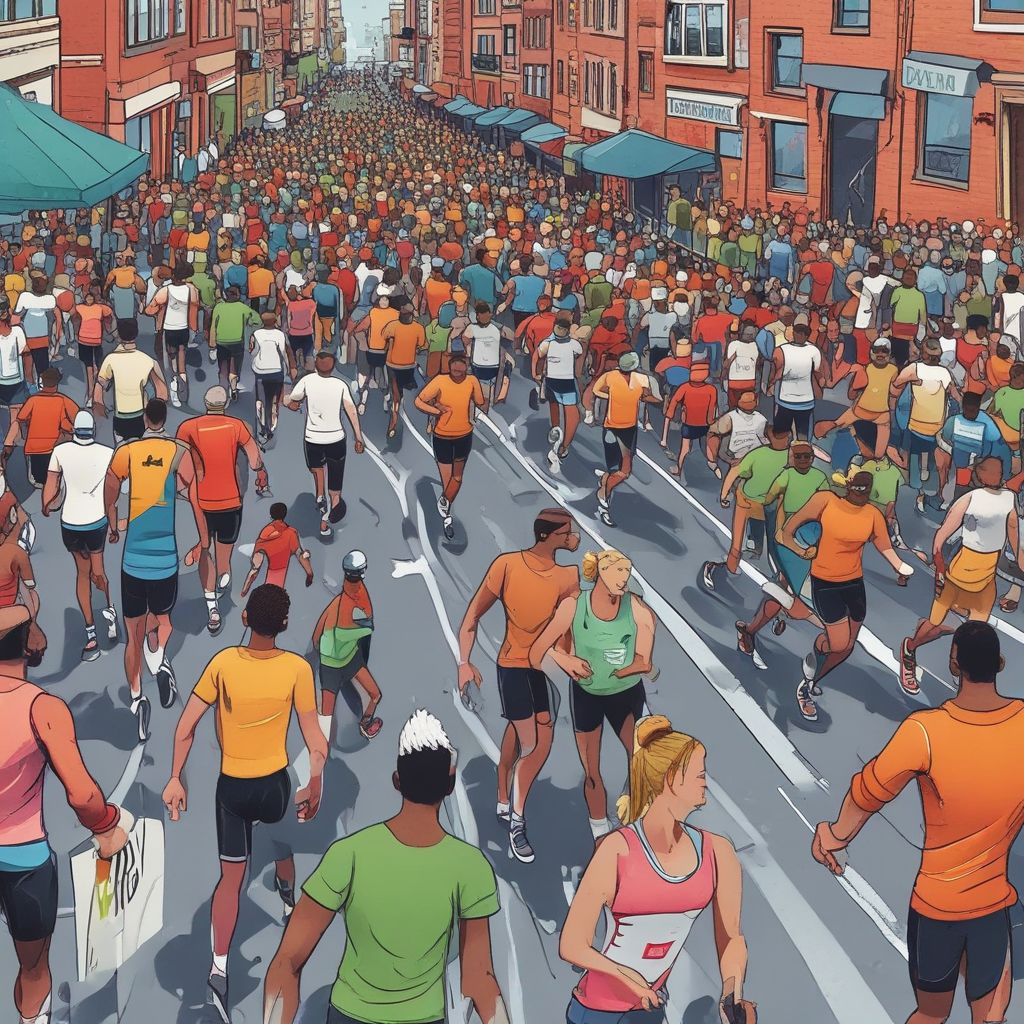
Across cities and coaching programs, 15-minute pop-up runs are emerging as a favorite training staple—these micro-races combine short, high-intensity competition with social connection, offering a fresh path to speed gains, motivation, and long-term community adherence. Coaches and municipal organizers are discovering that a small time commitment and a competitive spark can produce outsized benefits for runners of every level.
Why 15-minute pop-up runs work
At first glance, a 15-minute run sounds almost trivial compared to traditional long runs or hour-long track sessions. But the science and sociology behind these micro-races explain why they punch well above their weight.
Physiological benefits
- High-intensity stimulus: A focused 15-minute effort (with warm-up and cool-down) is ideal for tempo work, VO2 max intervals, and race-pace practice—key drivers of improved speed and running economy.
- Frequent adaptation: Short, repeated exposure to near-max efforts promotes quicker neuromuscular and metabolic adaptation without the chronic fatigue that long intervals can create.
- Reduced injury risk: Shorter, structured sessions are easier to recover from, allowing athletes to maintain consistent training volume while targeting intensity.
Psychological and social advantages
- Lower barrier to entry: Fifteen minutes fits into busy schedules—commuters, parents, and shift workers can participate without major disruption.
- Instant gratification: Finite, competitive efforts yield quick feedback (time, place, split), which boosts motivation and retention.
- Community momentum: Regular pop-ups become social rituals—people show up for the group as much as the run, strengthening adherence and the sense of belonging.
How coaches are leveraging micro-races
Coaches are integrating 15-minute pop-up runs into periodized plans as an efficient way to assess fitness, practice pacing, and sharpen competitive instincts.
Implementation strategies for coaches
- Use as assessment days: Schedule a monthly pop-up to check 5K-pace fitness or lactate-threshold proxies. A 15-minute all-out or controlled effort gives strong predictive data.
- Mix formats: Alternate pure time trials, ladder micro-races (e.g., 3-min, 5-min, 7-min segments), and handicap starts to simulate race tactics.
- Structured warm-up/cool-down: Ensure participants do a 15–20 minute warm-up and easy cool-down to maximize benefit and minimize injury risk.
- Feedback loop: Record times and provide short, actionable notes—this keeps athletes engaged and helps track progression.
How cities and urban planners are supporting pop-up races
Municipalities are recognizing the public-health and placemaking benefits of frequent short events and are adapting policy and infrastructure to support them.
City-level actions that help
- Permitting for micro-events: Streamlined permits for short-duration gatherings lower the bureaucratic cost for organizers.
- Flexible street use: Temporary curb-to-curb activations or protected bike-lane pop-ups create safe, visible spaces for short races.
- Lighting and signage: Investing in safe route markings and wayfinding improves accessibility for early-morning and evening pop-ups.
- Partnerships: Cities partnering with local running clubs and coaches amplify reach and ensure events are well-run and safe.
Logistics: organizing a successful 15-minute pop-up run
Good micro-races are simple to set up but require a few key elements to maximize participant experience and safety.
- Course design: Choose a loop or out-and-back of 1–2 km with clear start/finish so timing is straightforward.
- Timing and results: Use inexpensive chip systems or smartphone timing apps; publish results promptly to maintain the competitive vibe.
- Safety plan: Brief participants on road crossings, marshal key points, and have a basic first-aid kit on hand.
- Inclusivity options: Offer multiple starting waves: all-out, steady tempo, and a social jog wave to welcome newcomers.
- Communications: Use social channels and messaging apps to announce spontaneous pop-ups and create a consistent calendar for regulars.
Coaching sample micro-cycle using pop-up runs
Here is a sample 4-week block integrating weekly pop-up micro-races to improve race readiness and speed:
- Week 1: Easy base runs + Technique drills; Saturday pop-up: 15-minute time trial (steady hard pace).
- Week 2: Interval work (6×3 min at 5K pace); Thursday pop-up: ladder micro-race (2+4+6 minutes with 90s rest).
- Week 3: Threshold session (20 min at tempo); Weekend pop-up: handicap race to practice surging and tactics.
- Week 4: Recovery week with short taper; Final pop-up: 15-minute hard effort to measure improvement.
Case studies: early wins from cities and clubs
Across several mid-sized cities, community running initiatives that introduced weekly 15-minute pop-ups saw participation growth, improved race times, and stronger volunteer retention.
- City A: A municipal parks department launched “Quarter-Hour Quicks” and reported a 25% rise in new runners joining local clubs within six months.
- Club B: A coaching group used pop-ups as litmus tests and cut their average 5K times by 4–6% over three months thanks to consistent high-intensity exposure.
Common pitfalls and how to avoid them
While accessible, micro-races can falter without thoughtful design.
- Pitfall: Overemphasis on all-out efforts leading to burnout. Fix: Alternate harder pop-ups with tactical or tempo formats.
- Pitfall: Poor route safety. Fix: Scout courses, use marshals, and coordinate briefly with city agencies when needed.
- Pitfall: Exclusionary vibe. Fix: Offer beginner waves and post-run social time to welcome newcomers.
The future of urban training: scaling micro-races
Technology and policy will continue to expand the potential of 15-minute pop-up runs. Geofenced event apps, sponsor-supported neighborhood series, and integrated public-health grants can transform small gatherings into a citywide culture of play and fitness. For coaches, the model is a low-friction tool to build competitive skills; for cities, it’s a low-cost strategy to activate streets and improve public health.
Ultimately, these micro-races reclaim a simple truth: frequent, social, goal-driven movement is one of the most effective ways to change behavior—and 15 minutes is all many people need to start.
Conclusion: 15-minute pop-up runs are a practical, evidence-backed way to boost speed, sustain motivation, and build community adherence to running; coaches and cities that embrace this micro-race model can create lasting benefits with minimal overhead. Ready to try a pop-up in your neighborhood?
Join a local 15-minute pop-up run this week and feel the difference—bring a friend.