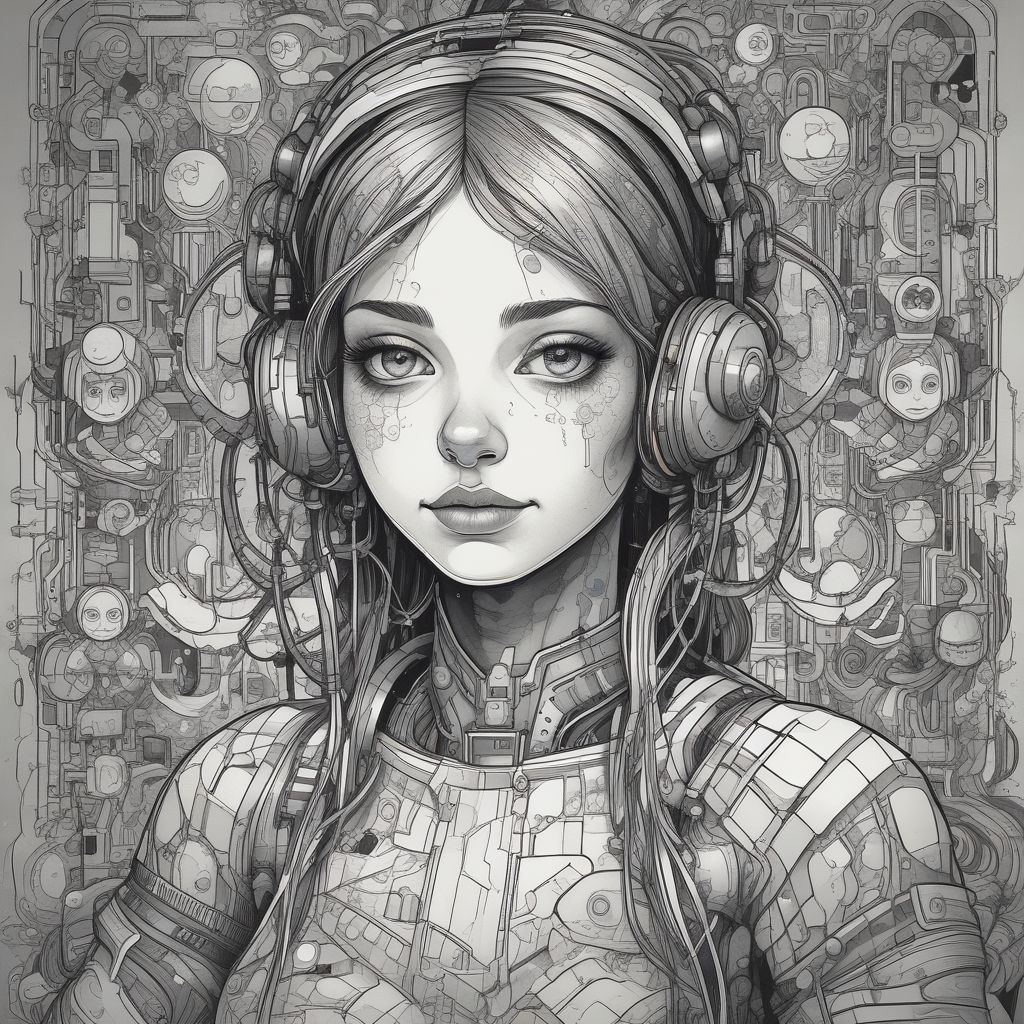
Designing for Imperfection asks an essential question for modern game creators: when can deliberate faults—intentional glitches, generative AI artifacts, and procedural “flaws”—be harnessed to craft emotional, memorable gameplay moments? The main keyword, Designing for Imperfection, points to a mindset where imperfection is not a bug but a design tool that, when used thoughtfully, can increase immersion, provoke curiosity, and create emergent storytelling opportunities.
Why Embrace Imperfection?
Players expect polish, but they also crave surprise. Perfect systems are predictable; imperfect systems are alive. Intentional glitches and AI artifacts tap into cognitive and emotional responses by:
- Triggering curiosity: Unexpected visual or audio behavior prompts players to explore and ask questions.
- Suggesting agency: Flaws can imply a larger system with history and fragility, making worlds feel lived-in.
- Creating narrative hooks: A strange artifact or broken UI can become a narrative device that leads players into deeper gameplay layers.
- Humanizing generated content: Imperfect textures, misaligned animations, or AI hallucinations remind players of human authorship and the limits of systems, which can be emotionally resonant.
Types of Intentional Imperfection and When to Use Them
Visual Glitches
Examples: chromatic aberration spikes, pixel-level corruption, layered misalignment, and generator hallucinations (odd shapes or faces in textures). Use these when you want to suggest decay, supernatural interference, or unreliable perception.
Audio Artifacts
Examples: subtle bitcrushing during an emotional beat, stuttering voice lines, or reverb tails that don’t match the room. Audio glitches are powerful because sound directly influences mood—use them to unsettle or to highlight memory and fragmentation in narrative games.
Procedural “Flaws”
Examples: procedural terrain with odd seams, NPC behaviors that occasionally loop or hesitate, or AI-generated dialogue that produces unexpected metaphors. Introduce procedural flaws sparingly to make emergent moments feel special rather than frustrating.
Generative AI Hallucinations
Examples: odd portraits, misplaced objects, or nonsensical signs generated by image or language models. They can be used as lore artifacts—evidence of a corrupted archive, unreliable narrator, or alien aesthetics.
Design Guidelines: How to Make “Flaws” Feel Intentional
- Set clear affordances: Make sure players can tell when a glitch is meaningful versus when it’s harmful to gameplay. If a visual distortion affects aiming, communicate its presence and recovery window.
- Control frequency and intensity: Use imperfection as punctuation, not constant noise. Rare, well-timed artifacts are more memorable.
- Establish rules: Imperfections should follow internal logic. A corrupted region might always show blue artifacts; this consistency turns oddities into a language players learn.
- Layer with narrative: Give artifacts context—logs, NPC reactions, or environmental hints that explain why the world misbehaves.
- Provide player agency: Let players influence or fix imperfections sometimes (repairing a beacon, resetting a shard). Agency turns glitches into mechanics and reward loops.
- Design fallback paths: Offer alternative feedback or accessibility options if imperfections impede comprehension or playability.
Practical Implementation Techniques
Bringing intentional flaws into a project can be done with modest technical overhead if handled systematically:
- Parameterize randomness: Use seeded randomness so memorable glitches can be reproduced for debugging and narrative beats.
- Blend post-processing and generator outputs: Layer post-process effects (scanlines, color shifts) over AI-generated textures to unify style and mask low-quality artifacts intentionally.
- Use state machines for glitch behavior: Define explicit glitch states (idle, flicker, severe) so that audio/visual artifacts are synchronized across systems.
- Human-in-the-loop curation: Run generative outputs through an artist-guided filter to keep hallucinations evocative but relevant to the world.
- Test with play sessions: Run focused playtests to capture player interpretations—what’s read as poetic versus confusing?
When Not to Embrace Imperfection
There are risks. Avoid intentional flaws in contexts where reliability is critical (competitive multiplayer, precise platforming, or accessibility-first designs) or where artifacts might dangerously obscure information (health bars, critical UI). If a glitch could be mistaken for a bug and break trust, either remove it or make it clearly part of the fiction.
Measuring Impact
Evaluate whether imperfections enhance engagement by combining quantitative and qualitative data:
- Retention and session length spikes after glitch-driven reveals.
- Heatmaps showing exploration patterns around corrupted zones.
- Player interviews and free-form feedback describing emotional reactions.
- Social media traction for shareable, glitchy emergent moments.
Design Examples and Quick Recipes
Corrupted Archive
Recipe: Layer AI-generated text/images into an in-game archive, add intermittent character substitution in scanned pages, and synchronize a low-frequency audio warble during reading. Use consistency (same warble) to signal the archive’s corruption.
Memory Glitch NPC
Recipe: Give an NPC a limited chance to speak a line that mixes two contexts (e.g., childhood memory + system log), then trigger a brief visual “double exposure” effect. Reward player curiosity if they follow up—this can unlock backstory.
Terrain Seam as Puzzle
Recipe: Introduce a seam glitch on procedural terrain that opens only after the player manipulates an environmental artifact, turning a visual defect into a secret path.
Ethics and Player Respect
Designing for Imperfection must respect players: avoid deliberately causing motion sickness with shaky effects, and always provide options to disable intense artifacts. Be transparent in patch notes or accessibility settings when glitches are intentional so players don’t feel misled.
When done well, intentional glitches and AI artifacts become a unique authorship voice—an artistic accent that signals the world’s texture and the designer’s intent. They invite players in, reward curiosity, and create stories that players remember and retell.
Conclusion: Designing for Imperfection turns procedural flaws into purposeful tools; use them sparingly, rule-bound, and narratively to deepen engagement without sacrificing clarity or accessibility.
Ready to experiment? Add one controlled imperfection to your next build and run a short playtest to see what emergent stories appear.