The Traditional Diagnosis Challenge
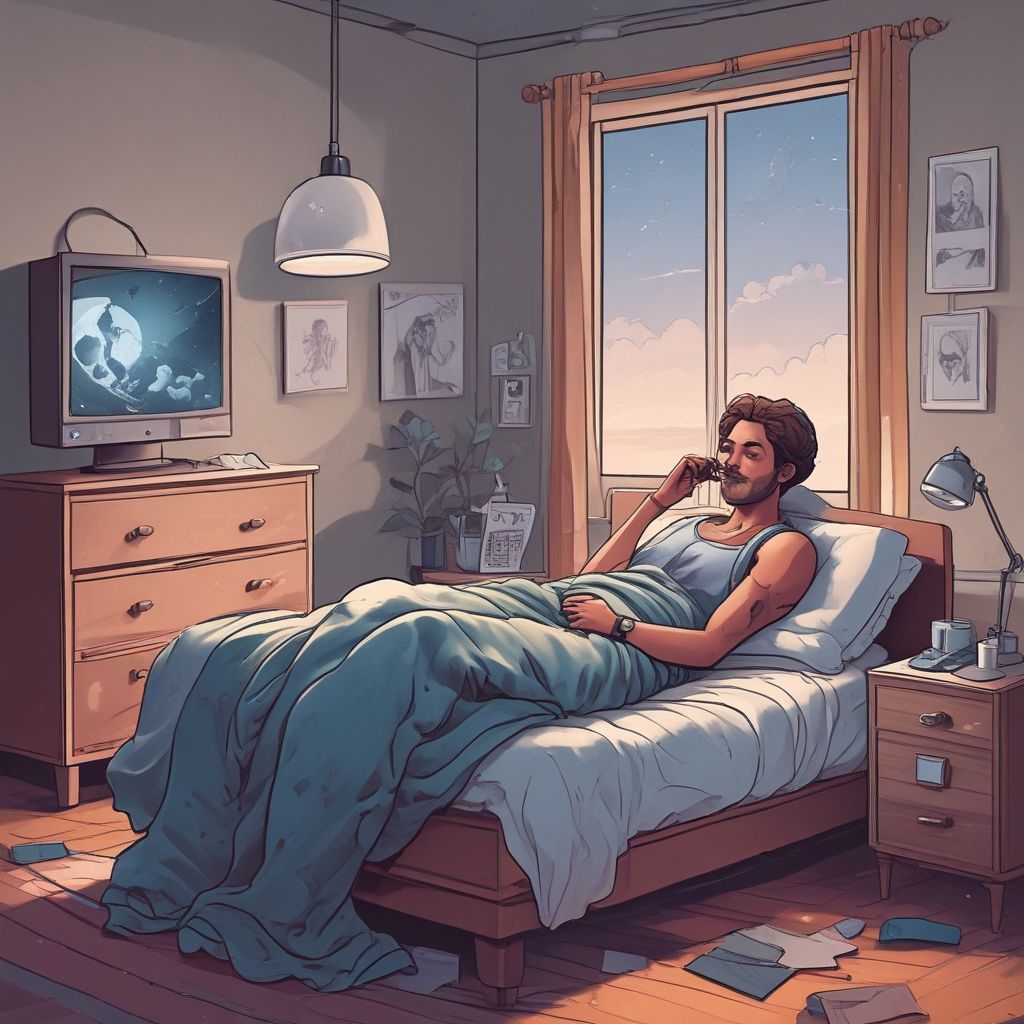
For years, diagnosing sleep apnea required expensive sleep lab visits. Patients would spend a night away from home, attached to complex equipment, often facing long wait times and high costs. Many skipped diagnosis due to inconvenience or financial barriers, allowing untreated sleep apnea to quietly damage health.
The Rise of At-Home Sleep Studies
Home sleep studies are changing the landscape. These devices allow patients to sleep in their own beds while wearing simple, wearable sensors. The data is transmitted to specialists for analysis. This approach removes geographical and financial hurdles, making diagnosis accessible to far more people.
Key Components of Home Sleep Devices
- Portable airflow sensors to detect breathing interruptions
- Pulse oximeters to monitor blood oxygen levels
- Actigraphy bands to track movement and sleep stages
How AI Analyzes Sleep Data
Artificial intelligence transforms raw data from home devices into actionable insights. Advanced algorithms examine patterns in airflow, oxygen saturation, and body movements. Machine learning models, trained on thousands of sleep studies, identify subtle anomalies that might indicate sleep apnea.
AI systems can differentiate between benign snoring and genuine breathing disruptions. They quantify apnea severity—mild, moderate, or severe—and even suggest potential treatment paths. This automation speeds up analysis, reducing specialist workload and turning days of manual review into hours.
Benefits of AI-Driven Telemedicine
The combination of at-home testing and AI analysis creates significant advantages:
- Affordability: Costs drop by up to 60% compared to traditional polysomnography.
- Accessibility: Patients in rural or underserved areas gain equal access.
- Speed: Results arrive within 24 hours, enabling faster treatment.
- Accuracy: AI reduces human error, improving diagnostic reliability.
Real-World Impact
Consider a 52-year-old teacher who experienced daytime fatigue and headaches. A home sleep study, analyzed by AI, revealed moderate obstructive sleep apnea. Within weeks, she started using a CPAP machine prescribed remotely. Her energy levels surged, and her blood pressure normalized.
Another example involves a 38-year-old software engineer working night shifts. Traditional clinics couldn’t accommodate his schedule, but a telemedicine-enabled home study provided a clear diagnosis. Custom therapy adjustments were made via a secure app, fitting seamlessly into his irregular hours.
Overcoming Skepticism
Some remain cautious about home studies compared to lab-based tests. However, ongoing research validates their accuracy. Studies show agreement rates above 90% between AI-analyzed home data and formal polysomnography for moderate to severe cases. For mild apnea, specialists still recommend occasional lab confirmation.
Building Trust in AI Diagnosis
- Continuous algorithm updates based on new research
- Hybrid models where AI flags complex cases for human review
- Transparent reporting showing data and conclusions
The Future of Sleep Apnea Care
AI and telemedicine will keep evolving. Expect:
- Smaller, more comfortable sensing devices
- Integration with smartwatches and fitness trackers
- Predictive analytics identifying risk before symptoms appear
- Personalized treatment plans adjusted in real time
Insurance coverage is expanding as evidence mounts. Many plans now reimburse home studies with AI analysis, recognizing their cost-effectiveness and patient benefits.
Empowering Patients
This shift puts control back into patients’ hands. They can test in familiar surroundings, receive immediate feedback, and start treatment without extensive bureaucracy. Education remains vital—understanding results and adhering to therapy improves outcomes.
Conclusion
AI-driven sleep apnea screening via home studies marks a quiet revolution in healthcare. It combines convenience, affordability, and precision, democratizing access to critical care. As technology advances, more lives will benefit from early detection and tailored treatment, proving that sometimes the most profound changes happen one night of sleep at a time.