The 2-Night Afterwork Escape is a compact, high-impact way for busy professionals to recharge: drive after work, start a sunset hike, sleep under the stars with a minimalist pack, and return refreshed on Sunday night. This guide walks through pre-mapped, time-efficient routes, sunset-start strategies, and minimalist packing so you can maximize time outdoors without sacrificing a Monday morning.
Why the 2-Night Afterwork Escape Works
Unlike longer backpacking trips that demand days off and extensive planning, a 2-night micro backpacking road trip fits into tight schedules while delivering the mental and physical benefits of multi-day wilderness time. Starting at sunset reduces weekday time conflicts, gives you an immediate reward—beautiful light and cooler air—and lets you set a relaxed pace for an efficient two-night itinerary.
Planning Essentials: Routes, Timing, and Logistics
Choose a pre-mapped, time-efficient route
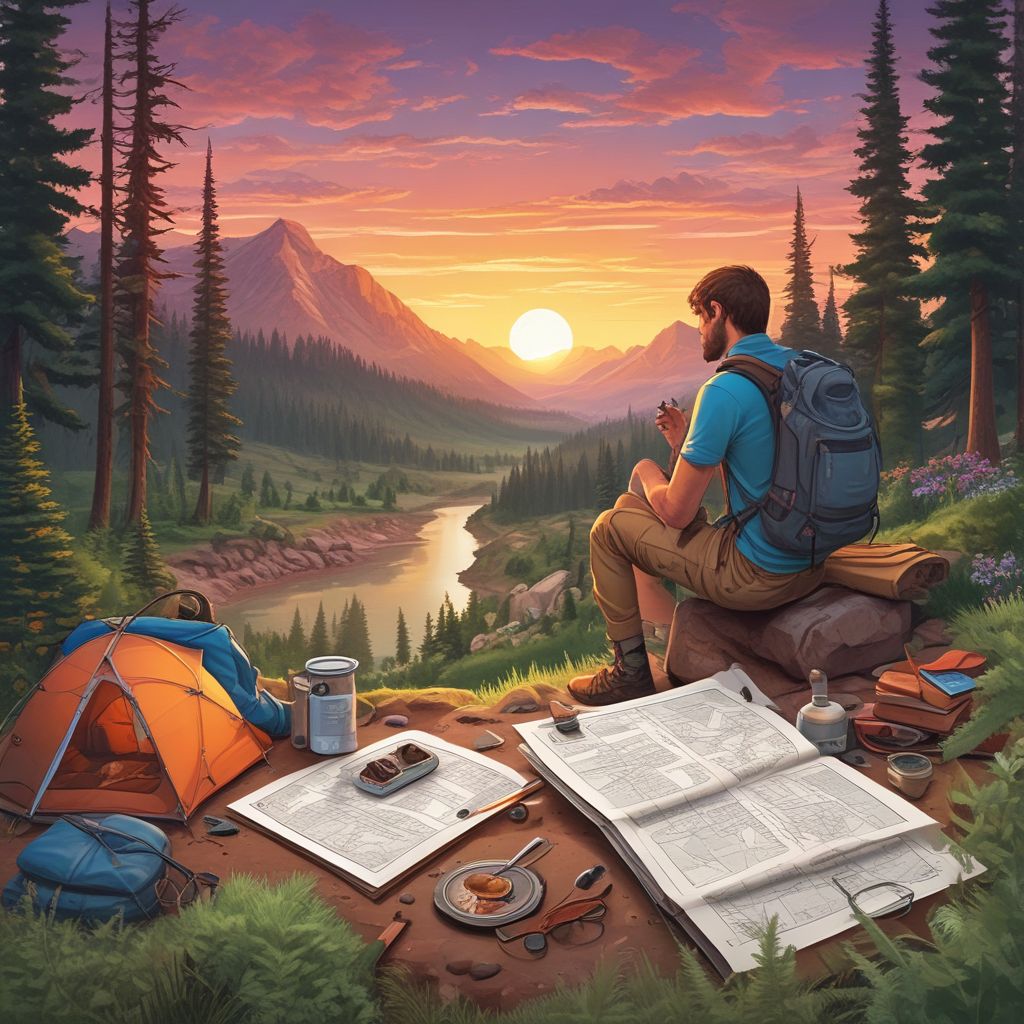
Select trails with short approaches (1–4 miles to camp), reliable water sources, and good parking near trailheads. Use online trail resources, local ranger station maps, or mapping apps with offline capabilities to pre-map routes, waypoints, and emergency exit options. Prioritize loops or out-and-back days that allow early returns if needed.
Timing and travel window
- Friday after work: Leave as soon as you can—traffic permitting—and plan your arrival at the trailhead at least 60–90 minutes before sunset.
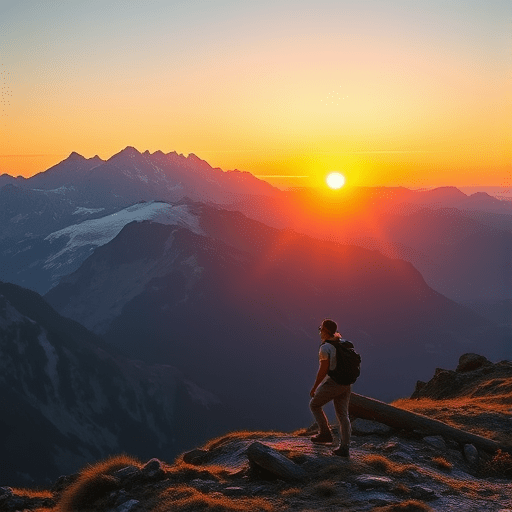
- Sunset-start hike: Aim for 1–2 hours of hiking to a scenic campsite; avoid night navigation except for short final stretches with lights.
- Saturday: Full day for a summit, ridge-line walk, or exploring nearby attractions; keep a flexible turnaround time.
- Sunday: Early morning pack-up or a short sunrise hike, exit midday to be home Sunday evening.
Sunset-Start Hikes: Practical Tips
- Scout parking and permit rules ahead of time—some trailheads require permits even for dispersed camping.
- Pack a reliable headlamp with fresh batteries for evening setup and a red-light mode to preserve night vision.
- Break the hike into manageable segments: walk at a steady pace, hydrate, and use rest points to enjoy the fading light.
- Set up camp within 30–45 minutes of arriving so you can prepare dinner and relax before it gets fully dark.
Minimalist Pack: What to Prioritize
Minimalist doesn’t mean uncomfortable—prioritize safety, warmth, and simplicity. The goal is to shave ounces while keeping essentials that make a major difference for short trips.
Core gear (must-haves)
- Lightweight backpack (20–35L) for short approaches
- 3-season sleeping bag or quilt rated to expected temps
- Ultralight shelter or hammock (tarp setups for experienced users)
- Inflatable or foam sleeping pad
- Compact stove or single-pot system & fuel (or dinner that requires no cooking)
- Headlamp, multitool, lighter, and spare batteries
- Navigation: preloaded offline map and a small compass
- First-aid kit, water filter or purification tablets, and 1–2 liters of water capacity
- Lightweight rain jacket, warm midlayer, and hat
Optional luxuries (choose based on comfort needs)
- Small camp pillow or inflatable cushion
- Portable power bank for phone and camera
- Coffee setup: instant coffee or a small pour-over
Fast Pre-Trip Checklist (30–60 Minutes Planning)
- Check weather and trail conditions; confirm no closures.
- Reserve permits and confirm trailhead parking rules.
- Pre-map route and offline waypoints; text an estimated itinerary to an emergency contact.
- Pack a weekend food plan: dinner Friday, meals for Saturday, and Sunday breakfast/lunch that are high-calorie and easy to prepare.
- Charge electronics and top up fuel for stove/car.
Sample 2-Night Itinerary
Friday (After Work)
- 5:30 PM — Leave office, quick coffee, and head to trailhead.
- 8:15 PM — Arrive, gear check, head out for a 1.5-mile sunset approach.
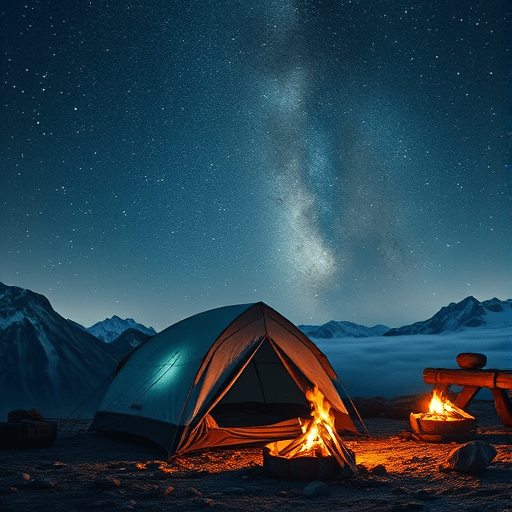
- 9:00 PM — Set camp, dinner, and stargazing; sleep early.
Saturday
- 6:00 AM — Sunrise coffee, short warm-up hike to viewpoint.
- 9:00 AM — Extended hike or loop (3–6 miles) with picnic lunch.
- 3:00 PM — Return to basecamp, relax, photograph sunset.
- 9:00 PM — Night watch, campfire if permitted, or quiet relaxation.
Sunday
- 6:30 AM — Quick sunrise walk, pack up.
- 9:30 AM — Hike out and drive home with buffer for traffic; arrive by evening.
Safety, Leave No Trace, and Time-Efficiency Tricks
- Always have a backup exit and a conservative turnaround time to avoid late-night navigation.
- Practice Leave No Trace: pack out all trash, avoid fragile vegetation, and follow local fire rules.
- Prepare zero- and low-cook meal options (freeze-dried, wraps, ready-to-eat) to save time and reduce dishes.
- Limit decisions on the road—pre-fill gas, pre-pack food, and have a single point person for route changes.
Packing Checklist (Printable)
- Backpack, shelter, sleeping bag/quilt, pad
- Headlamp (+ spare batteries), map/phone, compass
- Stove + fuel or no-cook meals, utensils
- Insulating layer + rain jacket, extra socks
- Water filter/pills, 1–2L water bottle
- First-aid kit, emergency whistle, lightweight repair kit
- Phone charger/power bank, ID, permits, cash
Making It Repeatable
Create a short template of your favorite trailheads within a 1–3 hour drive radius, and save pre-mapped GPX files and checklists on your phone. Over time you’ll build a library of tried-and-true 2-night afterwork escapes that reduce planning friction to minutes and let spontaneous adventure fit into a busy life.
Conclusion: The 2-Night Afterwork Escape delivers the restorative power of the backcountry in a schedule-friendly format—plan tightly, pack minimally, and prioritize safety to get maximum recharge from minimal time.
Ready to reclaim your weekends? Pick a nearby trail, map a sunset-start route, and book one micro backpacking escape this month.