The 100-Square-Foot Museum Tour is a fresh way to experience a city by stringing together tiny museums, shopfront galleries, and hidden cabinets of curiosity into a single, walkable route. These micro-museums—sometimes no larger than a phone booth—offer concentrated bursts of history, craft and personality that reveal local stories often missing from major institutions. This guide explains how to plan a route, what to expect at each stop, and how to leave with more than just photos.
Why micro-museums matter
Micro-museums and shopfront galleries are grassroots cultural hubs: they preserve niche collections, support emerging artists, and keep heritage alive in pedestrian-friendly slices of the city. Because they’re small, they’re low-cost to run and more experimental in curation; you’ll often find one-of-a-kind displays, artist-led installations, or neighborhood archives curated by volunteers. For curious travelers and locals alike, the compact format makes discovery easy—each stop takes minutes, not hours, and the cumulative effect is immersive.
What defines a 100-square-foot museum?
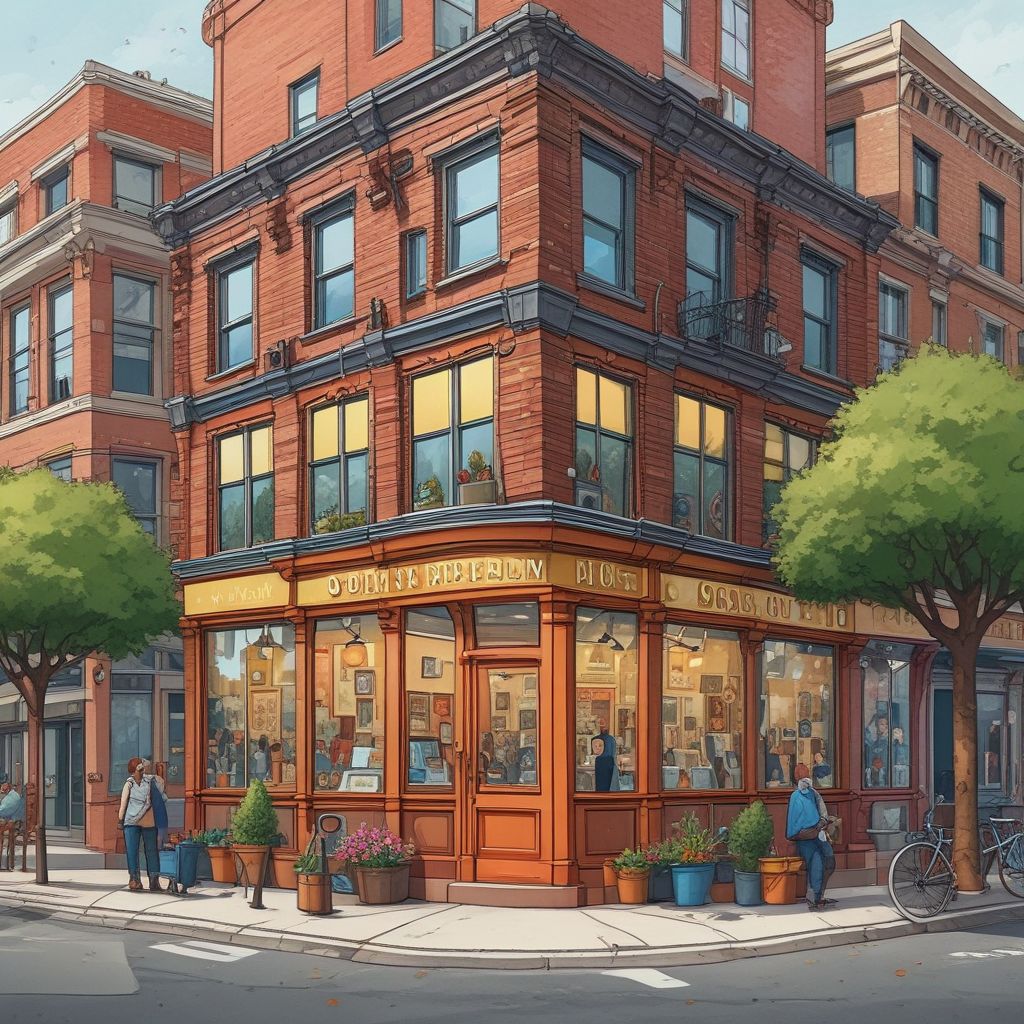
- Size: Roughly the footprint of a small storefront, phone booth, or reimagined kiosk—about 100 square feet or less.
- Focus: A tight theme or single artist, object type, or local story—examples include teacup collections, transit memorabilia, single-room artist studios, or curated window displays.
- Access: Often viewable through a window, open by appointment, or staffed by volunteers for short hours.
Planning your 100-Square-Foot Museum Tour
Start by choosing a neighborhood dense with creative uses of small space—old high streets, arts districts, and markets are ideal. Map 8–12 stops within 1–3 kilometers to keep the route walkable. Aim to spend 5–15 minutes at each stop: long enough to absorb a story, short enough to keep the momentum of a walking tour.
Tools and timing
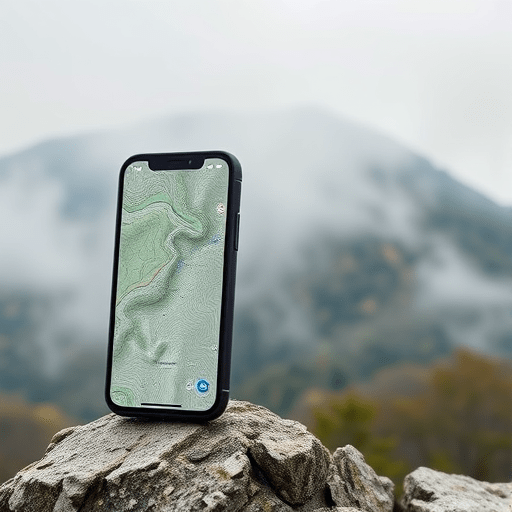
- Mapping: Use Google Maps or a custom map app (My Maps, Maps.me) to pin each micro-museum and create a loop.
- Best days: Weekends typically have more open shopfronts, but weekday mornings can be quieter and more intimate.
- Length: Expect 2–4 hours including café stops and transit between clusters.
Suggested one-day route (sample 10 stops)
This sample route is a flexible template—swap in local micro-museums and galleries in your city.
- 1. Window Cabinet of Curiosities — A shopfront window with rotating mini-exhibits and handwritten labels.
- 2. The Mini Natural History Nook — A tiny collection of regional specimens with volunteer docents.
- 3. Tramcar Memorabilia Alcove — Small room devoted to transit posters, tickets and oral histories.
- 4. Pocket Textile Studio — Micro-gallery showing local textile artists in a converted storefront.
- 5. Neon & Sign Archive — A compact display of vintage signs and neon fragments.
- 6. The Tea-Cup Museum — A joyful, single-collection museum celebrating a single object type.
- 7. Alley Herbarium — A sheltered cabinet preserving local flora and botanical sketches.
- 8. Photograph Booth Gallery — Mini darkroom prints and a window exhibit of neighborhood portraits.
- 9. Micro-Artist Residency — A live-in studio/gallery where you can chat with the artist if present.
- 10. Shopfront Archive & Community Board — A small archive of local ephemera and rotating community-led displays.
Etiquette for visiting micro-museums and shopfront galleries
- Respect opening hours—many micro-institutions rely on volunteers or owners who may close unexpectedly.
- Ask before photographing inside or when speaking to volunteers; some artifacts are fragile or private.
- Leave feedback or sign a guestbook—small operations rely on visitor engagement and goodwill.
- Support locally: buy a postcard, a zine, or a cup of coffee from the nearby café to keep the ecosystem thriving.
Practical tips and accessibility
Because many micro-museums are in historic or repurposed spaces, check accessibility in advance if you need step-free access. Wear comfortable walking shoes and dress in layers for changes in weather. Carry a lightweight notebook or use your phone to jot curator names, collection highlights, and the best finds you want to research later.
Photography and documentation
- Window displays photograph beautifully at golden hour; bring a small tripod or steady your phone on a ledge.
- Capture labels and curator notes—these details make for richer social posts or personal archives.
- Use a tour hashtag to connect with other visitors and to help the micro-museums gain visibility (e.g., #100SqFtTour).
Why this route makes a meaningful day
Walking a mapped string of micro-museums shifts the focus from blockbuster collections to intimacy and local story-telling. Each tiny space rewards attention and curiosity; together they create a mosaic portrait of community, craft and history that larger museums can miss. The 100-Square-Foot Museum Tour is, at heart, a practice in slow looking: noticing, asking, and valuing the small things that hold a city’s memory.
Whether planning a weekend wander or designing a public-programming day for visitors, this tour format is adaptable, affordable, and endlessly surprising.
Conclusion: The 100-Square-Foot Museum Tour turns a city’s smallest spaces into a layered cultural journey—perfect for explorers who prefer discovery over crowds. Ready to step out and map your own route?
Plan your route, pack comfortable shoes, and share your discoveries with the hashtag #100SqFtTour to support these tiny cultural makers.